Aryn Henning Nichols

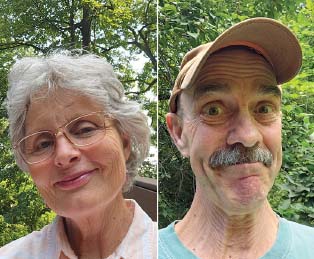
Karen and Dan Hurst

Grandma Karen and Grandpa Dan have been married for almost 50 years. They have five kids and eleven grandchildren. They were married on March 18, 1977, and have taught their family so many things about love and life and laughing. Here is an interview with the best grandparents ever. The Davis family kids (who live in La Crosse) interviewed both of them for this piece because, after all, they are inseparable. To Grandma Karen and Grandpa Dan from all of your family: We love you; you know that.

Dan and Karen Hurst

What’s the best advice anyone ever gave you?

(GK- Grandma Karen, GD- Grandpa Dan) 

GD: Never go to bed angry.  
GK: Always measure your words, because once they are out you can’t take them back. My dad told me that.  
GD: He was right, too! 

How about the worst? 

GK: My band teacher told me not to take typing because I wouldn’t be good at it. That made me feel like I was not good at it before I even started! 

GD: When your Aunt Hannah was born, someone told me, “Now you’ll need more money, and you’ll need to work more so that you can have more money in the family.”  It was not good advice because the most important thing is to be there with your kids, not the cost to pay for things. 

What did you want to be when you grew up?

The Hurst’s five kids

GK: A teacher or a nurse… and in the end, I was a teacher and a nurse because I was a mom.
GD: A job where I worked with people, not machines, and I could help them.  Maybe a counselor.
GK: And in the end, he did because he was a counselor to five kids… 
GD: And to Grandma Karen, too. 

If you were stranded on a desert island, what three things would you want with you?

GD: My Bible, a solar powered recording of my favorite music, and Grandma.

GK: My Bible, my glasses because I can’t hear anything without my glasses on, pictures of my family. Henrietta: Maybe you guys could share a Bible…?

Try to describe the other person in one sentence.

GK: Grandpa is a wise, compassionate, comforting, strong, helpful partner.

GD: I read a line from Emily Dickinson yesterday and I said, “Grandma, this sounds just like you.” She said to herself, “I am small, like the wren, and my hair is bold, like the chestnut bur, and my eyes are like the sherry in the glass that the guest leaves.” That is your Grandma.

If you could eat anything every day for the rest of your life, what would it be? 

GK: POPCORN!
GD: A New York strip.

Name one thing you could not live without. 

GK: Grandpa. Actually… popcorn.
GD: Oxygen. On a more serious note…coffee.

Tell us about your wedding day.

GD: The day of our wedding, my boss called me and said they had a person call in sick and asked if I could come in, to which I said, “I don’t know if you remember but I am getting married today.”

GK: We had a blizzard the night before and I was worried that no one could come. I got my hair done and my dress on and then we went out and everything was white and beautiful. The snow had melted on the sidewalks, and everyone was there.

GD: We pulled away from the church in a black and gold 1977 Pontiac Firebird and we listened to the song, Fly like an Eagle by the Steve Miller Band

Advice to your kids and grandkids.

GK: Be strong in your convictions, trust in the Lord, and be kind to others.

GD: Honor your mother and father and when you have questions on whether something is right or wrong, you go and you talk to your mom and dad. Always honor your mom and dad.  
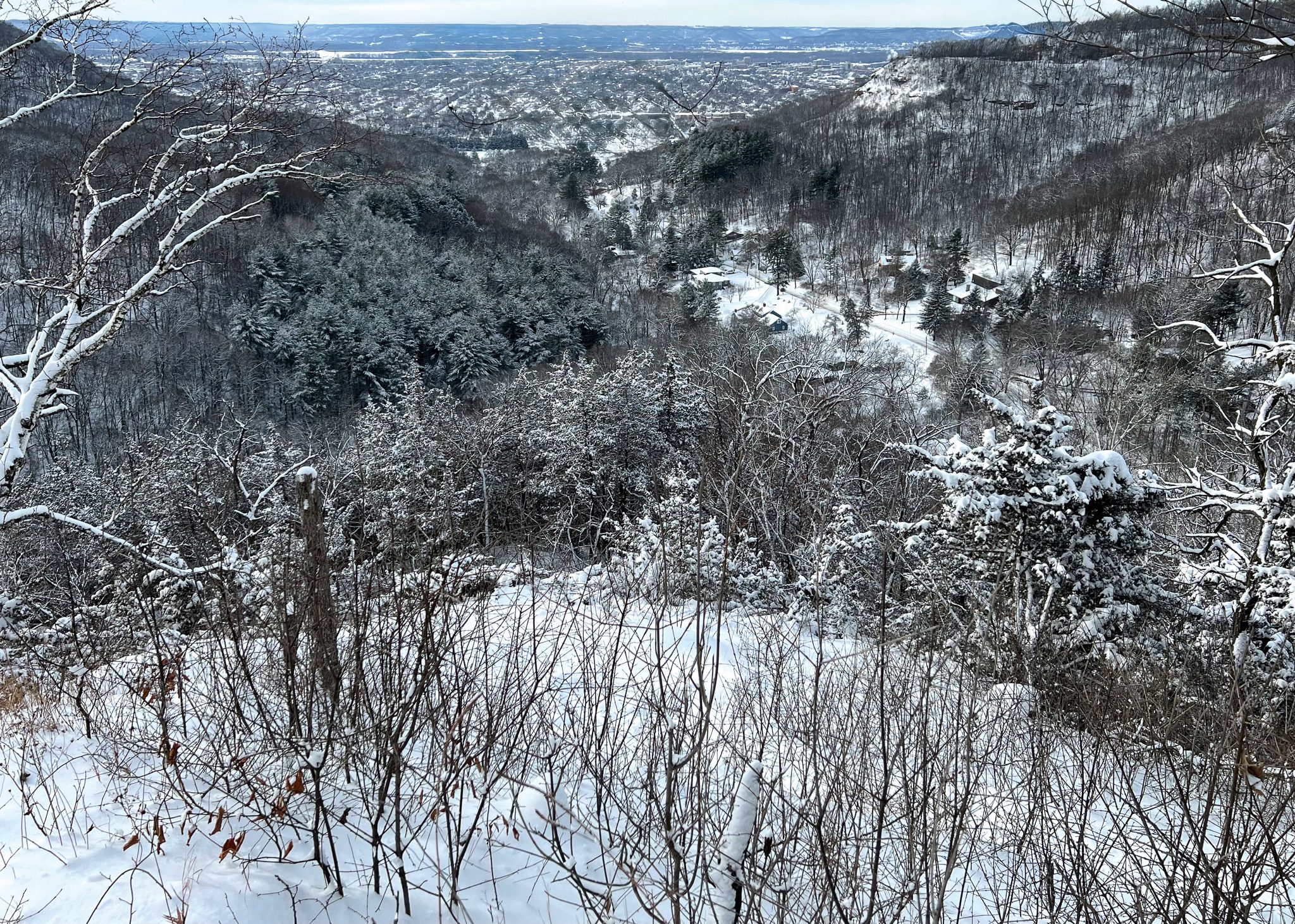
The Wonders of Winter Hiking

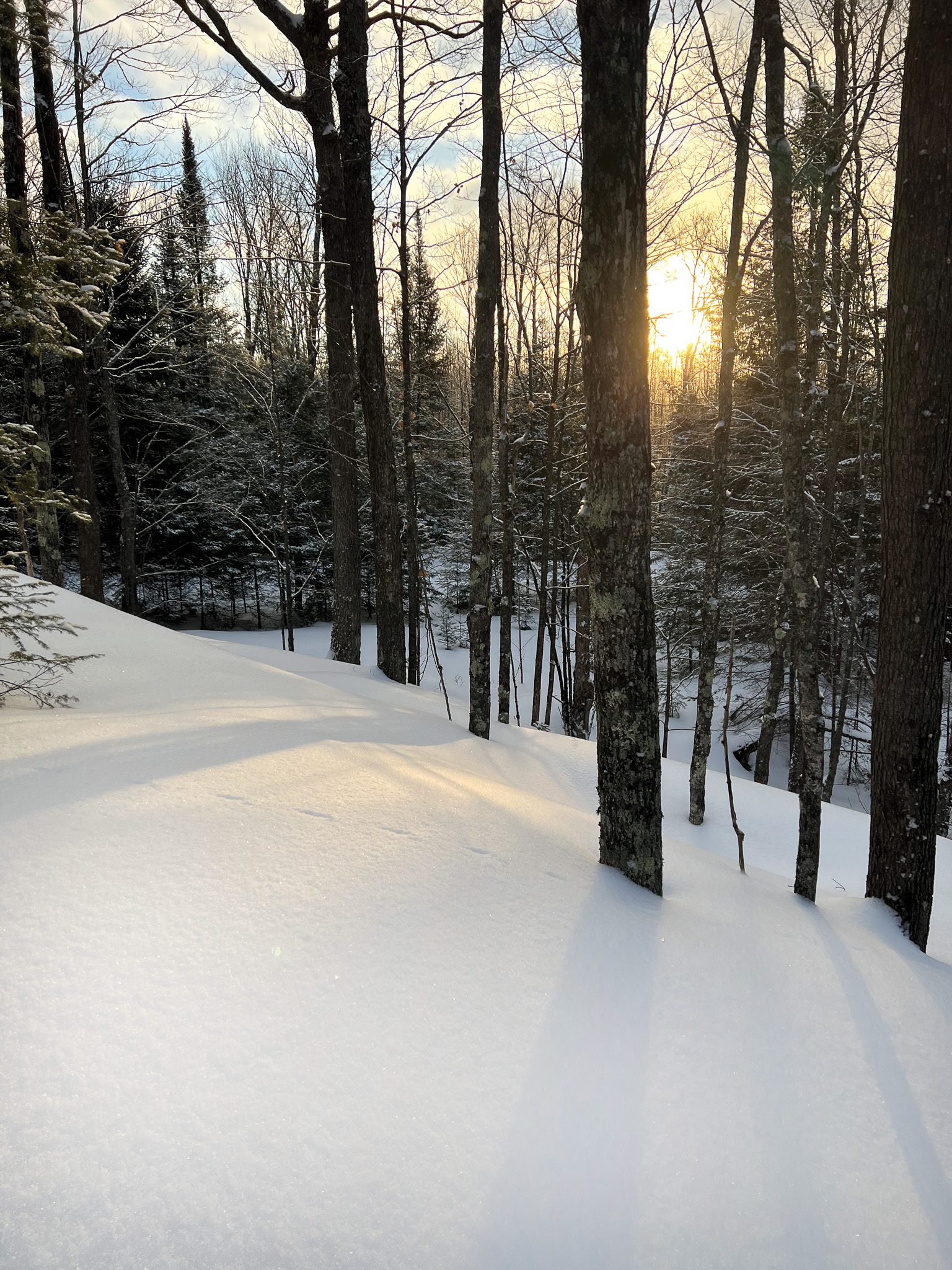
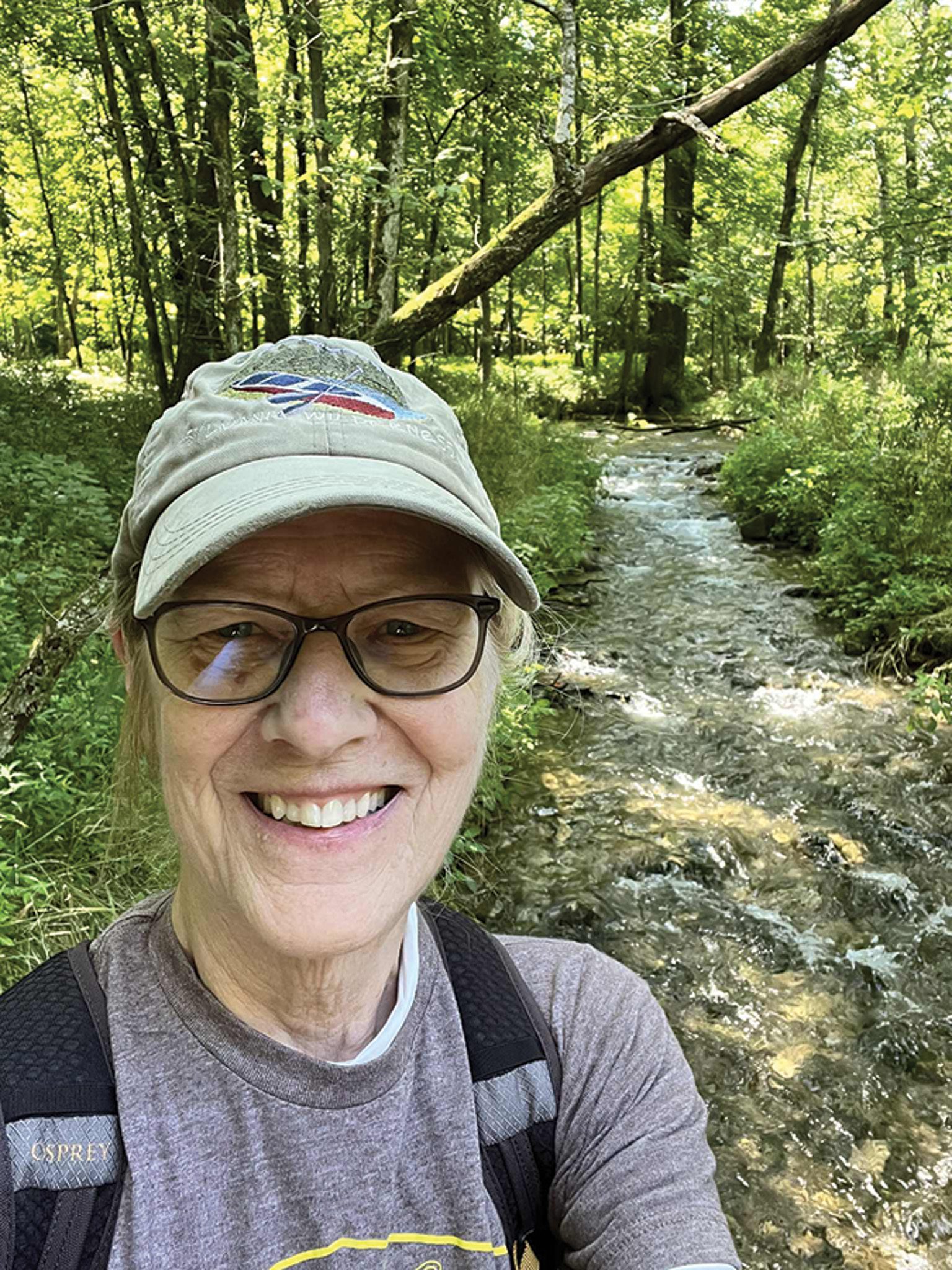
Writer Marge Loch-Wouters loves the scenery of winter hiking. / Photo courtesy Marge Loch-Wouters

Marge Loch-Wouters is a Minnesota Master Naturalist whose passion is the outdoors and hiking in the Driftless region. Her blog, Hiking the Driftless Trails, publishes trail reviews, gear and safety tips, suggested seasonal hikes, essays on nature, and observations of insect, plant, and animal life. Her goal is to ensure everyone can enjoy the wonder of hiking in the Driftless, no matter one’s age or physical condition.

Brrr…it’s cold outside! That means it’s time to get out the snowshoes, the skis, and the hiking boots. Wait, hiking boots?!?

Absolutely! With the right gear and some planning, the winter months can be a wonderful time for hiking. While flora, fauna, and fungi are tucked away, bare trees open up views of vistas and geological features often hidden in leafier seasons. Brush dies back, making previously overgrown, lesser-used trails easier to explore. And, uh, no bugs.

Indeed, this season provides a whole new world of hiking experiences and choices. There are four main components to a successful winter hike: finding the right hike for the weather, wearing the right layers, having the right gear, and dealing with thawing trails.

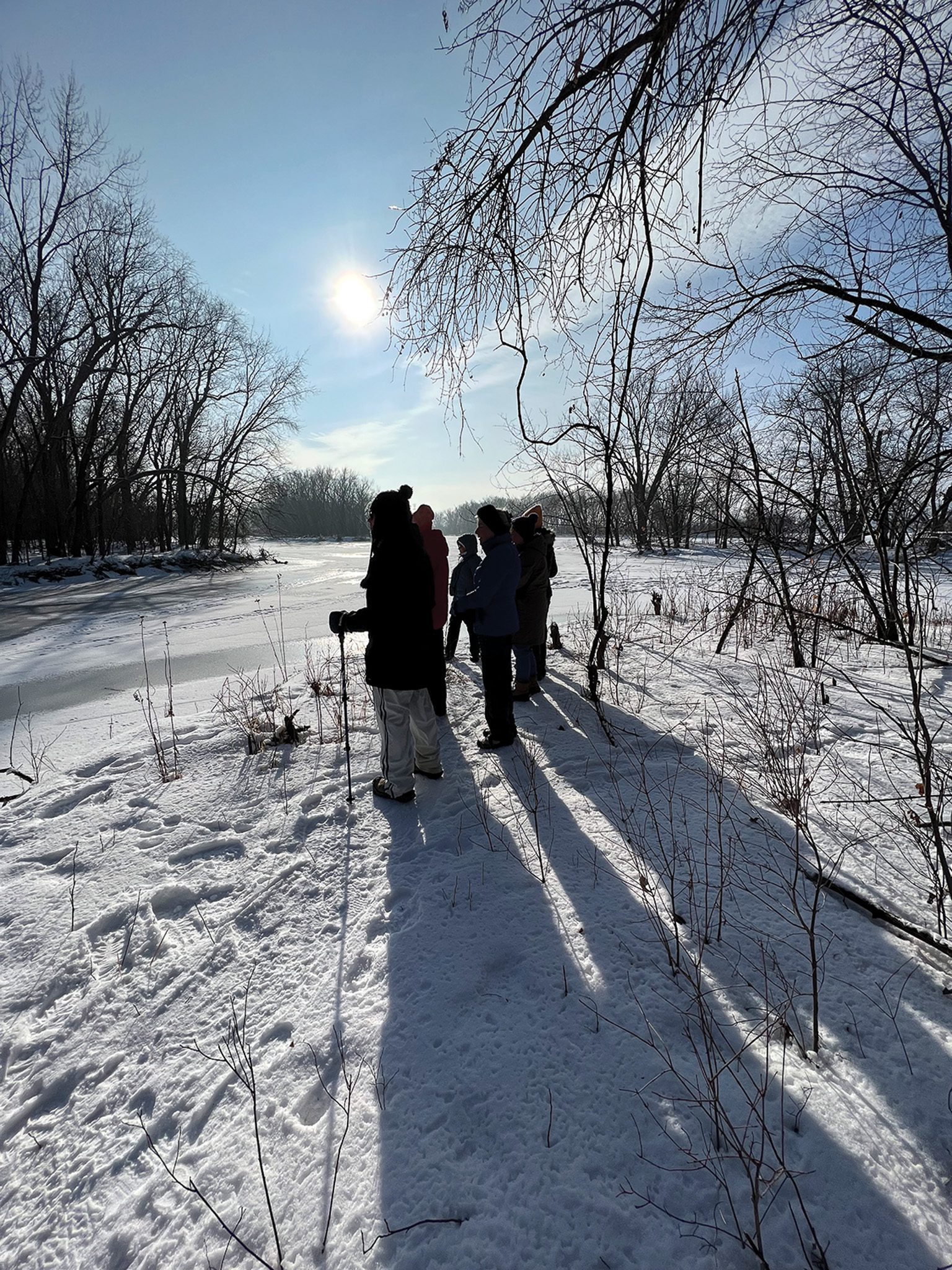
Marge encourages folks to get out on the trails, no matter the weather or your age. / Photo courtesy Marge Loch-Wouters

Planning for Winter Hikes

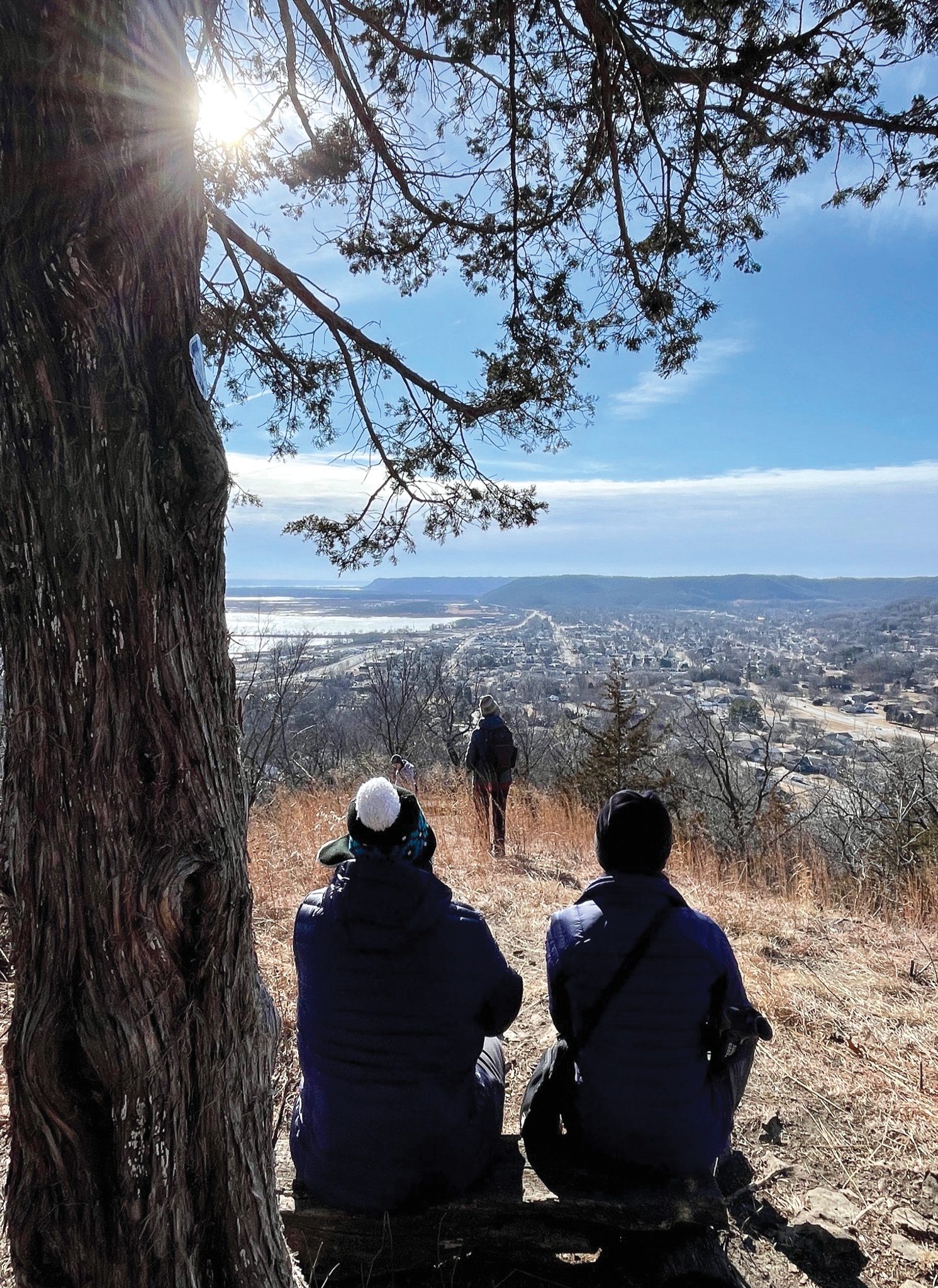
To begin your winter hiking, choose start times in the “heat” of the day. Look for trails that have views of the river, interesting rock formations, nearby bluffs, or deer trails to explore. On a windy day, try coniferous forests or bluffside hikes that take you below the rims to gain protection. If you have a sunny day with little wind, choose a blufftop and enjoy the vistas.

If you are hiking in snow on shared trails, remember trail etiquette. Avoid freshly groomed trails used for cross-country skiing or winter biking. Stay to the right or left of the groomed trail. When crossing ski or bike tracks, lift your feet (or snowshoes) high to avoid disturbing them – it’s a helpful art to learn, and winter adventurers will thank you!

Layers

The key to comfort while hiking is dryness, lightness, and breathability in your clothes and outerwear. Choose light wool or synthetics for your base layer that help wick away moisture. Add an additional shirt and light/heavy sweater on top of that layer, depending on the temperature.

For outer layers, think light and wind/water resistant. You don’t need bulky pants, jackets, or vests if you have the right base and mid layers. This allows for more freedom of movement as you hike.

A neck gaiter or balaclava is a versatile way to protect your neck and lower face. If it’s a windy day, consider using a protective lotion or Vaseline on exposed skin. Wear a warm hat (or ear-warmer, if you run hot). Hiking with a small backpack lets you add/subtract layers as you hike.

Great gear can make for a great hike. / Photo courtesy Marge Loch-Wouters

Gear

Look for waterproof, insulated hiking boots like my favorites – Merrells’ Thermo Kiruna 2 Waterproof boots – that keep your feet warm but are still light and flexible.

A great purchase that can really open the world of winter hiking is a set of microspikes for traction. They slip on over boots, providing stability and grip on icy or slippery snow surfaces. Ice cleats and ice walkers are a less expensive alternative.

If you are hiking during hunting seasons, wear blaze orange – hat, vest, jacket – so you can be easily seen.

Winter Thaws

We have been experiencing more frequent periods of winter thaws. This means more freeze-thaw cycles on trails. Boot prints that are left on muddy, thawing trails contribute to erosion and trail degradation. If you are leaving boot prints on a thawed trail, please turn back. Instead, temporarily hike trails that are paved, gravel, or grassy until the ground firms up again.

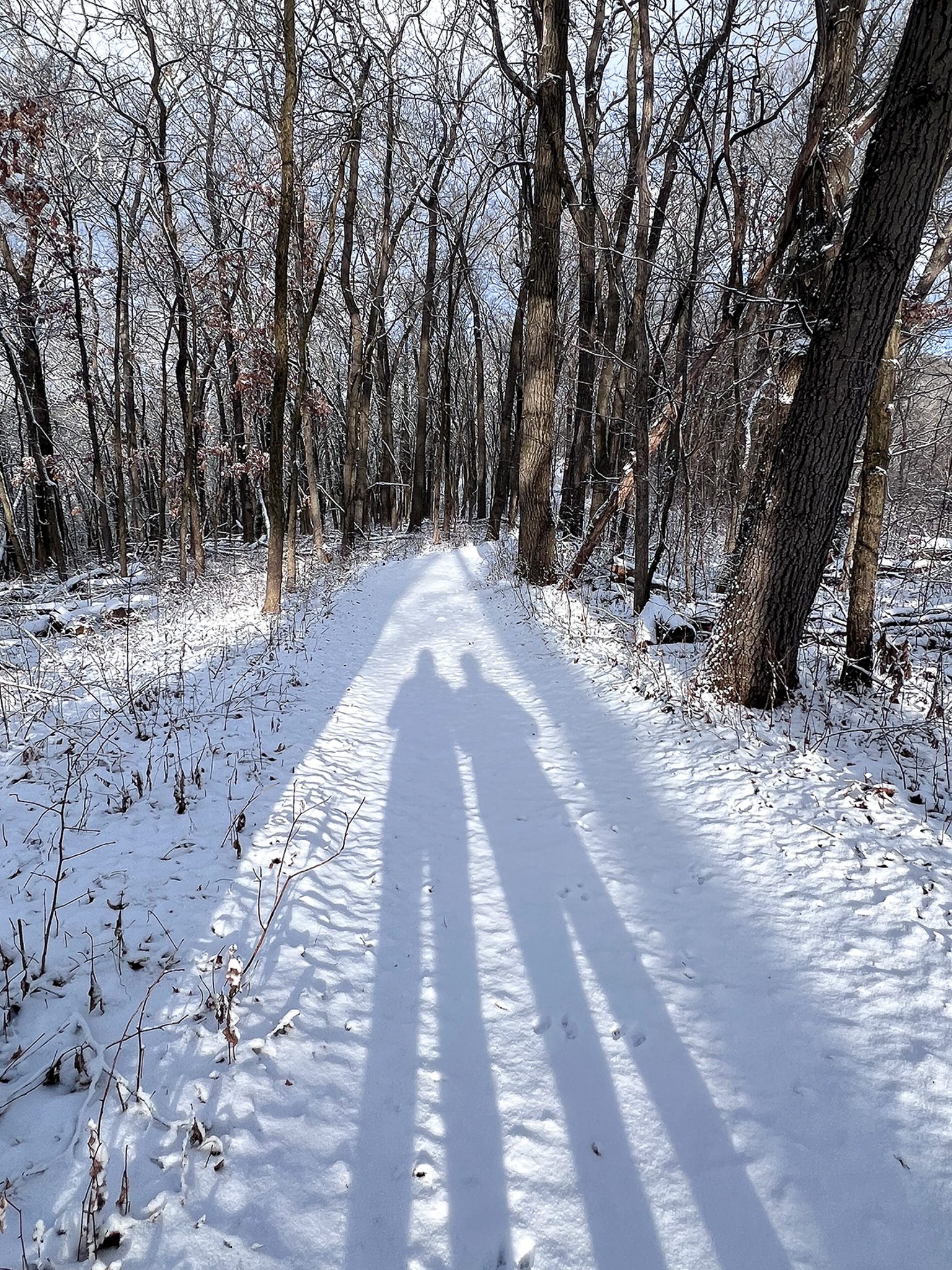
Be mindful of trail conditions before heading out. / Photo courtesy Marge Loch-Wouters

Check out a few Driftless winter hiking trails:

Yellow River Forest – Luster Heights Unit (IA) Relatively flat area with some rolling hills and magnificent views of the Mississippi River. Spectacular rocks too! 5 miles south of Harper’s Ferry, turn left off IA Hwy 364 onto Luster Height Road. Parking lot is one mile in on the left. GPS: 43.136979, -91.187074

Great River Bluffs State Park (MN) – Many iconic overlooks on forested trails. Some steep and rolling spots on south trails, so cool weather is your friend. 43605 Kipp Dr, Winona, MN 

Upper Hixon Forest Trails (WI)Bluffside trails below the rim offer great wind protection and wide views in winter’s “see-through” season. N2788 County Road FA – La Crosse, WI

Reno Quarry (MN)Head up the short quarry trail for expansive Mississippi River views. Then head down and north for incredible sandstone rock formations on the bluffs edge. 7.6 miles north of New Albin, Iowa, turn left at Reno Recreation Area sign (Hillside Rd). Go 1.4 miles to small parking lot on right. GPS: 43.61773, -91.27451

Beaver Creek Valley State Park (MN) – The rim trails are full of dramatic rocks; also beautiful is the trail that runs on either side of the trout stream. With leaves down, the rocks and narrow valley walls are breathtaking. 15954 County
Rd 1, Caledonia, MN  See you on the winter trails!

Marge Loch-Wouters


Marge Loch-Wouters is a Minnesota Master Naturalist living in La Crescent. Her Hiking the Driftless Trails blog encourages everyone to head out on the trails, no matter your age or physical condition.

The Driftless: A Geologic Doughnut Hole

During the last ice age – 20,000 years ago give or take a few years – the ebb and flow of glaciers forever changed the complexion of the Upper Midwest. The sheer weight of the mammoth ice sheets, some up to a mile thick, literally ground off underlying layers of bedrock as they crawled across the country.  

As the climate warmed and the ice sheets retreated for the last time, they left enormous deposits of glacial drift (unconsolidated silt, sand, gravel, and boulders) in their slow-motion wake. The result was a gently rolling topography extending from Canada to southern Illinois. There was, however, an area in Wisconsin, Minnesota, Iowa, and Illinois that remained untouched by the glaciers, a geologic doughnut hole as it were, in an otherwise reconstituted landscape. For reasons unknown to geologists, the region – most commonly called the Driftless Area, but alternatively known as bluff country, the coulee region, or the Ocooch Mountains – retained its signature rocky features, free of glacial drift.

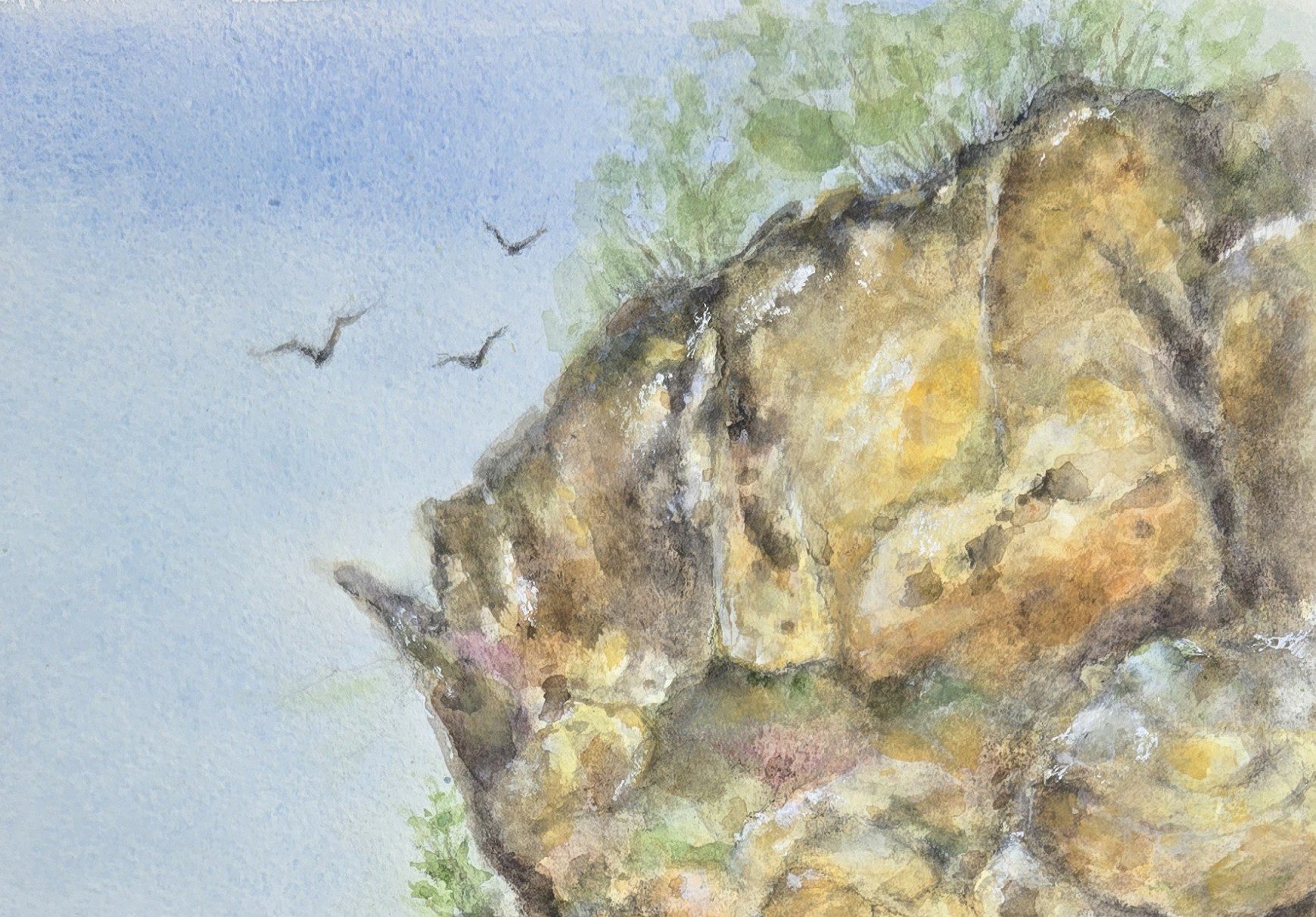
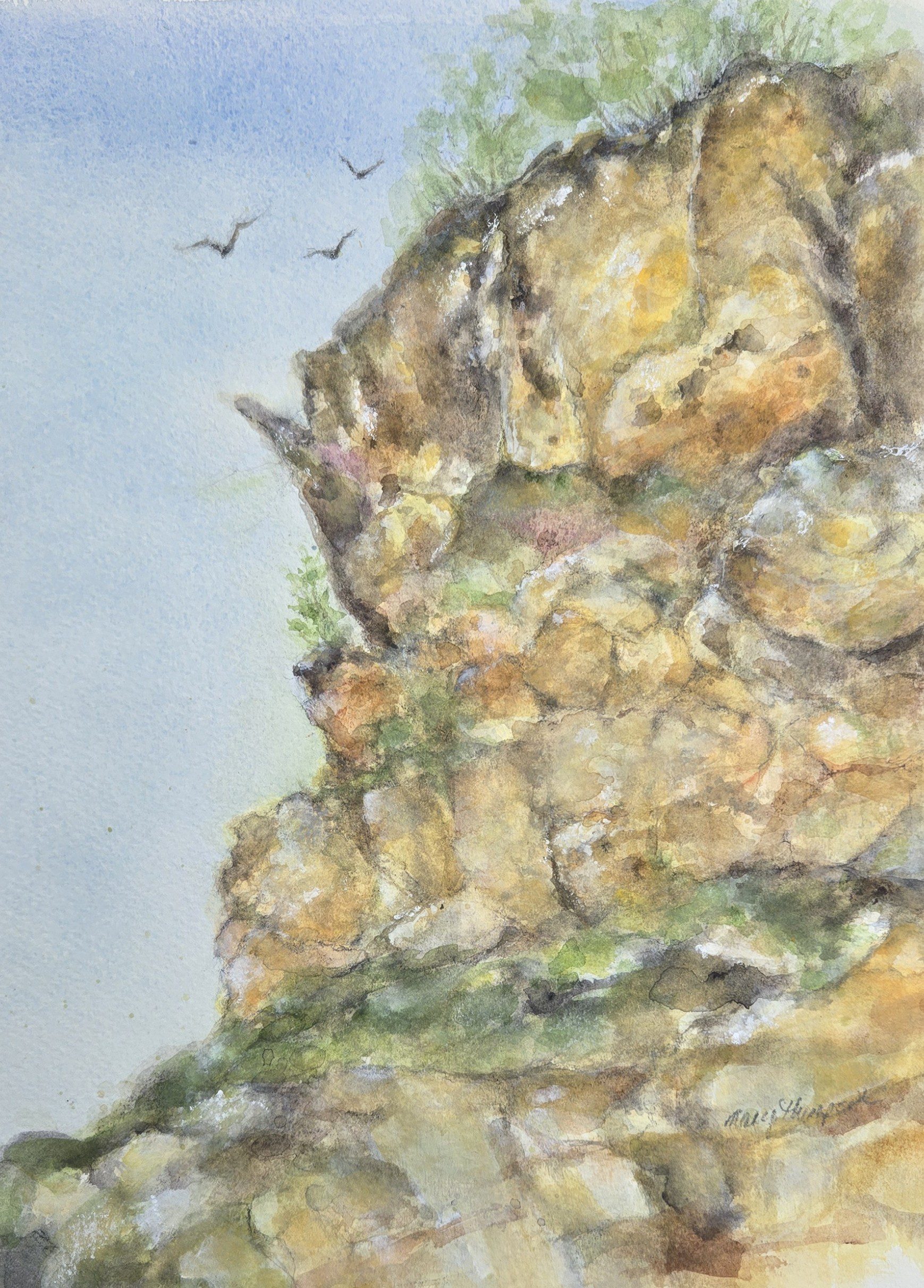
Artwork by Mary Thompson

A bird’s eye view of the “Driftless” during summer reveals a landscape resembling a rumpled throw rug, verdant corrugations extending as far as the eye can see. In late autumn, after the final bursts of color fall to the forest floor, the geologic underpinnings are manifest. Come winter, the uneven landscape emerges in stark relief, showing off the unique topography and gorgeous vistas under a veneer of snow (if we’re lucky).

Gin-clear streams trickle from the highest reaches of deeply incised valleys, coalescing into creeks and ultimately rivers that feed the Mississippi River. Flaxen prairies perched on impossibly steep bluffs wave in contrast to leafless oaks and hickories standing sentry nearby. Dense patches of red cedar, blue-green during the growing season, turn reddish-bronze with the onset of cold weather, punctuating bark-gray blufflands with color and texture. Rocky bluffs towering hundreds of feet over the mighty Mississippi reflect cold sunlight, revealing previously concealed crags, fissures, and caves.

Driftless ruggedness is a testament to the powerful erosional effects of water flowing over millions of years, cutting through sedimentary rocks formed during the Paleozoic Era, well before dinosaurs thundered across Mesozoic plains. Eighteenth century French fur traders coined the term coulee region (a derivation of the French verb couler – “to run like a river”) in recognition of the landscape’s abundant, flowing surface waters.

Below the surface, fractured limestone bedrock facilitated formation of caves, sinkholes, disappearing streams, and cold-water springs. Karst geology, known simply as karst in scientific shorthand, is a defining feature of the Driftless Area. Karst gives rise to an abundance of cold-water streams that in turn support a world class Driftless trout fishery. It also supports a rare, fragile ecosystem known as an algific talus slope.  Algific refers to cold producing, while a talus slope is a jumble of rocks at the base of a bluff.  

In rare instances, Karst derived ice caves and fissures vent cold air through talus slopes, creating perpetually cool microclimates. The associated microhabitat supports plants and animals that found refuge in the Driftless Area during repeated glacial episodes. Today, species like the Iowa Pleistocene snail and northern monkshood, a rare member of the buttercup family, are considered “glacial relicts,” providing a living record of Pleistocene ecosystems and serving as bellwethers for climate change. 

There is no place on Earth like the Driftless. Its weathered beauty inspires awe, wonder, and a reverence for the land, and winter provides a wonderful opportunity to take it all in. Thank goodness the glaciers missed us. 

Mary and Craig Thompson


Mary and Craig Thompson live at the base of a dolomite bluff in western Wisconsin. They don’t take Driftless geology for granite.

Secret Link