Aryn Henning Nichols

Kathleen Jensen + The Little Heart Project

In stores, parks, and restaurants all over the world, little hearts – smaller than the palm of your hand – are spreading positivity. Crocheted with love in all sorts of colors, the hearts are affixed with tags sending messages of hope and light to all who encounter them. 

These tiny reminders of good are made through The Little Heart Project (TLHP). The project’s creator, Kathleen Jensen, says they’re a “soft entry point” to making a difference in the world.
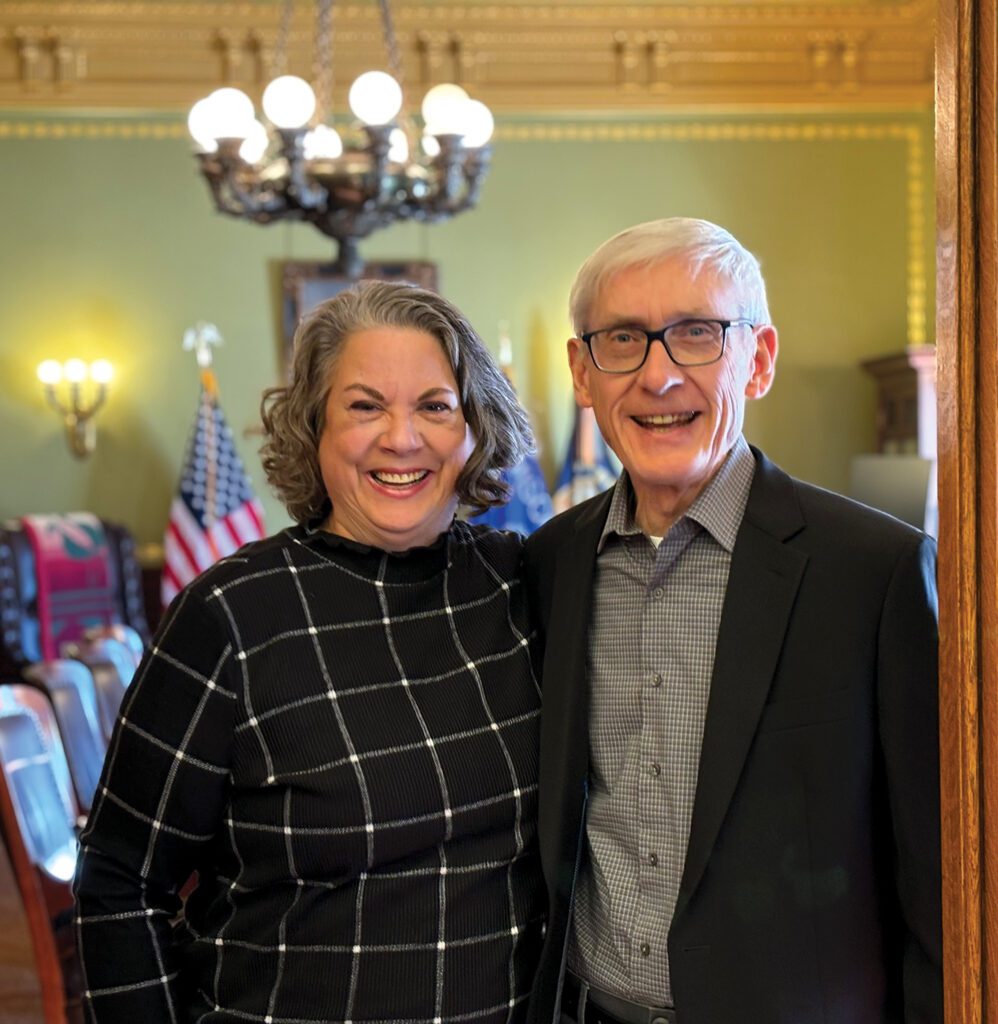
Kathleen Jensen with Wisconsin Governor Tony Evers
Kathleen Jensen with Wisconsin Governor Tony Evers / Photo courtesy Kathleen Jensen

“At a base level, it is a random act of kindness,” explains Kathleen. But the larger mission of TLHP goes deeper. “We are trying to reduce the stigma around mental health and hopefully prevent suicides.”

This mission statement, “Preventing suicide one heart at a time through serendipitous words of encouragement,” is near to Kathleen’s own heart, as she herself was suicidal every day for eight years. The idea came out of a conversation with her therapist, who knew Kathleen enjoyed crocheting and making art, and mentioned a similar project in Texas, suggesting it might be something Kathleen would enjoy doing in her own community of Onalaska, Wisconsin. 

She had no idea that, now, almost three years later, TLHP would reach people all over the world. But that is exactly what happened. TLHP hearts have been found in 35 states as well as Canada, Central America, Europe, India, and Africa. 

Although she still faces her own mental health challenges, The Little Heart Project has given Kathleen something incredible. “I found my people,” she shares. “What a beautiful, beautiful gift. For so long I lived in a very, very dark world – alone, isolated, very sick. And when I started doing this, I met the most incredible people who want to make this world good.” 

The success of TLHP is one example of how social media can create positivity in the world. Communities of Facebook crochet groups rapidly spread the word about the project. Soon there was a website (thelittleheartproject.org) and social media accounts, and hearts being distributed near and far. 
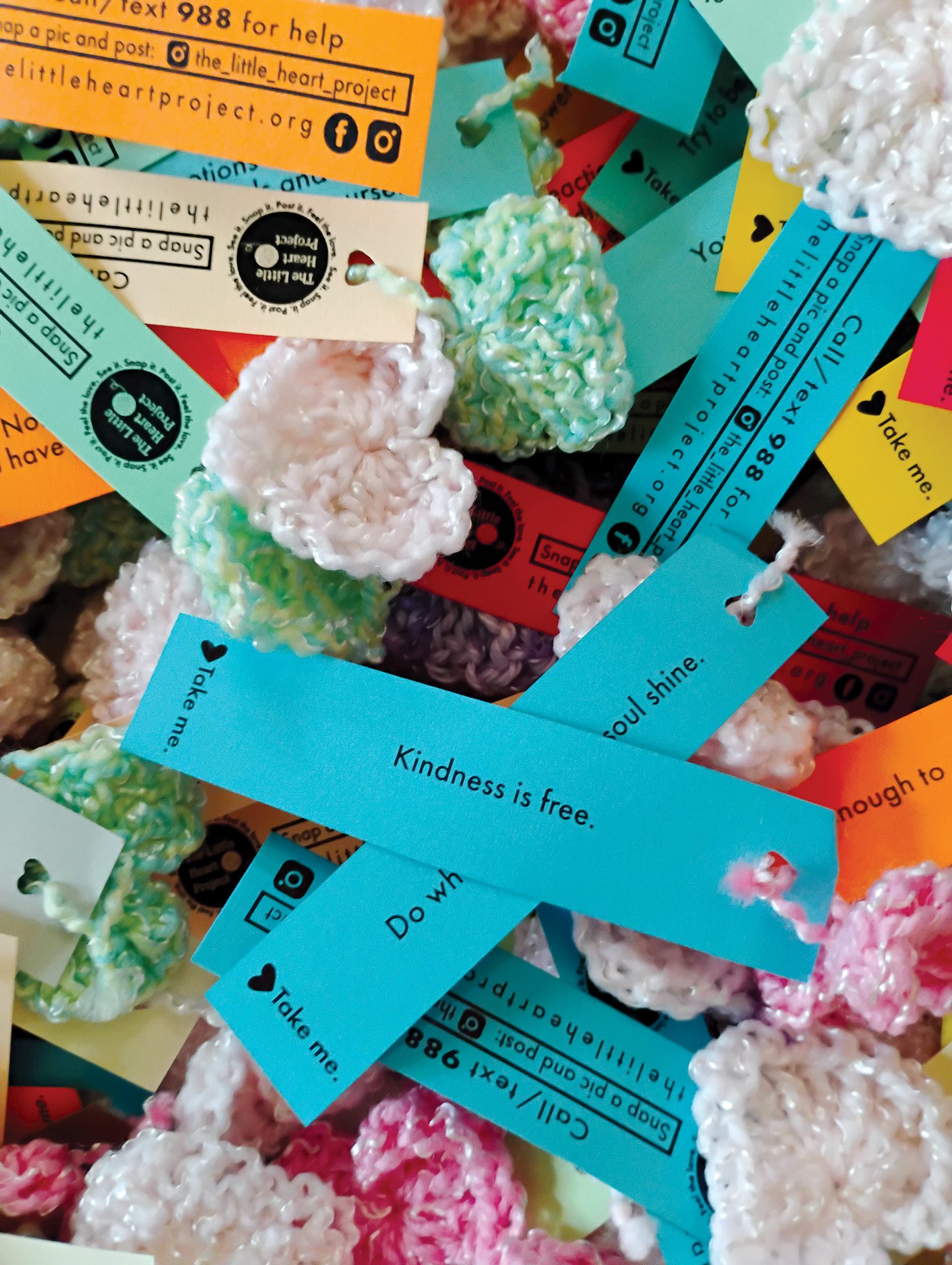
A large pile of little hearts made through Kathleen Jensen’s The Little Heart Project
At least 88,000 hearts have made their way out of Kathleen Jensen’s own door through The Little Heart Project. / Photo courtesy Kathleen Jensen

Kathleen utilizes local groups for help, too. “I have some very faithful crocheters in the La Crosse area who make the hearts for us,” says Kathleen. Students at UW-La Crosse, Viterbo, and Western Technical College have also chipped in, crocheting hearts or tying on inspiring tags. And Kathleen shares the heart template on her website so others can easily contribute as well. It takes only three yards of yarn and, once you know how to do it, less than three minutes to make a heart. Those who help aren’t required to track their inventory, so it’s hard to say how many hearts, in total, have been made since TLHP started. Kathleen does know, though, that 88,000 hearts (and more every day) have made their way out the door of her own home and into the community. 

“I’ve found that people who have lost a loved one to suicide desperately want to do something to help prevent this happening to the next family,” she says. “TLHP has become part of so many people’s healing journey.” She finds it fulfills a need to do something tangible during grief. Plus, there’s no wrong way to participate. “You can leave the hearts anywhere you go. There’s no wrong way to do this,” says Kathleen.

This assistance keeps TLHP going, but it also facilitates important discussions and opportunities for the community to talk about suicide. Kathleen’s position as The Little Heart Project founder has enabled her to speak publicly about suicide in an effort to reduce the shame and stigma around suicide and build support for the project.

“When I first started, I had no intention of speaking to anyone ever about this,” she says. “But when people are brave enough to talk about their mental illness, that lets other people know it’s safe to do the same thing.” From the first time she spoke, Kathleen has seen the benefit of sharing her words and her heart. After speaking to a group at Viterbo, a young lady pulled her aside. “She said, ‘I just wanted to tell you that last night I almost killed myself.’ And she pulls up her sleeves to show me dozens of fresh cuts up and down both arms. And then she said, ‘Being here today and listening to your story, being able to talk to you, I feel better.’” 
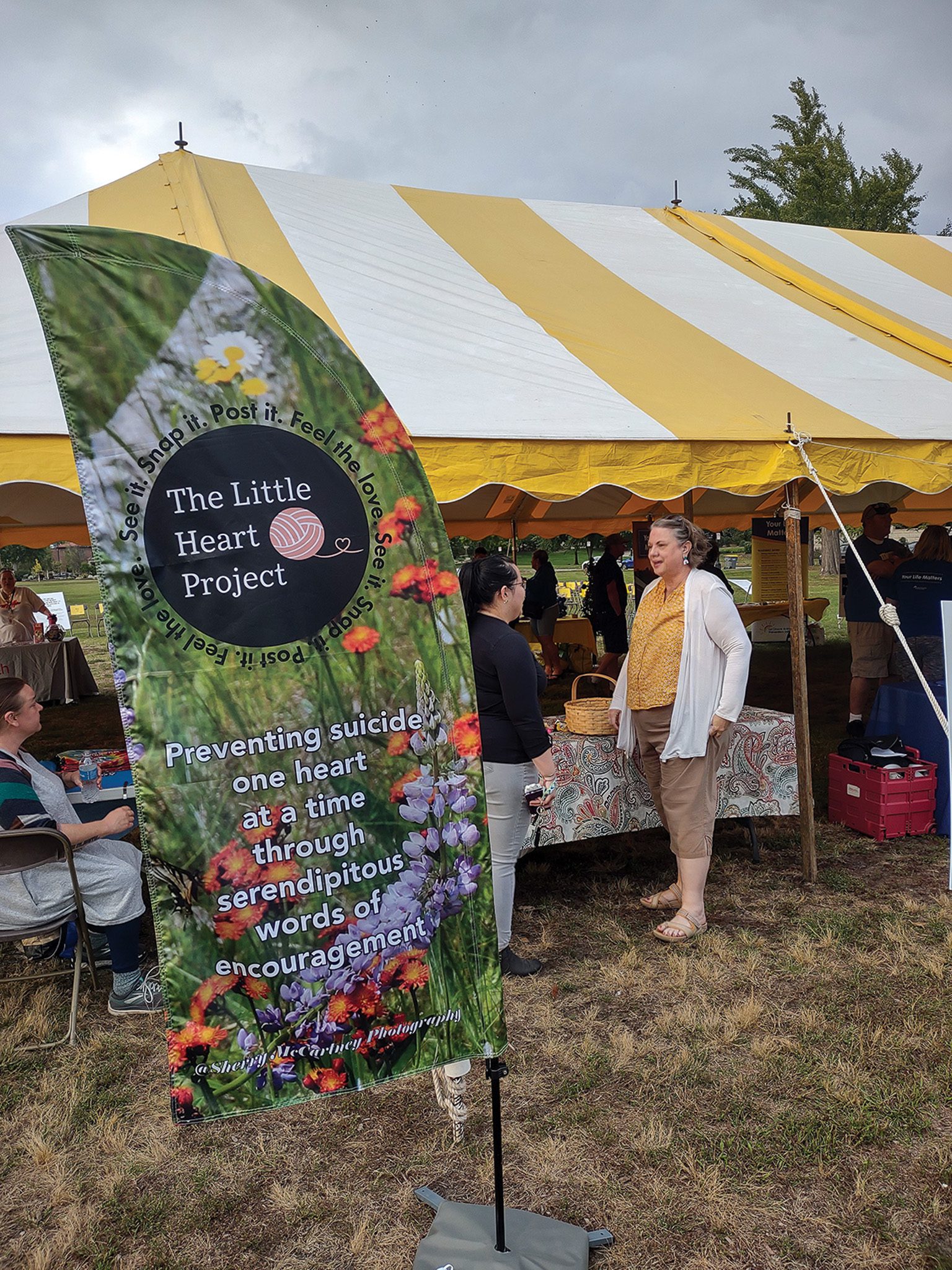
Kathleen Jensen speaks publicly about suicide through The Little Heart Project
Kathleen speaks publicly about suicide in an effort to reduce the shame and stigma around suicide. / Photo courtesy Kathleen Jensen

Kathleen has folks lining up to share similar stories after each of her speaking engagements. “My degree is in marketing. It’s not like I’m trained in any of this to be able to hear these really, really sad stories,” she says. She holds space for this, though, because she sees the positive impact it has on herself and others.

“It’s helping to take away the shame. Suicide is not a shameful thing. The people that die by suicide, it’s a very dark, lonely place where there is no hope, and you can’t envision there ever being any.” One way she addresses this is to encourage people to say, “died by suicide” rather than “committed suicide.” She explains, “People commit a crime, people commit adultery. People who die by suicide are not criminals. They’re sick.” She also works tirelessly to convey the messages that “talking about suicide does not cause suicide. Hopelessness causes suicide.”

Kathleen has a full-time job, in addition to the time and energy she puts into The Little Heart Project. It is truly a labor of love, fueled by donations and volunteers and the kindness of strangers. She is grateful for everyone who contributes – whether by putting hearts out in their businesses, assisting with TLHP’s web presence, or giving the project exposure at events. 

Requests flood Kathleen’s inbox, often the effect of one person seeing a heart and looking for a way to get involved. She recently fielded an email request for hearts from a director of disaster relief, looking to support those devastated by the hurricanes that hit North Caroline and Tennessee in the fall of 2024. The Little Heart Project sent out 600 hearts. “How do we help those people who now have nothing?” asks Kathleen. “These hearts aren’t going to fix anything, but it will let people know that other people are thinking of them.” 
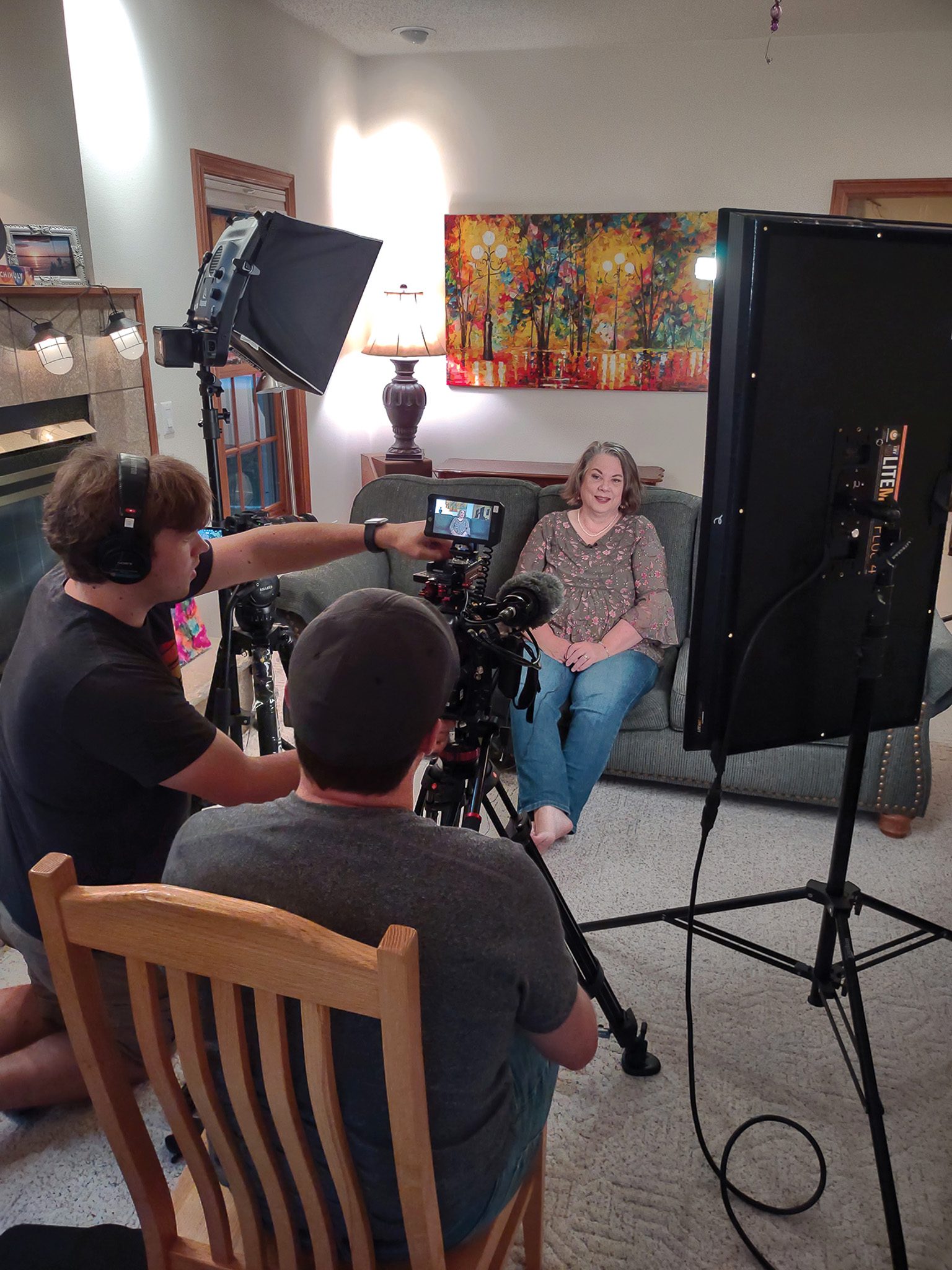
Kathleen Jensen and The Little Heart Project will be featured on PBS Wisconsin’s show, “Wisconsin Life.”
Kathleen and The Little Heart Project will be featured on PBS Wisconsin’s show, “Wisconsin Life,” airing January 2, 2025, at 7 pm. / Photo courtesy Kathleen Jensen

Positive momentum continues to build. Kathleen had the opportunity to share her mission through PBS Wisconsin’s show, “Wisconsin Life.” The episode featuring Kathleen and TLHP airs January 2, 2025, at 7 pm. She was nominated for the Hometown Hero award by Wisconsin State Representative, Steve Doyle, and the Hometown Hero committee in Madison selected her. This gave her the opportunity to speak about her work to the entire assembly. Governor Tony Evers got word and invited her to chat about TLHP and mental health in the state, as well.

 “It does take a lot of courage to stand up in front of a group of people and talk about all of this, but I know it helps. I have two-and-a-half years of proof. I know now it helps and that’s what I’m going to do – help people.” 
Headshot of Sara Walters

Sara Walters

Sara Walters is a mom and a writer. She has been an Inspire(d) contributor since 2018.


Learn more
Find The Little Heart Project crochet pattern, tag templates (available in English and soon, Spanish) and more information about The Little Heart Project at thelittleheartproject.org


Don’t hesitate
If you or someone you know is struggling, please call 988, the National Suicide and Crisis Lifeline
Finding Connection for Improved Mental Health

Winter provides an opportunity to sink into a cocoon of rest and stillness. We seek solace in our homes with warm blankets, nourishing food, and cozy clothing. The cold days and long nights of this season can feel like a good excuse to cancel plans (or stop making them altogether). 

But if we aren’t careful, a welcome retreat can become an isolation habit. Once the holidays pass, it can be easy to disengage from the people and hobbies we’ve loved just months before. Yet, connection is not something that we can postpone until the warmer days of spring. Meaningful relationships are necessary for our health and happiness year-round.  

All illustrations: Shutterstock

The Benefits of Connection 

A deep connection can release happiness hormones (like oxytocin or serotonin) that motivate us to reach out to that person again. Connection can also boost our resilience against stress and trauma. Our social bonds strengthen us. 

On the flip side, loneliness weakens our physical and mental health. It dampens our ability to connect with others. If we aren’t careful, feelings of loneliness can drive us into hiding. 

The Paradox of Loneliness 

Connecting has never been easier. Yet, we are lonelier than ever. 

We are so lonely that the U.S. Surgeon General declared loneliness an epidemic. Beyond that, the World Health Organization labeled loneliness a global health threat. 

This is the paradox of loneliness: the lonelier we feel, the more we tend to isolate, and the lonelier we become. Feelings of shame, insecurity, social anxiety, and fear of judgment prevent us from reaching out. Yet, hiding our feelings only deepens the chasm we feel between ourselves and others. 

The first step to recovering from loneliness is sharing how you feel with someone else. Then, you are no longer alone in it. The antidote to loneliness is connection.

Reconnect to Yourself First 

Sometimes, connecting with others is difficult because we are disconnected from ourselves. If we do not honor or accept our own feelings, how can we share them with someone else? If we cannot recognize or express our own needs, how can we expect someone else to meet them? Our ability to connect with others is only as strong as the relationship we have with ourselves. 

If you want someone who will love you unconditionally, who will always show up when you need them, and support you when you make a mistake… look no further than within. You have the ability to cultivate that unconditional love and positive regard for yourself. 

Start small. Take time to get to know yourself. Figure out what makes you feel joy (hint: probably the things you loved as a kid). Honor your needs and limitations. Validate your own feelings. Nourish yourself with healthy foods, sleep, fluids, and movement that feels good. 

The love (or lack of love) we feel for ourselves tends to show up in the way we relate to others. Connection always comes with risk. But we are more resilient against those risks when our inner voice is one of support, encouragement, and understanding. 

Small Doses of Connection 

In order to take a chance on connection, we need to recognize two important truths. First, we all have the opportunity to connect with others. Second, every opportunity for connection comes with the potential for rejection.  

A fear of rejection can sabotage these connection opportunities, leading us to view neutral responses as negative ones. And it can cause us to create stories of rejection in our heads when we don’t know another person’s intent. 

Fear of rejection is visceral, and for good reason. Our ancestors survived in groups. Social rejection meant certain death. For that reason, we evolved with an instinctual need to belong and remain within groups. It’s important to remember how deep both the fear of rejection and the need for connection are embedded in our nervous system. 

To start adjusting our reactions to positive intent, we can seek safe connections where the risk of rejection is lower. When you’re out in public, look up and make eye contact. Smile – even when a smile is not returned. Strike up a conversation while you wait in line. Ask your regular cashier to tell you their name. These relatively low-risk connections build on each other. Every positive encounter sends signals to our brains that it’s safe to connect.  

Through this process, we start to increase our risk tolerance and resilience against rejection. We start to understand that rejection is not personal. We can rely on the connections that we do make to remind us that we are not alone. 

A Quality Connection for Every Occasion 

Mingling and networking serve a purpose, but if you’ve ever found yourself surrounded by people, but still felt lonely, you know that quality connections matter. We also need to understand that different people meet different needs. 

Perhaps you have a friend who always makes you laugh but isn’t skilled when it comes to discussing deeper emotions. Or maybe one friend shares your hobbies and passions, but you can’t relate when it comes to lifestyle or values. 

Our method of connection matters too. Social media can be wonderful for connecting when we have no alternative – when distance or health prevent us from meeting face-to-face. But though our ability to connect grows through the internet, we miss out on the quality of another person’s presence – the depth of their smile, the reverberation of their laugh, the warmth of their embrace, and the peace of their companionship. 

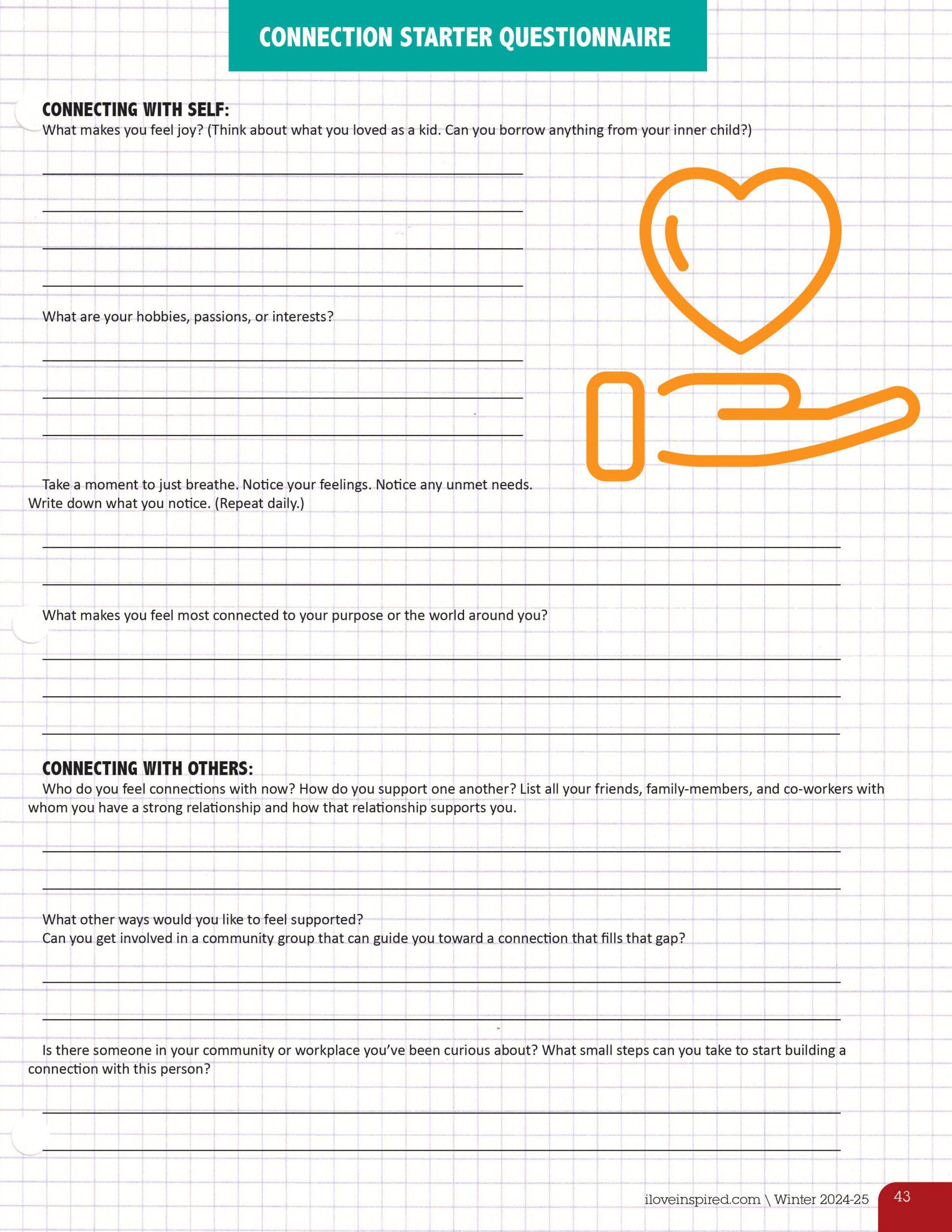
Take note of all the relationships and methods of connection in your life. Assess the needs being met by each connection. Notice where there are gaps. Start to think about how you might make connections to fill in the gaps. (See the following worksheet to get started.)

Connect Through Shared Interests

As we share our experiences with others and take the time to understand theirs, we can begin to develop a shared system of understanding. 

Many religions and philosophies are centered around shared worldviews. If you’re religious, you may find that your shared beliefs and values help you develop deep and meaningful connections in your chosen religious spaces. Spiritual connection could mean attending meditation sessions, yoga classes, gratitude circles, or even a spiritual retreat.

Shared hobbies and interests can also bring people together. If you’re passionate about health and fitness, try joining a running club, taking fitness or cooking classes, or finding creative ways to make your meals or workouts more social. Love animals? Volunteer at an animal shelter or become a dog walker. Enjoy nature? Adopt a highway, volunteer to help build a trail, or join conservation groups. Are you a music enthusiast? Drum circles, singing groups, concerts, and lessons all have strong potential for social bonding.

We might even borrow connection-friendly ideas from other cultures. For example, in Sweden they have a tradition called fika, where individuals connect to enjoy an afternoon treat or drink. In Australia and England, they share a similar tradition of breaking for morning and/or afternoon tea. Perhaps you could start a tradition with a coworker or family member to set aside a moment each day to connect while enjoying a treat or drink. 

Consider your own values, passions, and beliefs. What activities might lend themselves to social connection with people who share your worldview? 

Seek Professional Support 

While there are myriad ways to connect, it is not always easy. Deep-seated feelings of loneliness and isolation can make us feel vulnerable. On top of that, fear of rejection and attachment wounds can make connecting with new people downright terrifying. 

In this case, a professional can help. Consider reaching out to work with a therapist or joining a support group. Continue searching for support until you remember that you are not alone. 

Connection is an essential human need. We are wired for love and belonging. While we can now survive without the need for a group, connection adds depth, meaning, and richness to the human experience. You are worthy of love, belonging, and connection. Your people are waiting for you to put yourself out there so you can find each other.  

Olivia Lynn Schnur

Olivia Lynn Schnur is a Licensed Mental Health Counselor, Licensed Professional Counselor, and EMDR Certified Therapist. She is also a Certified Yoga Teacher and Reiki Master. Olivia writes about health, healing, and happiness to in hopes of inspiring, educating, and empowering individuals to improve their mental health. You can learn more about Olivia, or book a yoga session, at oliviaschnur.com

Click this worksheet to print a copy!

Kara Maloney

Ten years ago, Kara Maloney was a senior at Luther College in Decorah, completing a double-major in Studio Art and Business Management, running cross-country, and feeling excited about her future. 

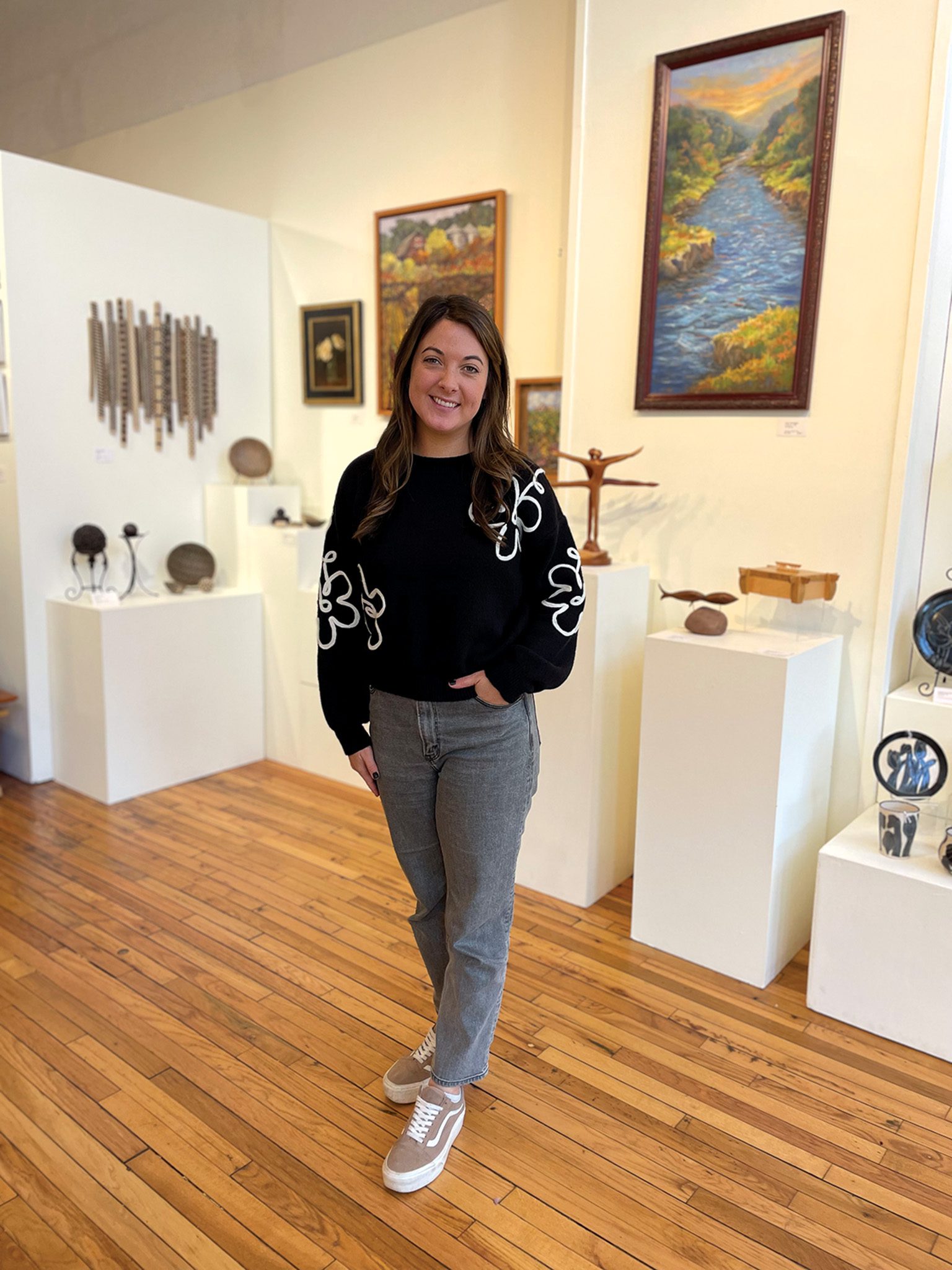
Kara Maloney poses at Lanesboro Arts

A bit anxious, too.

“Arts management is a highly competitive field,” Kara says. “I’d done internships at Vesterheim, Lanesboro Arts, and Springboard for the Arts, but I still wasn’t sure where I was headed.”

Kara arrived in Lanesboro, Minnesota, in 2015 for that one-month internship at Lanesboro Arts, a nationally recognized and respected small-town arts center. A year later, she became its full-time advancement director.

She had some reservations about moving to a town whose population barely topped 700. “I grew up in South Minneapolis and always figured the Twin Cities would be my eventual landing spot. My Luther advisor told me to give Lanesboro a try for two years. Now, 10 years later, I’m glad I did! It proved a great fit. People were very friendly, inviting me over for dinner, movie nights, community sings, potlucks. It felt like home right away.”

Today, at the age of 30, Kara is Executive Director of Lanesboro Arts. It’s a position and a place that’s giving her the opportunity to do what she loves most – community-building.

“I love the feeling of people being and working together,” Kara says. “My greatest professional joy is collaborating with others, members of my team, people in Lanesboro, and with other connections I have. Everything I do is community-driven.”

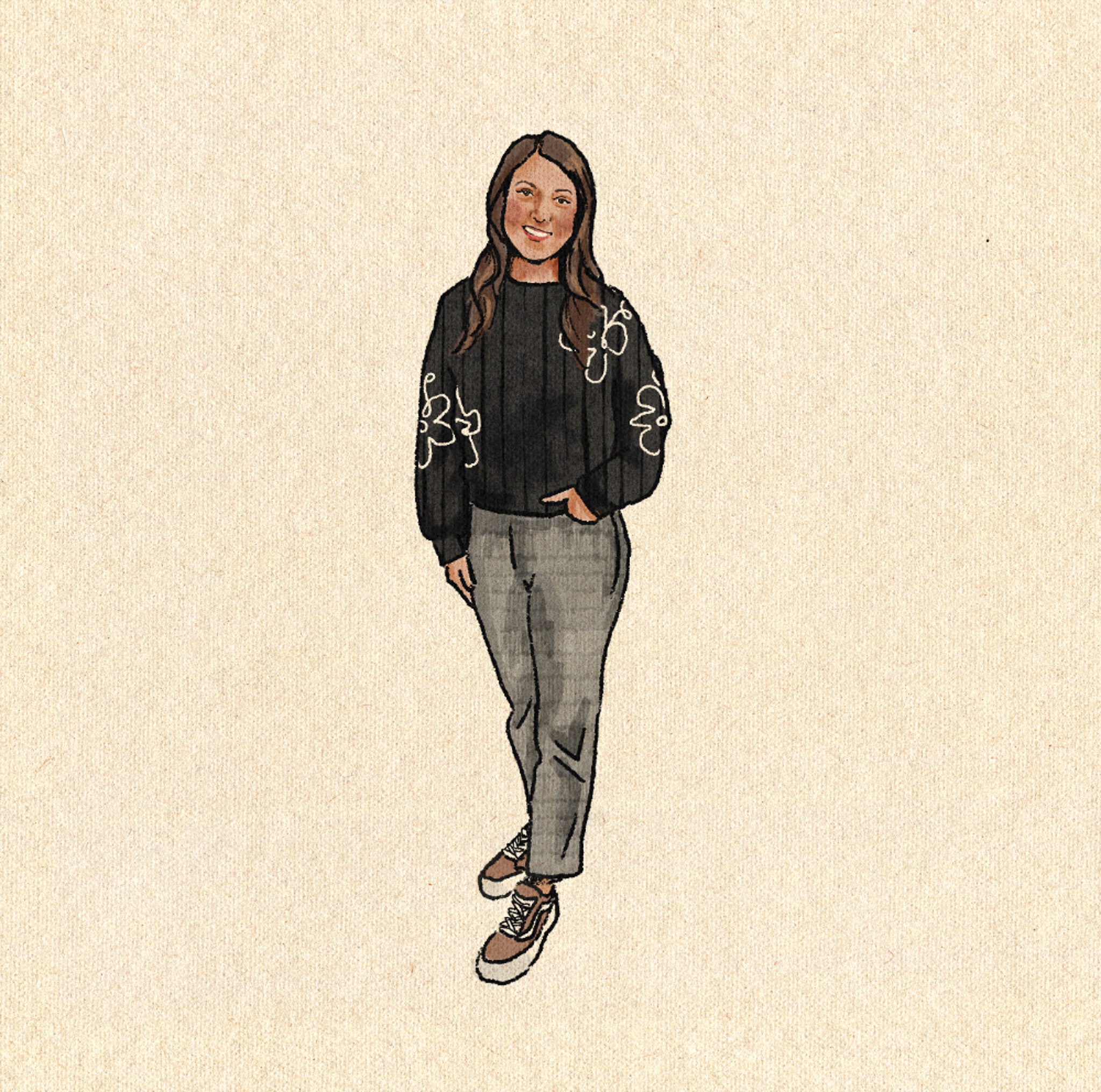
Digital illustration of Kara Maloney by artist Carly Ellefson (Luther Grad ’15).
Digital illustration of Kara (see original photo above) by artist Carly Ellefson (Luther Grad ’15).

One her major goals is to bring the skills and viewpoints of artists to the community table. “We’re all trying to succeed with limited resources,” she says. “And artists know all about that! They also contribute imaginative thinking, the ability to pivot, and a resiliency that comes from dealing with criticism and critique that helps everyone.”

Kara was raised in an active family, visiting museums, attending concerts, and enjoying the outdoors. Her parents were service-oriented, too, she says. “My dad volunteered at church, among other things. My mom – who’s also an artist – taught classes, created mural backdrops, and face-painted at festivals. They taught me community is important.”

Beyond her full-time work at Lanesboro Arts, Kara quickly jumped in to help with other community organizations. She joined the Lanesboro Area Chamber of Commerce board (which she now chairs), the Downtown Business Promotion Group, the Sons of Norway, the Blandin Community Leadership Program, and LEAN (Lanesboro Entrepreneurial Action Network). She’s served six years on the SEMAC (Southeastern Minnesota Arts Council) board and is part of RUX (the Rural Urban Exchange) based in Winona. In her “spare” time she coaches the Lanesboro Junior High track-and-field team, is a familiar face on the town’s pickleball court, and enjoys personal art projects like rosemaling. “Life does get busy!” Kara says with a laugh. “It’s about making time for priorities.”

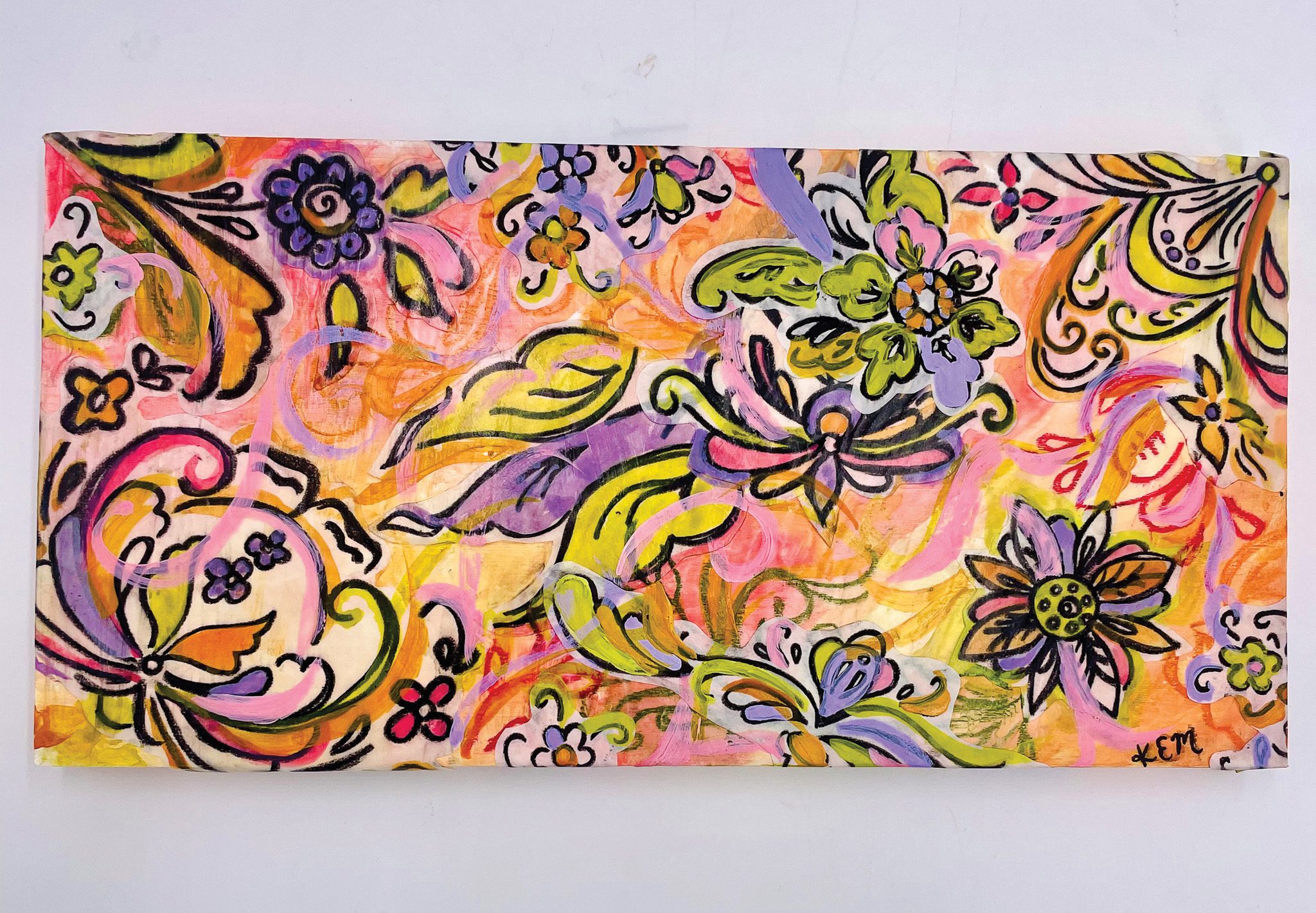
Kara Maloney's colorful rosemaling artwork
Kara enjoys rosemaling, a folk art tradition that originated in Norway centuries ago. / Photo courtesy Kara Malone

And when a community is small enough to literally know everyone, there can be a unique set of challenges and competing thoughts on what should be top priority. “Sometimes we get in the weeds and have tough conversations. People have differing opinions; feelings can get hurt. When that happens it’s important to keep talking and working together.”

Being on the younger side of leadership can feel like a hurdle as well.

“I feel valued and listened to, but there are times when I sense I’m not the most visible person in the room,” she says. “I move past that by seeking conversations and commonality. People my age are eager to build community.”

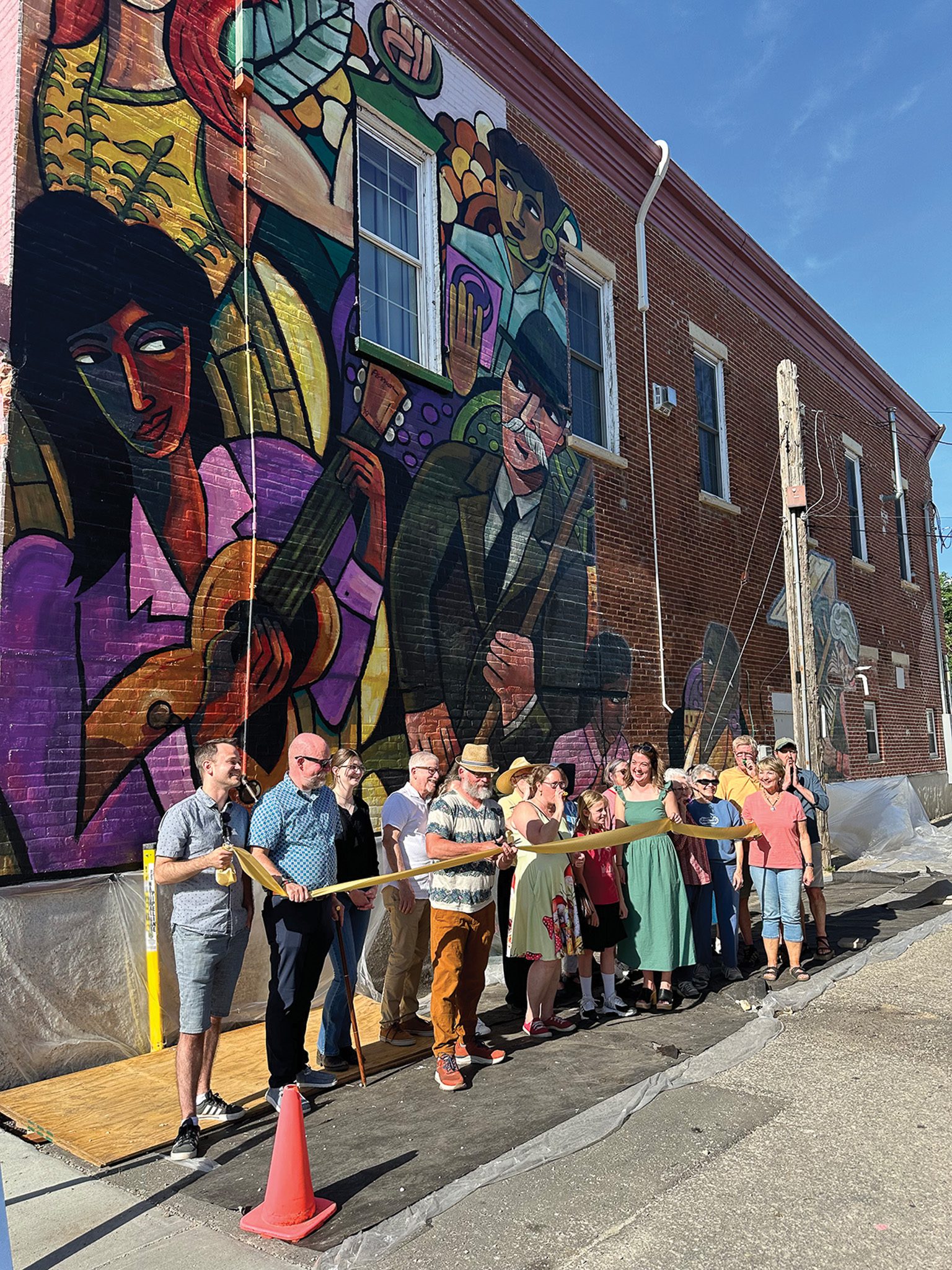
Mural opening in Lanesboro
The Lanesboro community gathers to celebrate completion of a new mural in the town’s theater district. / Photo courtesy Kara Maloney

She sees fellow millennials and younger generations creating space and change across the region, citing Decorah’s Pride Festival and a mental health fundraiser in Lanesboro as examples, both organized by folks with a mix of ages. Kara says it’s important to not get stymied by the often-slow pace of change that’s sometimes a reality in small towns. “We all get impatient at times,” she says. “It helps to remember that ‘change happens at the speed of trust’ and to ‘move slowly, with care.’”

But small towns can also prove that, when neighbors are in need, people come together. Showing up not only builds community, she says, it creates a powerful circle. “When you show up to volunteer at a cancer fundraiser, to usher at a community theater play, to deliver senior meals, you support others. People who do that get supported in return.”

One example of that support had a lasting impact on Kara’s commitment to her community. It happened on the evening of June 18, 2016, the day before “Art in the Park,” Lanesboro Art’s major annual festival. Volunteers showed up in Sylvan Park to set up. So did a fierce Midwest thunderstorm with high winds, heavy rain, and hail. Trees came down, a park shelter was destroyed, event decorations were in shambles. Kara, one of the staff members in charge of the event, was faced with the decision to cancel it.

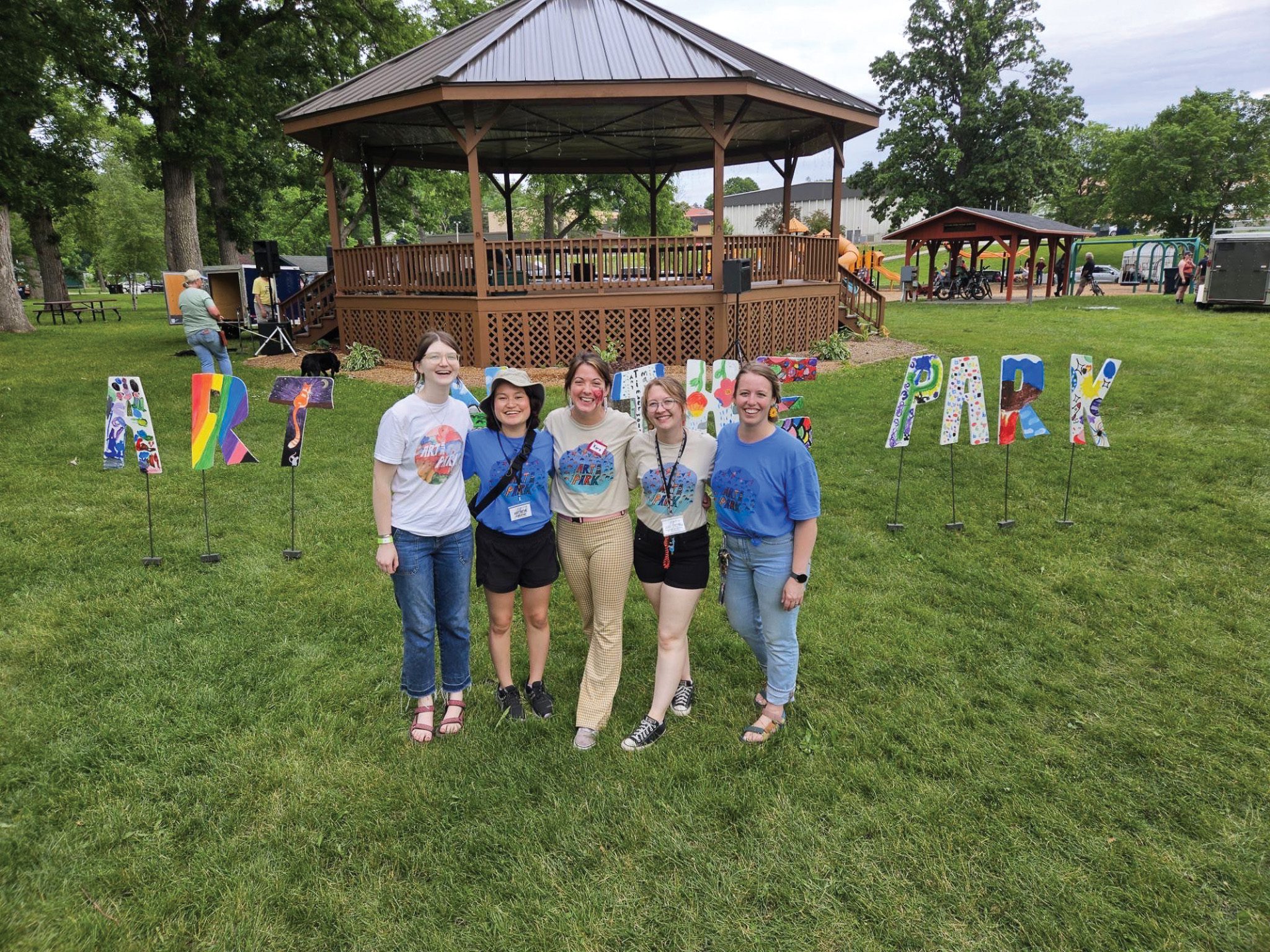
Lanesboro Arts team at Art in the Park
Kara Maloney (center) and the Lanesboro Arts team at an Art in the Park celebration. / Photo courtesy Kara Maloney

As they discussed that option, people began showing up at the park to help clear debris. Despite clean-up tasks at their own homes, and working in the beam of car headlights, volunteers brought order to the chaos. Chainsaws buzzed into the night as downed trees and branches were hauled away. “We didn’t make phone calls, people just came,” Kara recalls. “The next day, the festival went off beautifully. But we couldn’t have done it without those generous volunteers.”

Kara thinks about the impact of that type of community care – and the impact she wants to have in the future – every day, every time she works to create space for members of her community. “However long I’m here, I want to help make our community an even more welcoming place. A place where people of all backgrounds feel they belong. A safe and inclusive place where everyone can contribute their gifts. That’s the legacy I hope to leave.”

No matter a town’s size or age of its people, community-building happens best in simple ways, says Kara. “It’s about building relationships. It’s about being curious and staying open-minded. Most of all, it’s about showing up.”

Steve Harris

Steve Harris (steveharrisauthor.com) is a freelance writer who lives in Lanesboro, Minnesota, and can be reached at sharris1962@msn.com.

To learn more about Lanesboro Arts, its Gallery hours, Calendar of Events, and volunteer opportunities, visit lanesboroarts.org or call 507-467-2446.

Secret Link