Aryn Henning Nichols

The Three Tenors

As summer days slip away and goldenrod buds swell, birdsong is replaced by a six-legged symphony. The three tenors of the Driftless Area – cicadas, crickets, and katydids – take center stage, filling balmy air with an operetta of buzzes, clicks, and chirps heralding the approach of fall.

Cicadas are the loudest of the diminutive songsters. They resemble enormous flies with square heads and long, clear wings. Using special abdominal organs called tymbals, male cicadas buzz intensely from the treetops to attract females. An aggregation of toned and tuned males can crank out a collective buzz exceeding 100 decibels, comparable to a rock concert (move over Bruce Springsteen).  
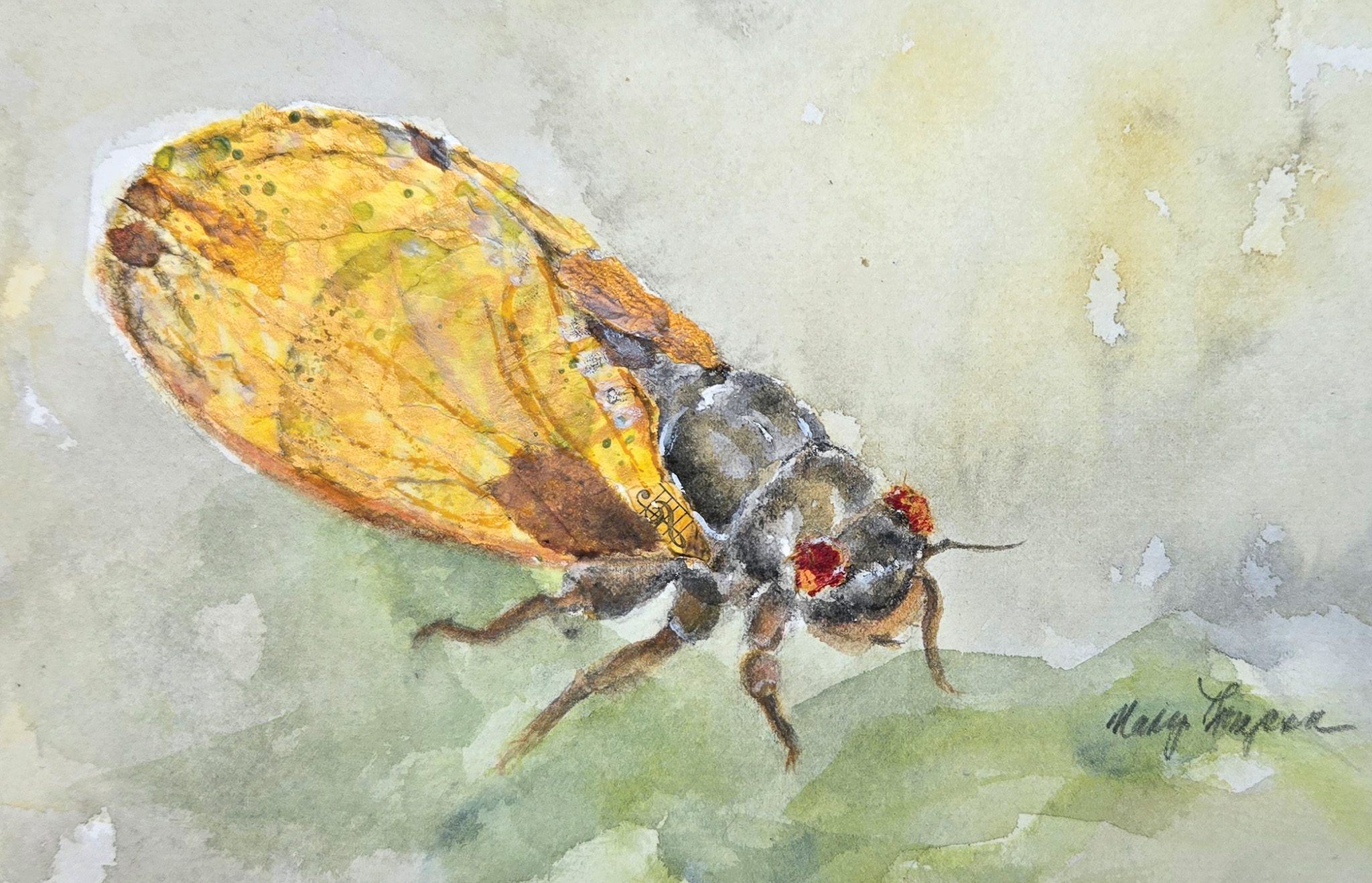
Cicada / Artwork by Mary Thompson

Similar to birds, each type of cicada has a signature buzz. The Driftless Region has nine cicada species. The dog-day cicada, also known as the heat bug, because it emerges mid-summer, is the most common. It sounds like a buzz saw. Periodical cicadas are bona fide celebrities, famous for synchronized mass emergences and a deafening din, the culmination of 17 years underground as nymphs feeding on tree root sap. Their first breath of fresh air after more than a decade of dining in dirt may help explain their acoustic exuberance. Cicadas live brief but spectacular lives, with most surviving for only four to six weeks. By late summer, the cicada chorus falls silent.

Katydids resemble a cricket-grasshopper mash-up. They are distinguished from both by antennae longer than their bodies. The 20 species of Driftless katydids are avowed vegetarians, opportunistically munching leaves, stems, and flowers. Their size (one to four inches long) and soft bodies make them a favorite prey for birds. Their leafy green color helps to conceal them, as do nocturnal performances.
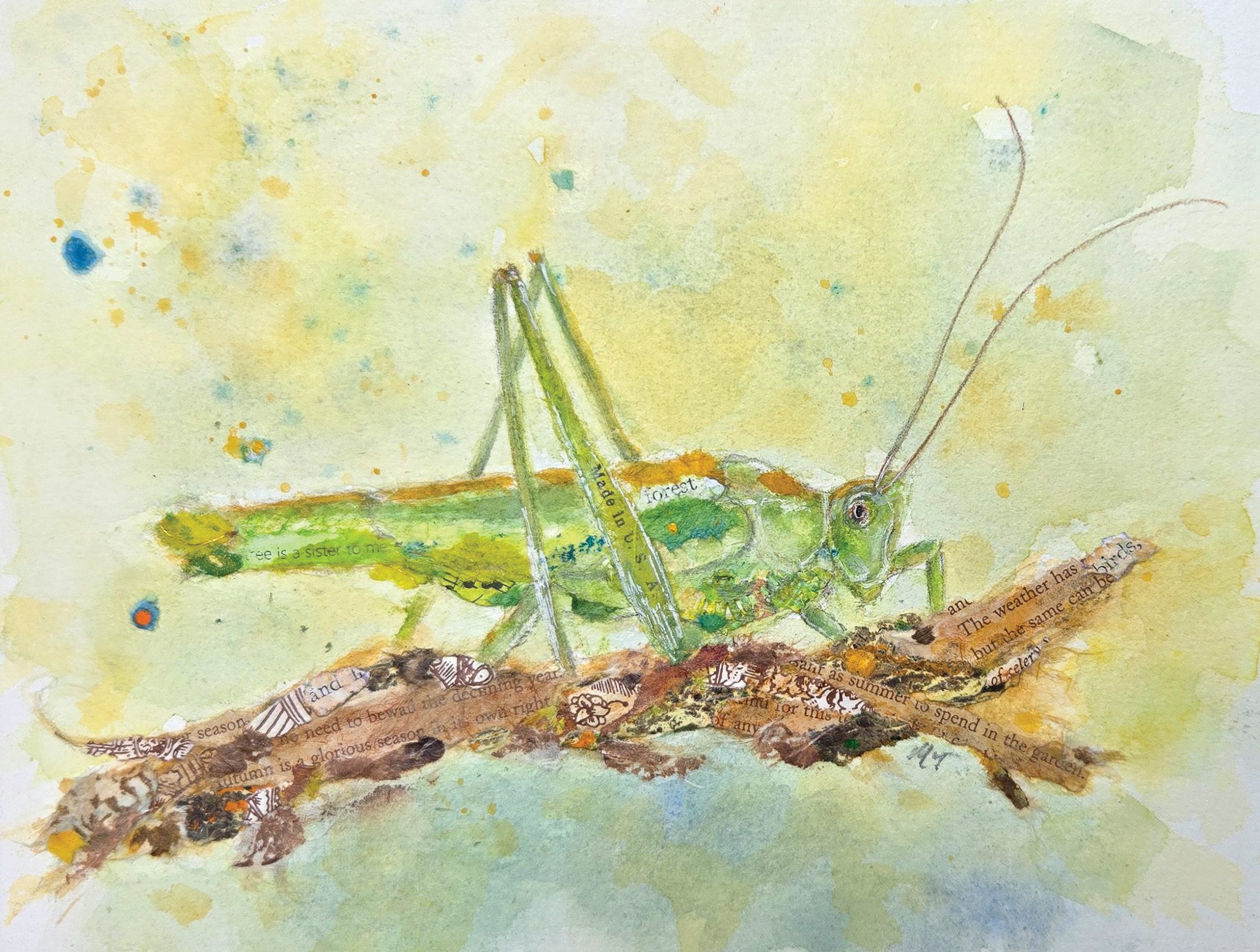
Katydid / Artwork by Mary Thompson

Male katydids tune up as the moon rises, rubbing their wings together – a behavior called stridulation – to create their eponymous sound: “katydid, katy didn’t, katydid, katy didn’t.” Despite their apparent indecision, the song is an effective attractant for female katydids keen on finding a mate. Late summer is peak Katydid season, although a few intrepid individuals manage to endure until fall.

Crickets are the last, but not least, of the miniscule musicians. They’re the toughest of the lot, chirping well into fall, long after the seasonal curtain drops on cicadas and most katydids. 
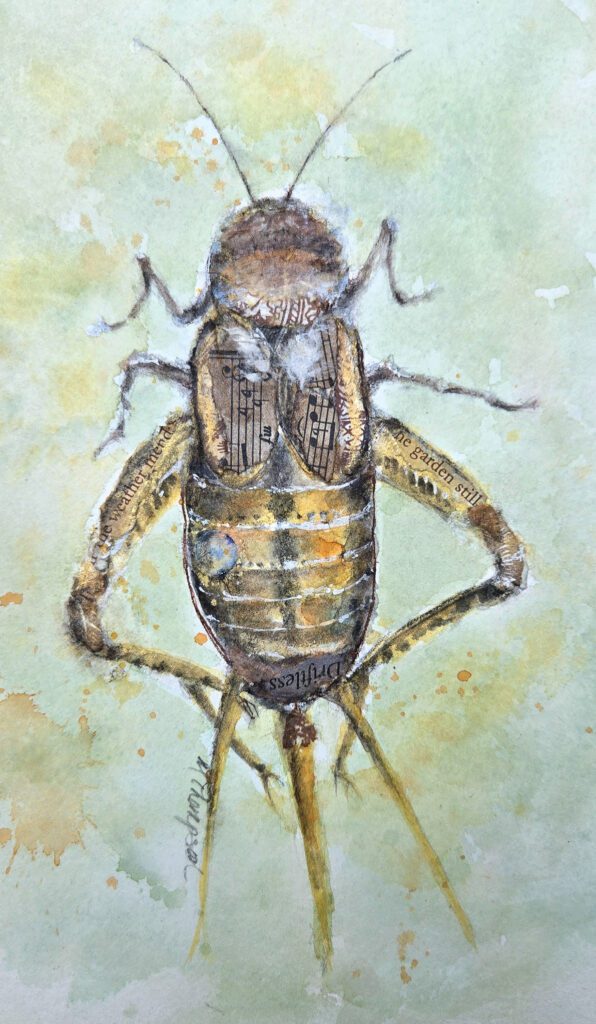
Cricket / Artwork by Mary Thompson

More than 900 species of crickets live worldwide, with 100 species found in the United States. In the Driftless, the most common is the field cricket, a sturdy little bug with a rather pedestrian exterior. Contrary to the dapper image portrayed by Disney’s Jiminy Cricket, complete with a blue top hat and umbrella, the field cricket is clad in monochromatic black. The lack of “spiffy” helps conceal these ground dwellers from a host of would-be predators. Unlike cicadas and katydids, most crickets are omnivores, noshing all manner of vegetation and even the occasional aphid or small spider. 

Like katydids, the field cricket’s signature chirp is the product of stridulation by males looking for love. They begin their solo performances in July and continue into October, until ultimately thwarted by frost. Because crickets are ectothermic (cold-blooded), every aspect of their lives, including chirping, is regulated by temperature. As it gets colder in the fall, the crickets’ chirping becomes slower and slower. Amos Dolbear, a 19th century American physicist and very bright guy, realized the Fahrenheit temperature can be estimated by counting the number of cricket chirps within 15 seconds and adding 40. Clever.

This fall, long after the cicadas and katydids have signed off the airwaves, step into the cool autumn air to enjoy the crickets’ waning serenade. And don’t forget to estimate the temperature.

Mary & Craig Thompson


Mary and Craig Thompson live in wooded bluffs north of La Crosse. They now rely on crickets to tell them when to don their hoodies.
New Minowa Player’s 50th Season!

Decorah’s community theatre group, New Minowa Players, have been welcoming people into its unique and vibrant family for the last 50 years. Since the troupe’s inception in 1975, through ups and downs, changes and challenges, the organization’s driving force has remained the same: an undying love for live theatre and commitment to community.

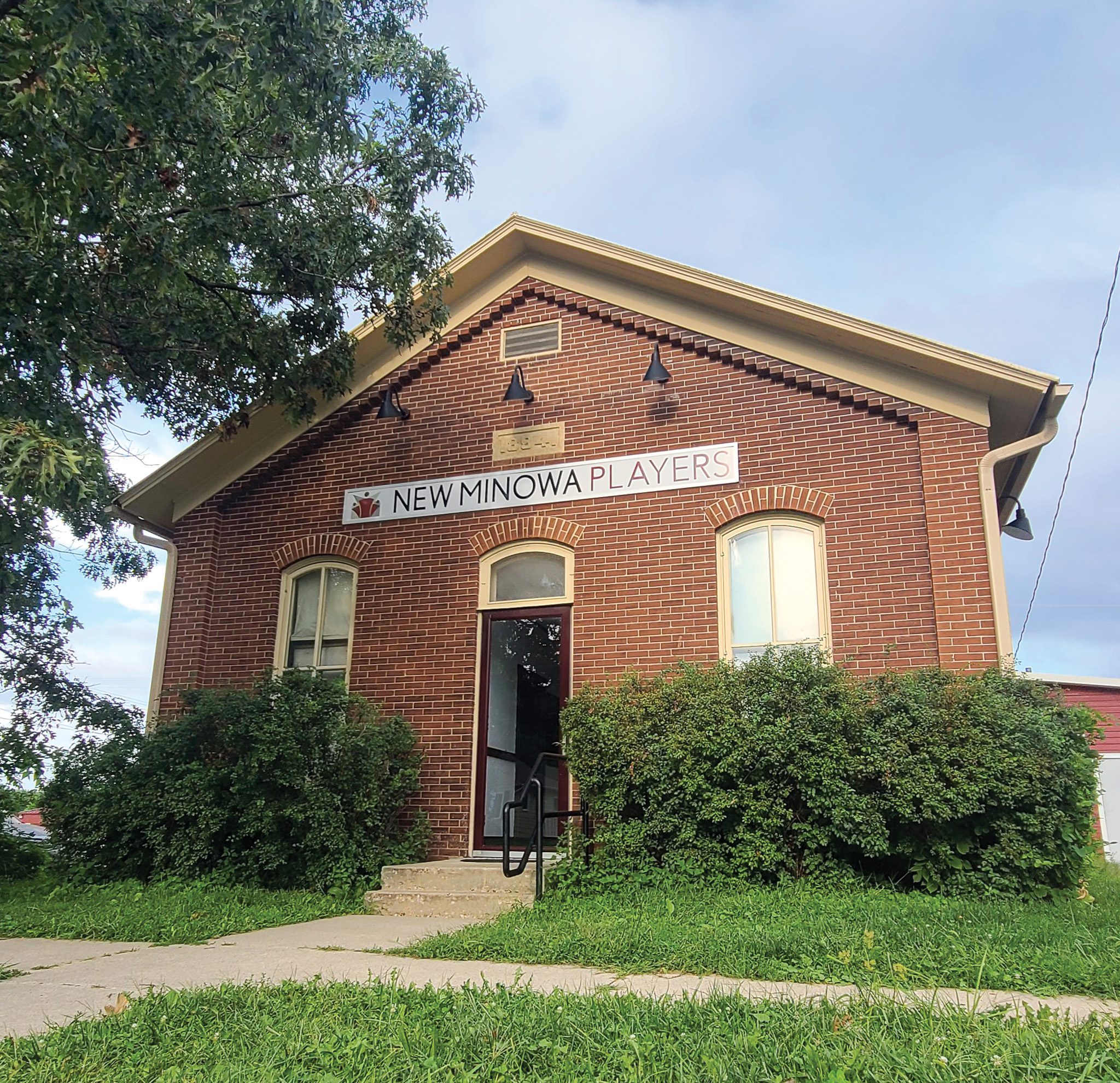
The New Minowa Players’ building on Mill St. in Decorah. / Photos courtesy NMP

“This is a place where you don’t have to question whether or not you’ll be accepted,” says Gabe Twedt, the New Minowa Players Board President. “Having a safe, welcoming space is a huge asset to the community. . .this is an organization that wants to hold you up and support you.” 

In turn, the community holds the New Minowa Players (NMP) up, ensuring the group is able to continue producing shows and providing Decorah with a vibrant performing arts tradition. Each of the organization’s six yearly shows are put on entirely by volunteers committed to making performing arts accessible for all. The group tends to draw members in from varied backgrounds – even those with no previous theatre experience. 

For Sheryl Scheffert, one of NMP’s longest-standing active members, it started with a phone call from a friend looking for a pianist to accompany a show. That was in 1986, and Sheryl has been an integral part of the group ever since. She can be found directing, adapting shows for the Children’s Production, or filling in other positions as needed.

“I had never participated in theatre before that call,” Sheryl says. “The fact that I’m so involved all these years later is a real testament to the organization.”

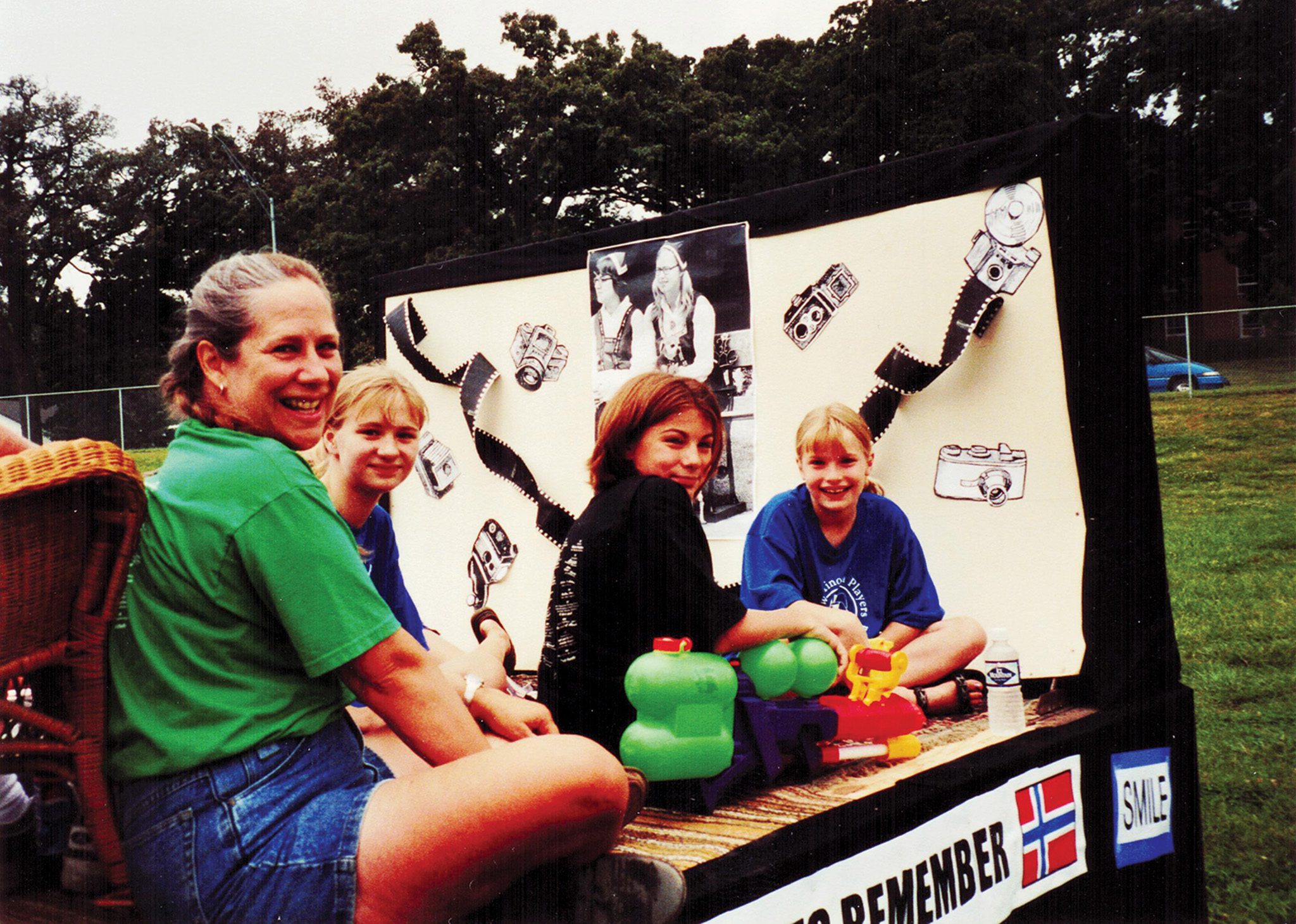
Sheryl Scheffert, left, with a crew on an New Minowa Players parade float in years past. / Photo courtesy NMP

It’s also common for former members and participants to return to the NMP fold after taking a break, reintegrating seamlessly, regardless of how long they were away. NMP’s vice president of the board, Sarah Brandt, first joined as a sophomore in high school. She pursued a theatre degree at Luther College, then moved to Minneapolis after graduation. When she found herself back in the Driftless, she didn’t hesitate to rejoin NMP.

“It always feels like coming home, no matter how long you’ve been gone,” says Sarah. 

NMP volunteers and supporters contribute in many ways, from acting, to holding a backstage role such as stage-managing or helping with sets to simply enjoying a show. The themes and content of each production vary considerably, providing the audience opportunities to engage with difficult topics, travel to far-away worlds, or enjoy an evening full of laughter and old-fashioned fun.

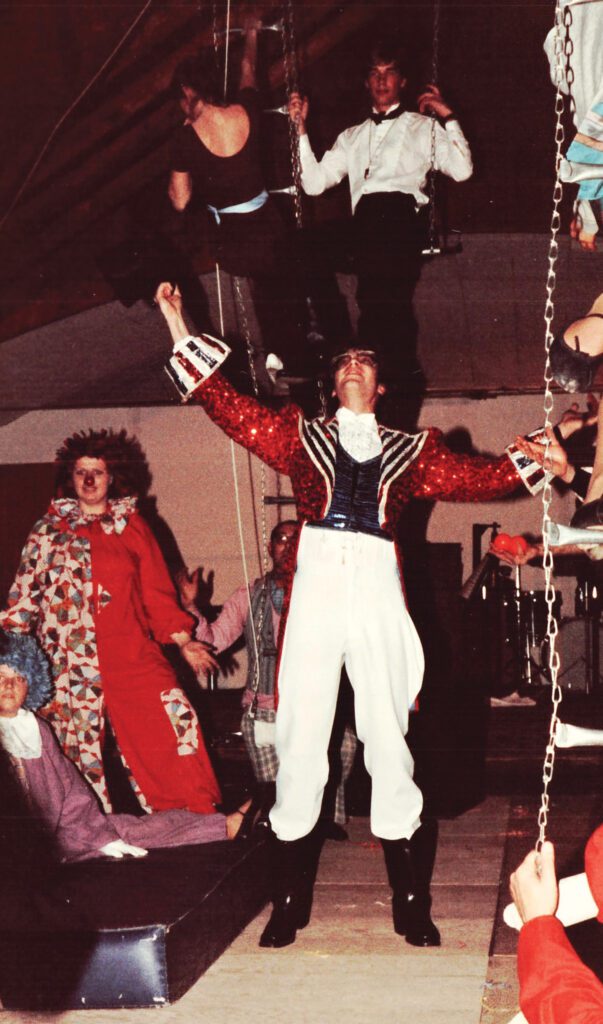
NMP’s Barnum from 1984. / Photo courtesy NMP

“Every show is a capsule of community,” says Sheryl. “All different backgrounds and interests overlap, and each show sees the forming of a new cohesive group.”

These ambitious programs are a testament to how far the organization has come. When founders Bette Greedy, Donalee Burns, and Helen Schmidt – now affectionately known as the “founding mothers” – staged their first show in 1975, it was a true passion project, built from the ground up. At the time, the group did not have a regular season, simply focusing on one show at a time whenever they could scrape together enough support and volunteers. 

“A six-show season is incredible and rare for a fully volunteer community theatre,” says Sarah.

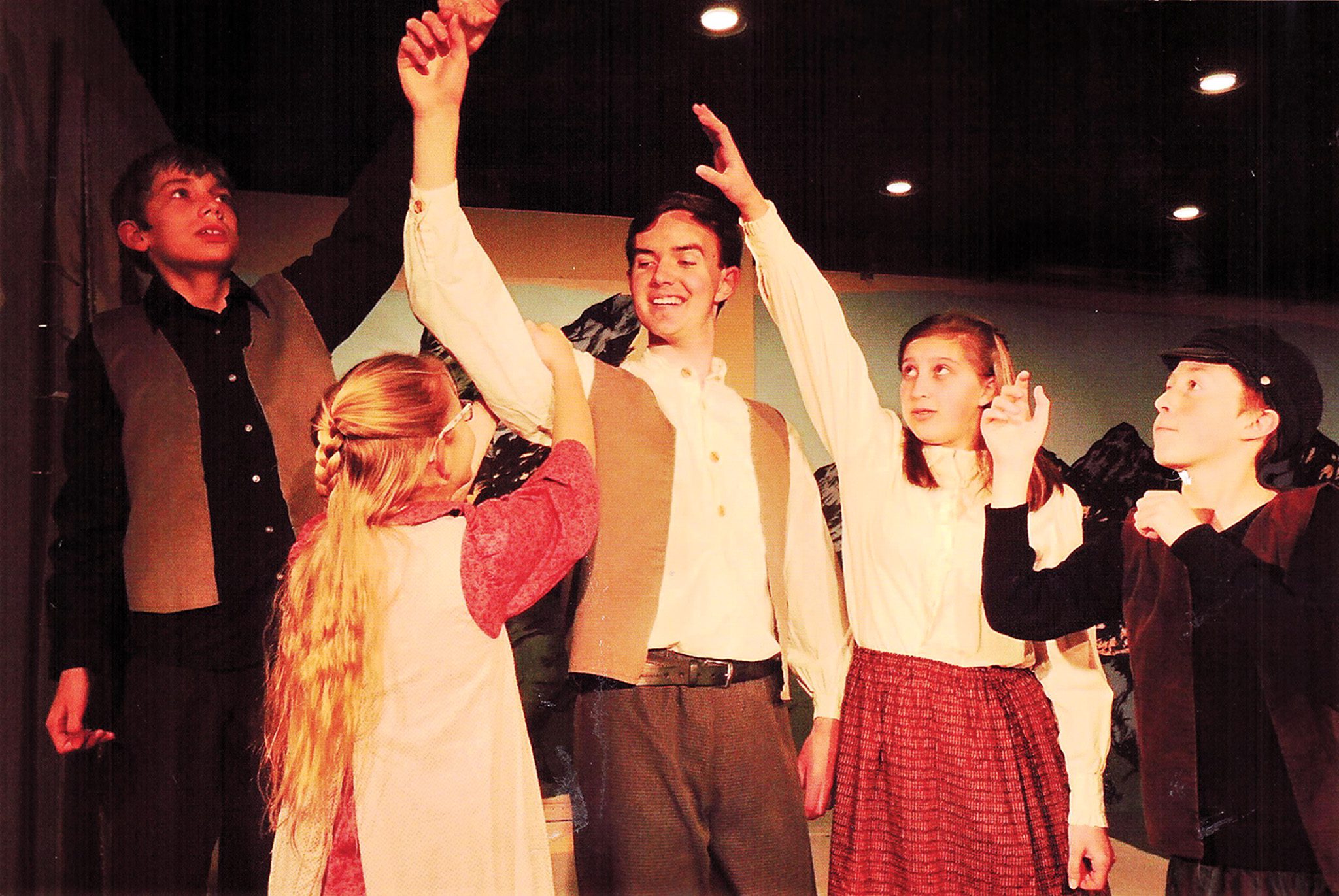
Each August, the season opens with the Young People’s Production, designed to be put on entirely by youth ranging from middle-school to college-aged, including all directorial, tech, and backstage roles. Next is the Children’s Production, featuring a cast of budding actors up to 8th grade, with performances near the end of October. 

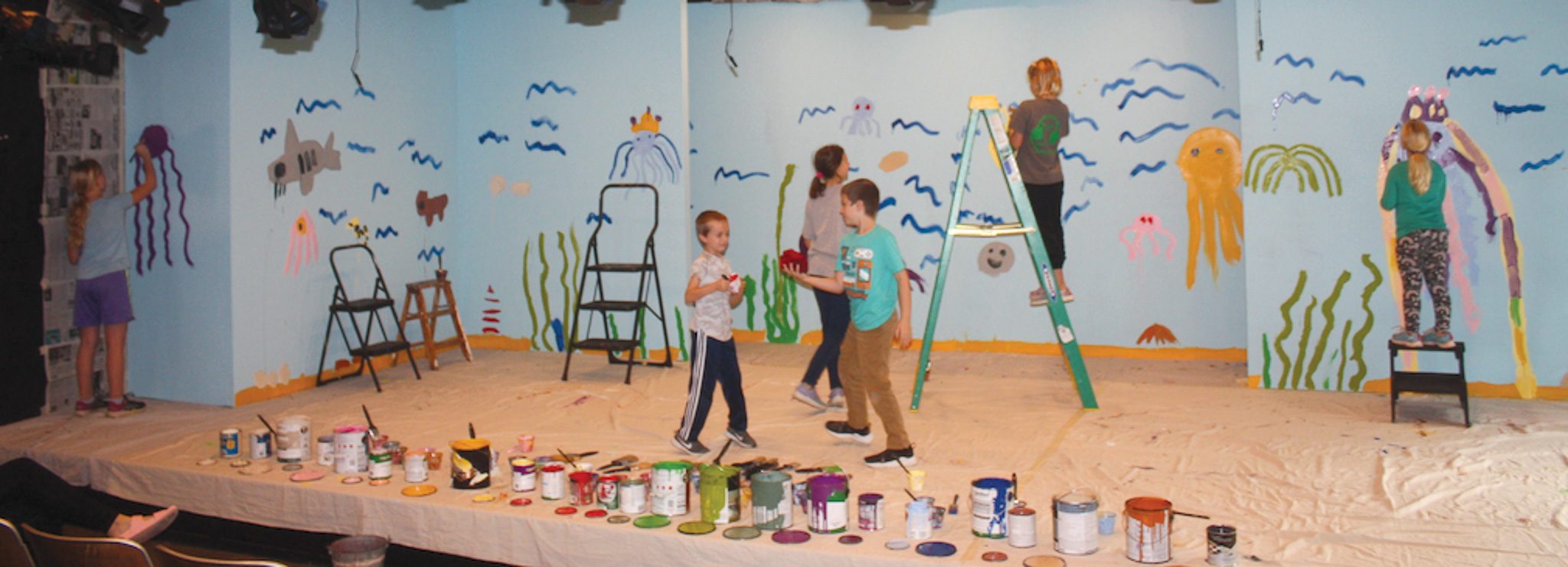
Painting sets. / Photos courtesy NMP

While many theatres build their season program internally before putting out the call for directors, actors, and other participants, NMP does it differently by asking creatives to submit ideas for shows that excite them, allowing the group to take chances and risks they might not have taken otherwise. November’s Creative Venture production is a great example of this, reserved for shows that might be seen as experimental or outside-the-box. This year’s slot is filled by a one-person show, something NMP has never done before.

In January, NMP puts on a larger, family-friendly production which typically spans at least two weekends, offering somewhere between 4-7 performances; the Spring Show occurs in March or April; and the season culminates with the Summer Show at the end of June.

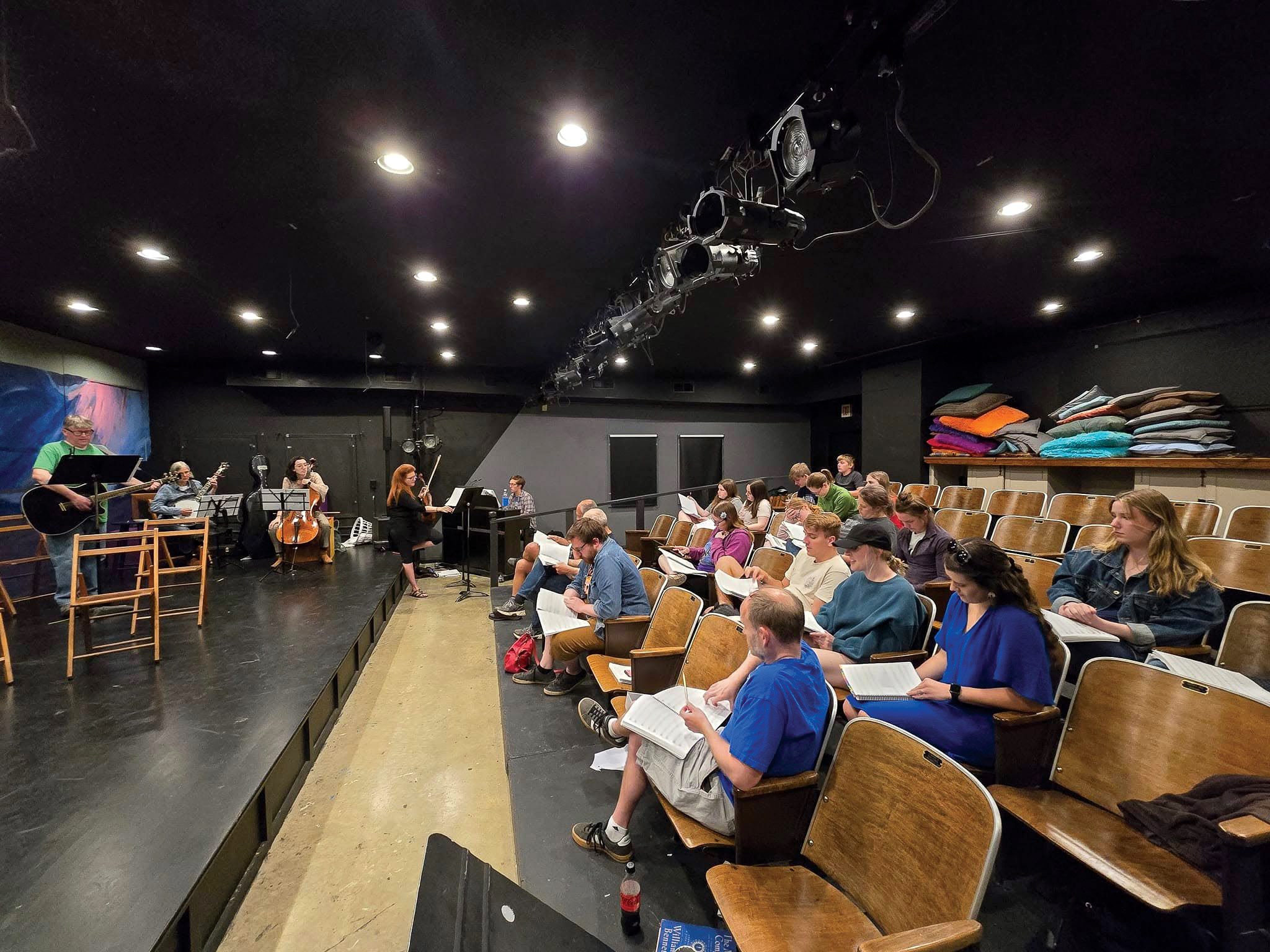
Practicing music in the NMP theatre. / Photo courtesy NMP

While most productions are now performed in NMP’s own theatre space in Decorah, for many of its formative years the organization bounced around various venues, like restaurants and outdoor theatres, in Decorah and surrounding communities. The company’s current building, purchased in 1981, originally served as storage, a workshop, and occasional rehearsal space. In 2006, they decided to turn it into a permanent performance space, the construction of which was a true community effort, with seats coming from the Waukon High School and many, many volunteer hours spent refurbishing spaces and equipment.

2024 production of Descendants. / Photo courtesy NMP

The result is a perfectly cozy, roughly 60-seat auditorium that is home to a majority of NMP performances. Periodically, shows will still occur at other locations to accommodate larger audiences, like the popular Summer Show that’s typically at the Decorah High School auditorium.

“That part of the season [leading up to the Summer Show] feels like the greatest manifestation of all the principles this organization was built on,” says Sarah. “It’s when you can tangibly feel the whole community rally around the theatre and everyone wants to be involved.”

Sheryl fondly reminisces about the group putting on Les Misérables a few years ago, recalling the way the whole town truly came alive with anticipation then, as well.

“Members of the community would literally approach me in the street, offering to help with the production,” she says. “There was a huge buzz. . . it was so cool to see the impact really reach beyond the theatre walls.”

The lineup of NMP’s 50th anniversary season is both an homage to the group’s history, as well as a manifestation of the change and exploration still yet to come. 

“We have a mix of old and new shows coming up, allowing us to reflect on our historic performances while also exploring some exciting avenues and directions that we haven’t had a chance to before,” says Gabe.

If you’re looking to experience the magic of live theatre, don’t hesitate to consider auditioning or volunteering behind the scenes. Even if you don’t have experience or know anyone already involved with the group, don’t worry – you’ll be fully welcomed into the New Minowa Players family.

Clara Wodny


Clara Wodny is a recent graduate of Luther College, where she earned degrees in English and Visual Communications. A freelance journalist and illustrator, she regularly contributes to publications such as Iowa Natural Heritage, Visual Art Journal, and, of course, Inspire(d) Magazine. She is currently doing a pottery apprenticeship while she figures out what to do next!

Upcoming 2025-26 New Minowa Players 50th Anniversary Shows:

October 23-26: Children’s Show – Winnie the Pooh
October 31 & November 1: Halloween Haunted House at NMP
November 6-9: Creative Venture – An Iliad 
January 22-25, 30 & 31, 2026: Winter Show – You’re a Good Man, Charlie Brown 
March 7, 2026: 50th Anniversary Celebration Gala at Peace Dining Room, Luther College
April 9-12, 2026: Spring Show – You Can’t Take It with You
June 25-28, 2026: Summer Musical – Into the Woods 
Nordic Fest 2026: One-Act Showcase
newminowaplayers.org

What is Best to Let Go? A Flowchart

I love the idea of removing things from my plate. 

(Metaphorically, of course. Please leave my chocolate and cheese alone…). 

Sure, we can always try to juggle more, modify our schedules, use our time more efficiently…but the best way to free up mental or physical space is to literally let something go.

Life changes, we change, and what works best for us changes as well. 

What does the life you want to live look like? Fall is filled with freshly populated, back-to-school schedules. Is it all important? Do all those calendar items need attending? How about the stuff around your house? As the weather starts to get cooler, you’ll be cozying up inside more and more. Surround yourself with things you truly want to share space with.

Next, take the leap and release what you no longer need, even if you needed it once upon a time. People, possessions, thoughts, emotions, dreams – let go of anything that no longer serves that life you dreamt up. Chisel away at anything that no longer needs your attention.

Making space allows room for things you really love to flow into the openings. If you’ve ever experienced the somehow physical lightening of your shoulders after you declutter your space, you know what I mean. Letting go is freedom.

Fall is the perfect time for this. The leaves are letting go (after showing off their best colors, I might add), and the world around us is signaling it’s time for change.

I have a friend who once told me, “You can only do three things well.” That’s stuck with me in the decade since – this idea that you can only really succeed at three roles at a time in your life. You certainly might have more than that going at the moment, which, by this logic, means you’re not doing any of them to the best of your ability. That’s okay. That’s life sometimes. It doesn’t mean you’re failing, just that you could probably do and feel better with less on your plate.

I will be the first to say, “Easier said than done!!!” It’s so hard to tell people no, so hard to let go of something you might just need in the future, so hard to stop doing something that’s filled your days so effectively in the past. So, let’s all try it together this fall, just gently exploring the concept of what really matters and what’s important to us. Having trouble deciding? Check out my “What’s Best to Let Go?” flow chart to help lead you to an answer. You’ve got this.

XOXO,
Aryn

Secret Link