
Aryn Henning Nichols

How to Trust in Seasons of Letting Go

Fall invites us to slow down and witness the beauty of letting go. The perennial wildflowers droop their heads in slumber for the season. The prairies transform from fertile shocks of green to drying shades of brown. The leaves of deciduous trees go out in a cascade of yellow, orange, and red.  

The autumnal equinox is a rare moment of balance that only happens twice per year – a day of equal light and dark. This can mark a time for us to rebalance our own lives as well. Earlier in the year, the spring equinox signaled brighter and warmer days, when our energy and commitments ramped up. Spring and summer encouraged us to plant and nourish seeds. 

Now, as the days grow colder and darker, our energy begins to downshift. This offers an opportunity to take stock of everything we’ve grown and nurtured during the year, conserving what we wish to keep and letting go of the rest. Because, while at the end of autumn the world may look dead and dark, we know that nature is cyclical. Life and light will always return.

Letting go is an act of trust that we embrace every time nature goes dark or dormant. We trust that the sun will rise again, the moon will become illuminated once more, and fall will give way to winter, spring, and summer, over and over again. 

Why then, do we struggle so immensely to let go of other things in life? Many of us hold onto belongings, jobs, relationships, expectations, dreams, and goals long past their expiration date. 

Often, this is because we fear uncertainty. We worry nothing will replace the thing we’ve released; but generally, the opposite is true. Letting go of what is no longer serving us creates space for what we want more of in the future. 

Set Priorities & Reclaim Energy

We only have a limited amount of time and energy in life, so setting clear priorities is important. If we don’t, the world will do it for us, often leading to feelings of anger and resentment. Consciously choosing what matters most helps build a meaningful and fulfilling life.  

To do this, it can be helpful to take stock of all the sources that require energy in our lives. We can also consider what we receive in exchange for our energy output, like a paycheck from work, a healthier body after exercise, or warmth, love, and compassion following time spent with loved ones or helping in a community.

Once we’ve set our top priorities, we must start saying no to anything that does not align. This is not a selfish act. It is a radical commitment to the roles, responsibilities, and people we value most. 

Our energy is our lifeforce. Ideally, we want to give our lifeforce to people and causes that feel meaningful to us. This allows for an equal exchange of energy that leaves us feeling balanced and fulfilled. Conversely, energy leaks can happen when we give much more than we get. We can identify energy leaks by noting anything or anyone who leave us feeling consistently used, drained, unappreciated, or resentful. 

Sometimes, letting go can feel especially difficult if we’ve committed a lot of energy already. We get stuck pursuing a dead-end goal because of what psychologists and economists call the “sunk cost fallacy.” This is the tendency to stay in a circumstance that continues to drain or hurt us because we have invested (or lost) too much. The sunk cost fallacy can apply to relational, financial, career, and personal goals. 

But remember: No matter how much time or energy we have already invested, staying in a situation that makes us miserable rarely produces positive results. In this situation, bravery is required to face the facts. We may need to accept our losses; however great they may be. We need to know when it is time to let go. 

Release Old Emotions 

Before we can let go, we must sit with what is not working. Many emotions do not fade with time, and when we pause to reflect, in a space free from input and distractions, unprocessed emotions can rise to the surface. The more we try to avoid these emotions, the louder they become. Ignore them long enough and they can manifest in the form of anxiety, depression, and other mental health conditions. This is why we need to give our emotions the time and attention they deserve, but it can be deeply uncomfortable at first. We might even feel like we cannot survive the onslaught of our feelings. In that case, it is best to work with a professional therapist who is trained to help unpack layers of unprocessed feelings.

Over time, sitting with our own thoughts and emotions can become a gift. This is how we learn to trust our emotions as sources of information. We discover more about who we are, what we desire, and what we need to release. While our emotions are not always based in fact, we can think of them as guides, letting us know where we need to place our attention. 

Once we’ve considered whether our circumstances can be mended or rearranged to fit our ever-changing lives, we can carefully take steps toward a necessary change. If it’s time to let something go, it will feel much easier if we know we are making the right choice. 

Practice Forgiveness 

Forgiveness is one practice that can help us begin to let go of pent-up emotions like resentment, blame, anger, and pain.

Forgiveness does not mean we owe anything to anyone or that we need to accept someone back into our lives or absolve them of responsibility. Forgiveness simply means letting go of whatever keeps us chained to a moment in time. Ultimately, it is for our own benefit. It frees us to live in the present and chart out a different path for the future.

Self-forgiveness can also provide a path forward. It does not mean we wish to relive a moment or would make the same choices we did in the past. It only means that we choose to offer ourselves grace now.

We can practice self-forgiveness by infusing memories with compassion, understanding, and acceptance. Self-forgiveness can be a powerful process that frees us to see ourselves and a situation in a new, healing light. 

Accept the Present 

Mindfulness is the practice of accepting the present moment as it is, without judgement. As much as possible, we should aim to live in the present and accept it for what it is.

Developing a daily mindfulness practice can be of great benefit as we practice letting go. Observing our present circumstances can show us where our time and energy are going. Then, we can weigh that reality against our ideal priorities and goals.

Mindfulness also helps us recognize and name our emotions, without judgement. It creates the space necessary to digest and process our feelings.

When we mindfully accept the present moment, everything becomes clear. Each moment, we can practice letting go of emotions, thoughts, and behaviors that do not serve us. Over time, that practice will lead us toward a life that aligns with our values and priorities. 

The worksheet following this article contains an exercise to help you mindfully sit with and start to release pent-up emotions. 

Let Go and Live 

We all deserve a life of our own choosing. If that feels completely out of reach, a mental health professional can help you get clear on what that looks like or what steps you need to take to get there. 

Ultimately, letting go is not a practice of missing out. It is a practice of creating space for the life we desire. Letting go is an act of trust. We can accept the present moment as it is, while believing in our own potential. We can learn to let go of what no longer serves us, because we have faith that greater things are around the corner. 

Olivia Lynn Schnur


Olivia Lynn Schnur is a Licensed Mental Health Counselor, EMDR Certified Therapist, Reiki Master, and Certified Yoga Teacher. Olivia writes with the intention of educating, inspiring, and uplifting others to take charge of their own mental health. To learn more, or to book a yoga session, visit oliviaschnur.com

Angie Herrmann: The Art of the Everyday

Decorah artist Angie Herrmann has embedded painting into everyday life. Perhaps it’s this real-life aspect of her work that makes it strike such a chord with many in the region.

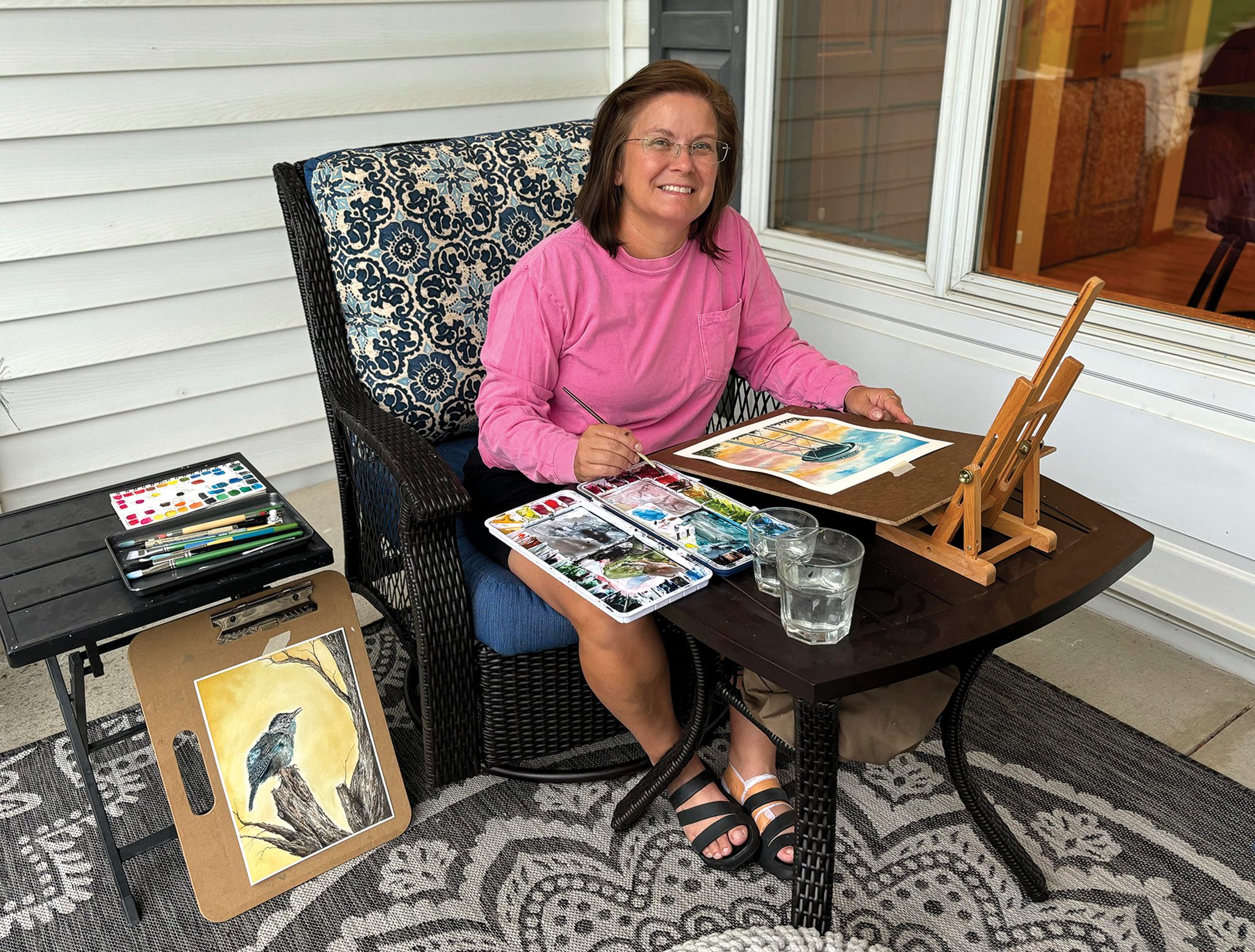
First of all, there’s where she paints: Preferably outside on her home’s front porch, overlooking the Minowa Heights neighborhood. “I love to be outside as much as possible,” Angie says. “The light is good, and the sounds are peaceful.”

Angie prefers to paint outside on her porch. / Photo courtesy Angie Herrmann

In inclement weather, you’ll find her working on one of several paintings-in-progress near the large windows in her open kitchen – a fitting location for a person who has had a 30+ year career in kitchen design. Plus, she can add a few brush strokes while supper is simmering on the stove.

“The inspiration is everyday life, and our area is such an inspiration,” Angie says.

This is obvious in the subjects of Angie’s painting: the Decorah water tower. The “Thor” sculpture at the high school athletic complex. Dogs, cats, birds – animals of all kinds. Hay bales in a field. The Upper Iowa River winding past fields, bluffs, and bridges. 

The entrance to Ice Cave in Decorah. /  Artwork by Angie Herrmann.

Becoming a Painter

Angie grew up in Marion, Iowa. She studied interior design at Hawkeye Community College in Waterloo and then moved to Decorah to work for Brown Builders, which is no longer in business, but had a showroom downtown at the time. She calls the late Willie Brown, who recruited her and became her mentor, her “Decorah dad.” This launched her into a decades-long career as a kitchen designer and project manager.

While Angie initially missed living in a bigger city, she grew to quickly love the Decorah community. And it was an ideal place for her and her husband, Scott Herrmann, a career law enforcement officer, to raise their two daughters, who graduated from high school in 2015 and 2019.

Fast forward to 2020 and the COVID pandemic. While Angie and Scott had been empty nesters, with one daughter in college and the other teaching, circumstances brought the girls home for a time. They enjoyed hiking and exploring many area parks, where they encountered Decorah Rocks, rocks painted and hidden for anyone to find and post about in a Facebook Group. Angie decided to give rock painting a try.

Pet portraits are popular no matter the canvas. / Artwork by Angie Herrmann 

“Rocks were less intimidating for a beginning painter,” she says, compared to starting with a blank canvas. “And the rocks I was painting always kept getting bigger!”

Her charming paintings quickly gained popularity as she posted pictures online. She decided to launch a Facebook page as Barefoot Studio, named after her favorite wine and because she likes to paint outside, barefoot. Requests and commissions started coming in, the most frequent of which were pet portraits, now one of her mainstays. Eventually, Angie began to paint local landmarks like Dunning’s Spring and Pulpit Rock, constantly working on her technique and growing her abilities.

These beloved local scenery paintings really connected with folks.

“It’s so interesting to hear everyone’s story of what these places mean to them,” Angie says. “They fished by Lundy Bridge with their dad growing up, or they got married at Siewers Spring or Boulder Roll or the butterfly garden, or Van Peenen was their favorite place to hike or walk their dogs.”

‘Among the Evergreens’ / Artwork by Angie Herrmann

Angie also loves to paint wildlife, especially birds and owls. “Weather the Storm,” featuring an owl on a bare branch amidst a snowy landscape, was painted as a gift for her future son-in-law. Her latest owl painting, “Among the Evergreens,” delicately layers green for a more springy effect.

Angie donates proceeds from her work to local nonprofits such as the Humane Society of Northeast Iowa and Decorah’s ArtHaus. Her big goal is to one day establish a college scholarship. 

Growing in Technique and Subject

Angie started off with tools she found most comfortable. “I started painting with acrylics – that’s why I often call it my ‘first language.’ If I don’t like it, I can paint over it easily. And I often do,” she says. She also chose to paint on a smooth surface that was part of her everyday life: medium density fiber (MDF) board, a building material that’s part of her kitchen design practice. She is self-taught, picking up techniques by watching YouTube videos, always willing to experiment and learn as she goes.

That said, when Angie was at Hawkeye Community College, pre-computer renderings, she created her interior design projects with watercolors. And in more recent paintings, Angie has started exploring watercolors again, enjoying the somewhat unpredictable play of water and color on paper.

Angie’s artwork features a variety of subjects. / Artwork by Angie Herrmann

“It’s a learning experience, and everyone needs to continue learning,” she explains. Plus, watercolors are more compact – perfect for adventures away from Iowa. “When we travel each winter to Gulf Shores beach in Alabama, watercolors are easy to take along and work on studies with a very different setting,” Angie says.

She’s also expanding her subject matter beyond landscapes and animals. “My latest inspiration is people doing the things they love,” she says. 

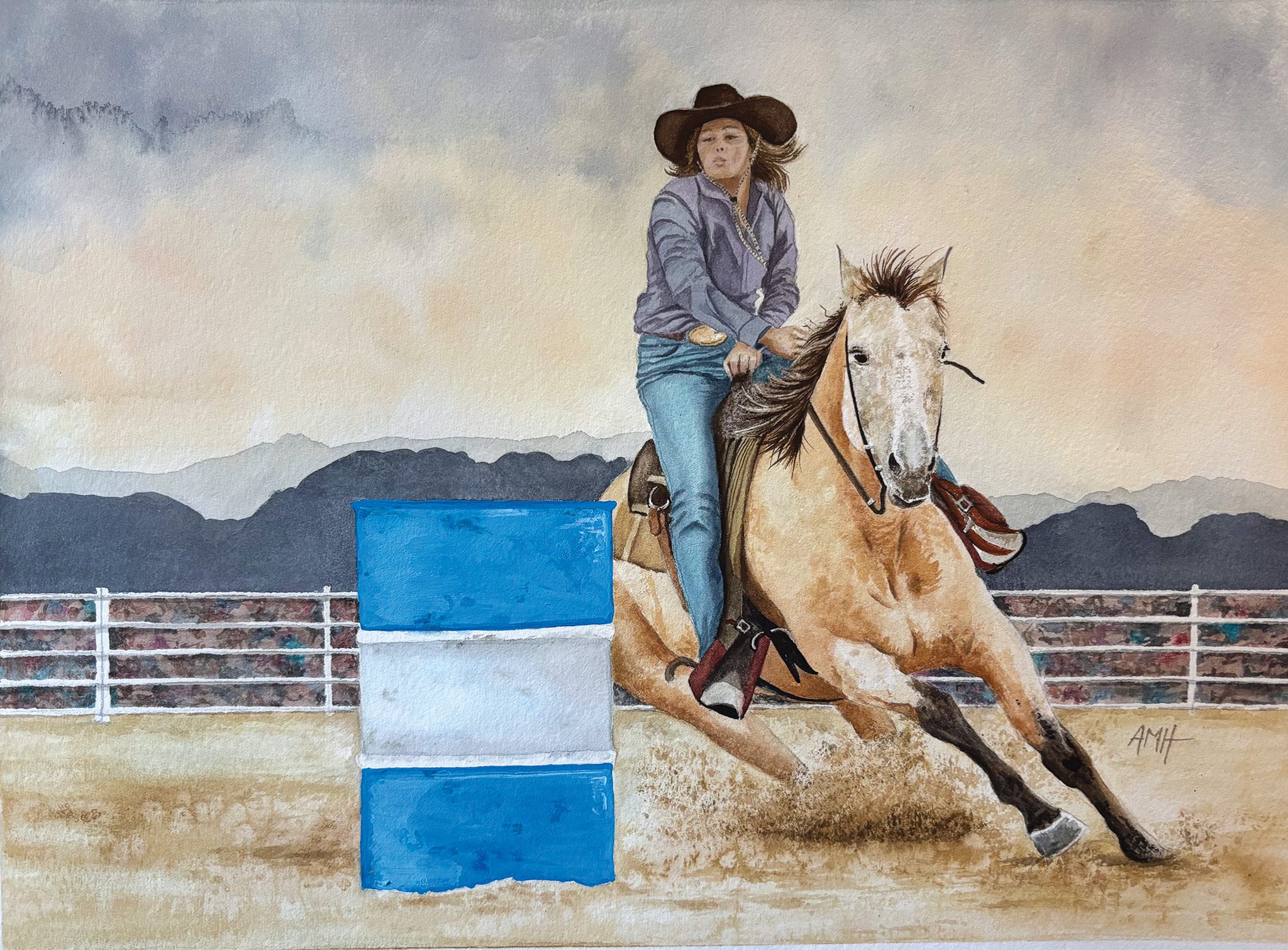
She has really enjoyed portraying people – something that seemed intimidating in the past – generally painting portraits from photos. A photo of her daughter’s niece was painted into a piece that won third place in the Iowa Artists state competition. A shot of a barrel racer at the Decorah Fire Department’s Bull Bash became a painting that gracefully captures the energy and focus of the moment the rider and horse round a bright blue barrel. And most recently, Angie finished a piece featuring Decorah’s Nordic Dancers, a challenging painting full of movement.

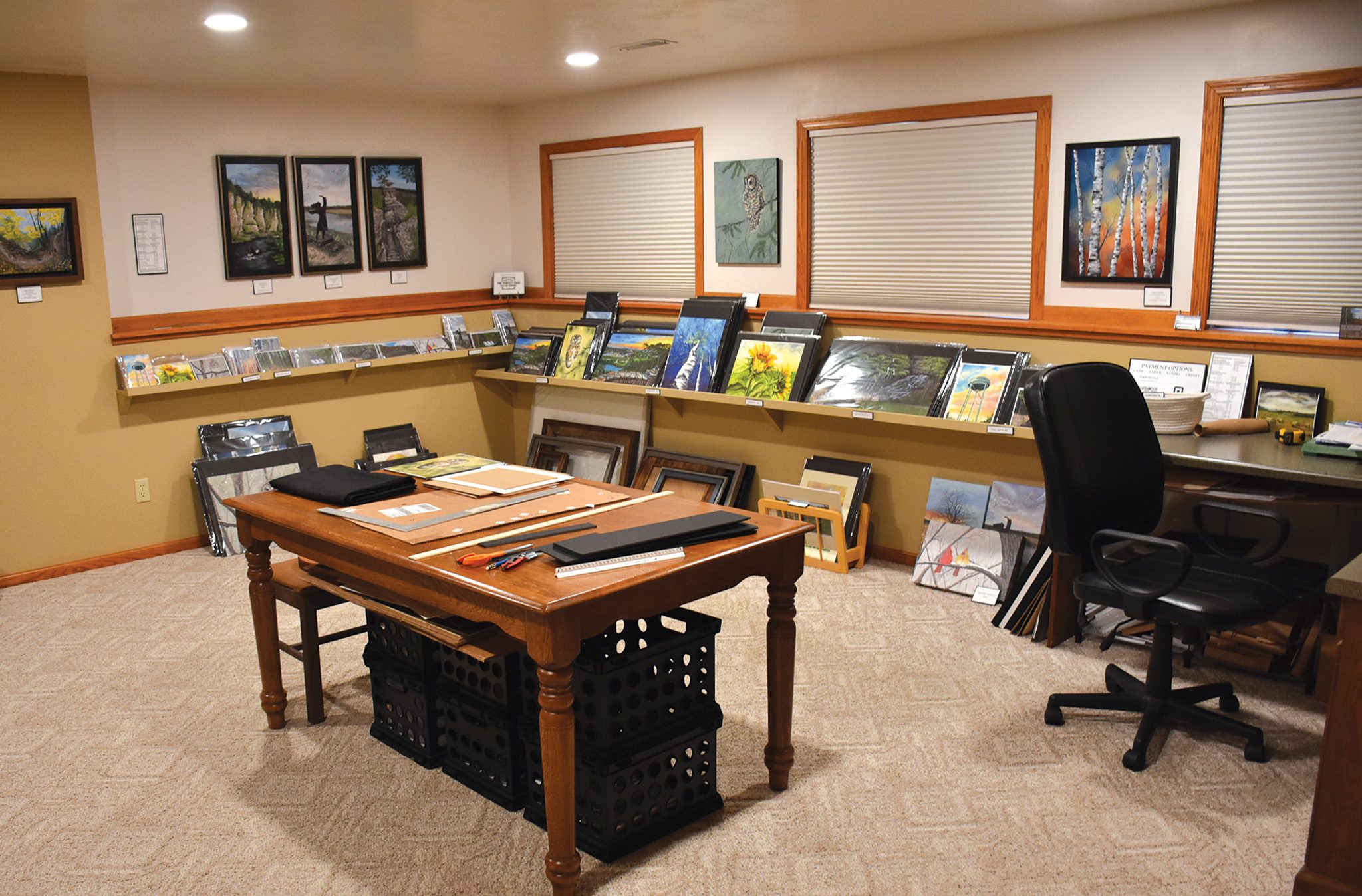
Folks can see Angie and her work in person this fall at the Northeast Iowa Artists’ Studio Tour, an annual self-guided tour that gives everyone the chance to meet artists and watch them create in their own spaces. 2025 will be Angie’s second year on the tour. Her stop will feature painting demos and a transformed lower-level gallery full of paintings for sale as well as several types of prints, magnets, and notebooks. 

Angie’s lower-level gallery will be open during the Northeast Iowa Artists’ Studio Tour.

What keeps her motivated to pursue a painting practice in addition to her full-time work? For her, it’s all about the fun of it. “I like to keep busy, and I don’t like to watch TV,” she explains. “I don’t look at the world like everyone else. I look at how the light is hitting things, taking pictures, always looking for inspiration.”

Once she’s found her inspiration, she takes delight in capturing sunflowers, birch trees, and chickadees, sun shining through petals, shadows cast on the ground, the exact geometry and color of an aging iron bridge, reflections of autumn leaves on the river.

“That’s where I’m at, always learning something new. It might be risky, it might be scary, but I just do it. People often ask me if I have a favorite painting. My answer is: I haven’t painted it yet.” 

Laura Barlament


Laura Barlament lives in Decorah, Iowa, where she works at Luther College.

NORTHEAST IOWA ARTISTS’ STUDIO TOUR 2025

Mark your calendars for the 28th Annual Northeast Iowa Artists’ Studio Tour, October 10, 11, and 12. Workspaces are open from 10 am to 5 pm each day. Five new artists will join the tour this year, opening their spaces along with long-time exhibitors for 36 artists in total. This free tour offers behind-the-scenes studio views at 29 locations all within 40 miles of Decorah, Iowa. Set your own pace as you drive yourself around the Driftless to check out and purchase awesome local pottery, paintings, woodcuts, baskets, jewelry, woodworking, sculpture, collage, fiber arts, and more. Find a tour map online at iowaarttour.com.

Amber Miller

Different stages of life, like the seasons, require transformation. Just as trees shed their leaves, sometimes we must shed our identities to make space for new growth.

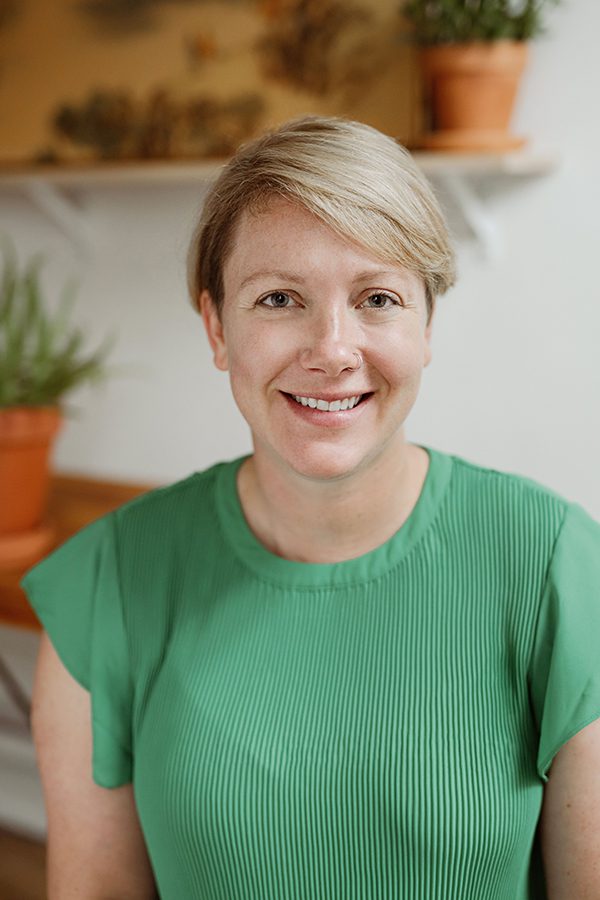
Amber Miller at Angel’s House of Healing. / Photos courtesy Amber Miller

Amber Miller, founder of Angel’s House of Healing in La Crosse, Wisconsin, knows that support for women going through this transformation after addiction and trauma is a critical – and scarce – resource. 

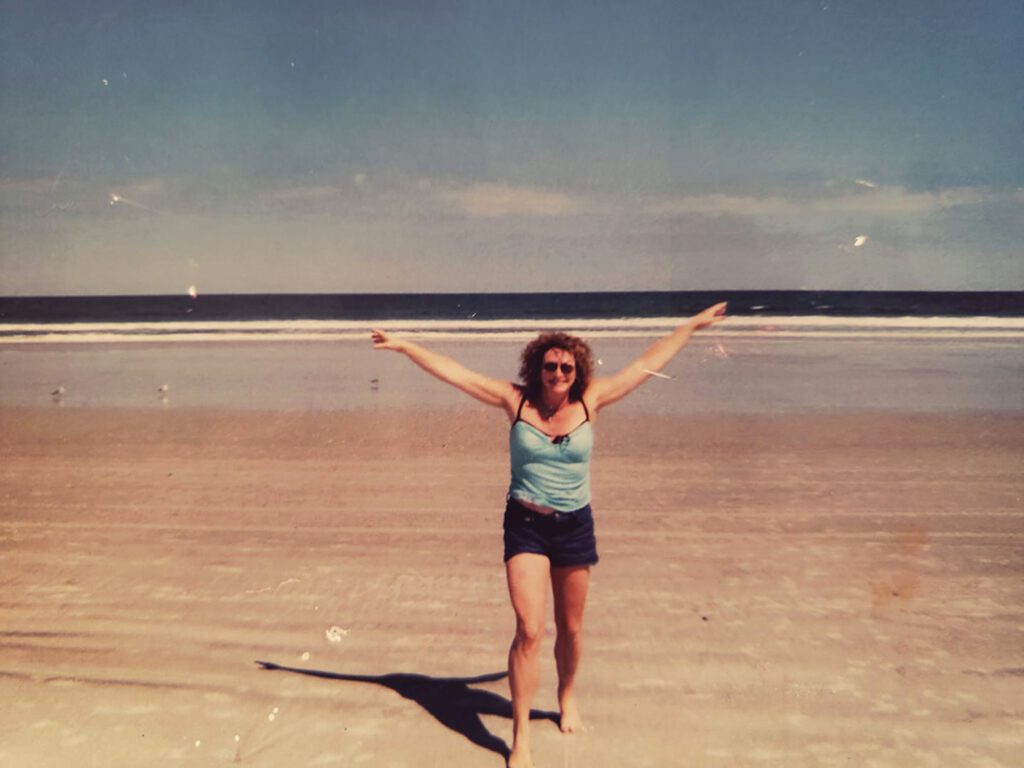
Amber experienced this struggle firsthand. Her mother, Angel, passed away after years of suffering from alcoholism and unhealed trauma. Amber faced the same battles herself, but she found sobriety after 11 long years. 

Over those years, Amber gathered valuable insight into the world of recovery and saw ways it could improve. She found that most traditional recovery options – like rehab – focus on sobriety but don’t look at the underlying causes of addiction.

“What frustrates me the most is how outdated and ineffective so many of the current recovery systems are,” Amber says. “Women are stuck in a cycle that only perpetuates the problems instead of offering real solutions. It’s disheartening to see how few options there are for women who truly want to change.”

Named for Amber’s late mother, Angel’s House of Healing is a sober transitional living facility and recovery center for women ages 18-55. And it is definitely filling a need in La Crosse. There were previously two sober living homes for women in the area, but both closed due to lack of funding. Without a transitional housing option after rehab, it’s easy to fall back into the same patterns and succumb to old habits, Amber says. “The reality is most women in our community leave treatment and go right back to the same environment they came from – an environment that often contributed to their struggles in the first place.”

Through community support in a compassionate, growth-oriented environment, Angel’s House is set up to build a new narrative for women trying to heal. “I want Angel’s House of Healing to meet women where they are and provide the tools they need to transform their lives,” Amber says. “It breaks my heart to see so many women – and people in general – believing they can’t change.” 

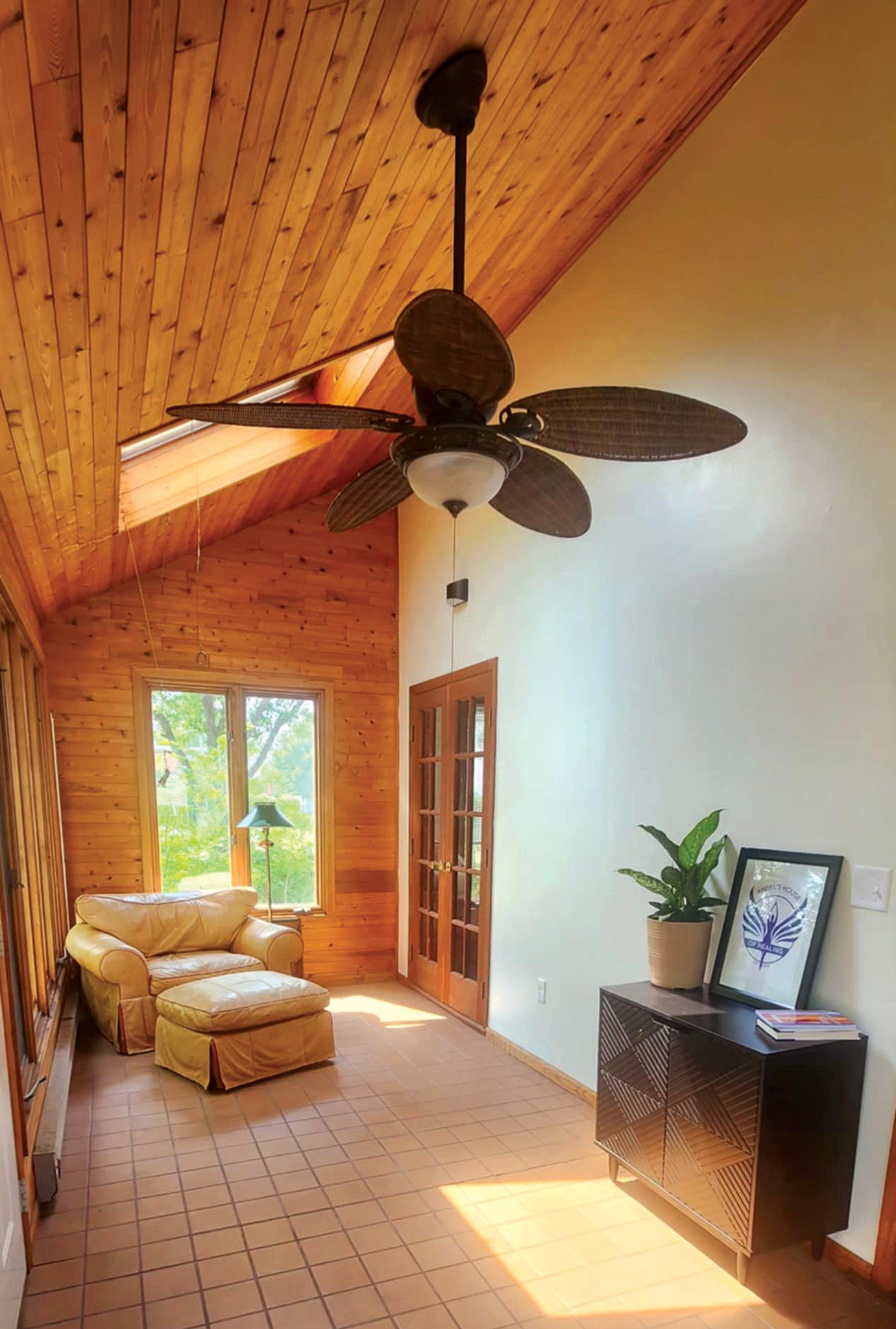
The house itself, a warm, welcoming two-story home in La Crosse, is furnished with quiet, peaceful spaces for residents and on-site amenities like laundry, utilities, Wi-Fi, video surveillance, and of course, recovery programming and resources. While length-of-stay will depend on the individual, Amber estimates many will reside at Angel’s House for six to 12 months. Programming has been developed based on what Amber has learned while working with life coaches, participating in retreats, and diving into personal development with books, seminars, and videos. The approach is a holistic one, focused on mind, body, and spirit through counseling and mentorship.

“I’ve worn many hats throughout my life. From babysitting and bartending to being an X-ray tech, a life coach, and a real estate investor, I’ve tried it all. Each experience taught me something unique,” she says. “My journey has been about trusting myself and taking leaps into the unknown. My life experience has been my greatest education.”

She hopes Angel’s House of Healing, which welcomed its first guests in June 2025, will create an environment women need to realize their potential. “I believe these women are the ones who will lead the next phase of humanity,” Amber says. “They’ve already proven their strength, and they just need the right environment to help them step fully into their power.” 

Angel’s House is committed to drug and alcohol-free living and to supporting women who are building new lives for themselves. They welcome women in recovery, on probation, transitioning out of treatment, or leaving unstable living situations. “Angel’s House is a safe, empowering space where women can begin their journey to self-discovery. We support them in shedding old identities, developing new, healthy ones, and learning to live life authentically. This is a place where women are celebrated for every step they take,” Amber says. “It’s more than just a sober living home – it’s a community designed for personal transformation and healing. We help them practice boundaries, regulate their nervous systems, and thrive in an environment that nurtures their growth.” 

At Angel’s House, Amber wears many hats once again. She manages the house, handles behind-the-scenes details, meets with the community, and gives tours. “My absolute favorite part is connecting with the women, both individually and as a group. That’s where the real magic happens,” she says.

While there is currently no staff, Amber does have an amazing group of volunteers, dubbed “Angels on Earth,” who help with administrative work, organizing events, creating resources for the women, and more. Some also bring their own practices into the house, offering workshops on breathwork, meditation, art, or other therapeutic activities, says Amber. “And many are involved in simply being there for the women – whether that’s through mentorship, support, or sharing their own personal stories of healing.”

Support from the larger community has also been pivotal in the opening of Angel’s House. Local businesses, non-profits, medical facilities, and area leaders have all helped establish Angel’s House as an integral part of the La Crosse community. “Healing doesn’t happen in isolation,” Amber says. “It takes a community to heal, and that’s what we’re building here.” 

The first few months of operation have been successful, supporting Amber’s big dreams for the facility. She hopes that someday Angel’s House will expand beyond La Crosse. Additionally, she has an idea for an alumni network that will offer additional support after women leave the house. “Ultimately, I want it to be the gold standard in sober living and transformation.” 

As she continues her journey, Amber focuses on providing an environment and resources that many women – like her mom – were not afforded. She doesn’t want the women she serves to just survive. She wants them to thrive by giving them space to “grow, heal, and find their purpose” inside the welcoming walls of Angel’s House. 

Headshot of Sara Walters

Sara Walters

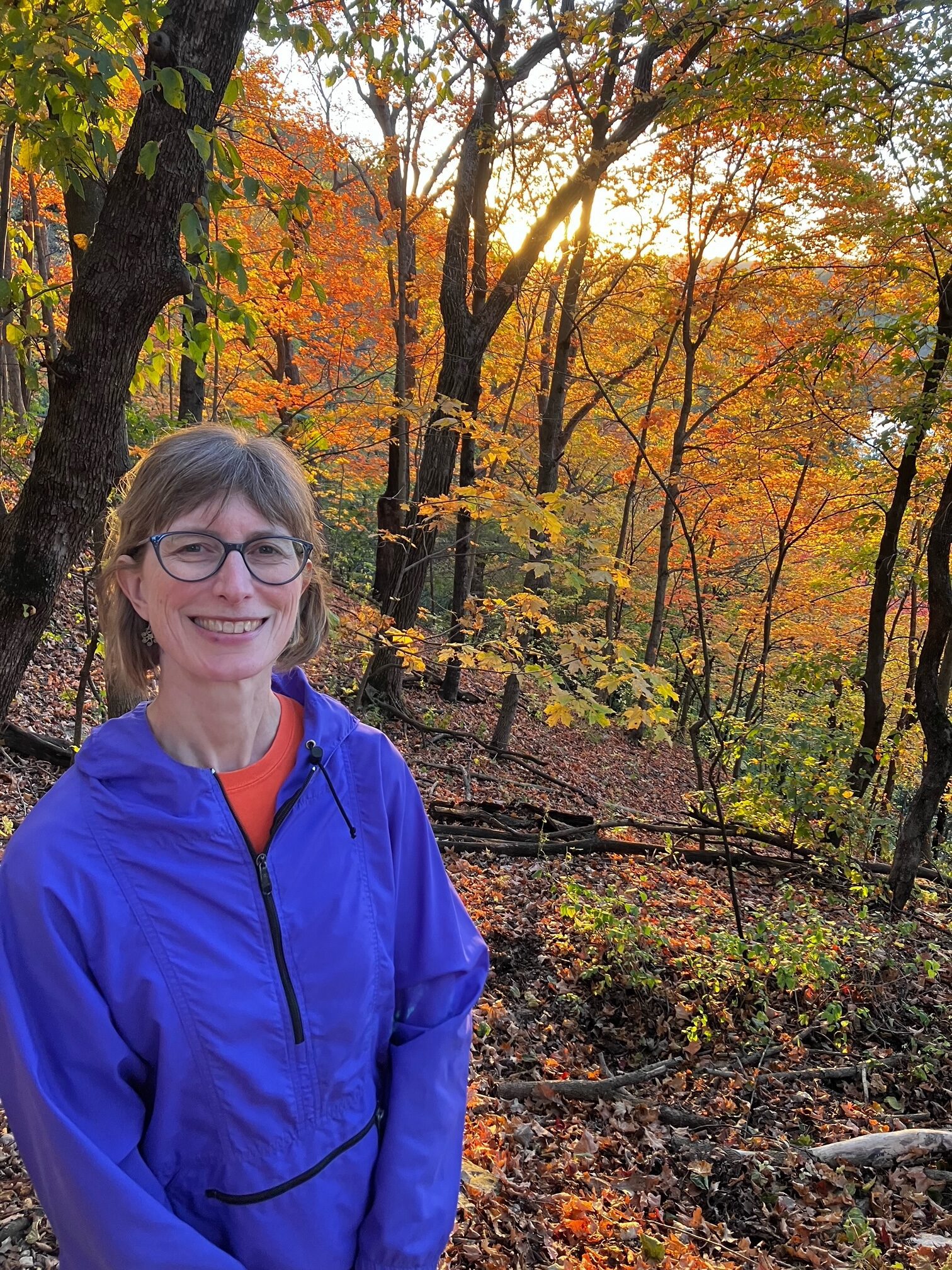
Sara Walters is a writer based in La Crosse, Wisconsin. She has been a contributor to Inspire(d) since 2018. 
Secret Link