Mary (Anderson) Patterson, born on Christmas Day (December 25, 1923), is 102.5 years old, currently living in Oskaloosa, Iowa. Growing up, she was one of six kids. She is a beloved mother, grandmother, and great-grandmother and always has a positive outlook and something inspiring to say. Fun fact – her name was supposed to be Patricia, but when she was born on Christmas, her Swedish Lutheran grandfather suggested her name should be Mary. She’s a practical woman who doesn’t talk much about herself, so Lise (Mary’s eldest daughter) added some extra details to some of the questions below.
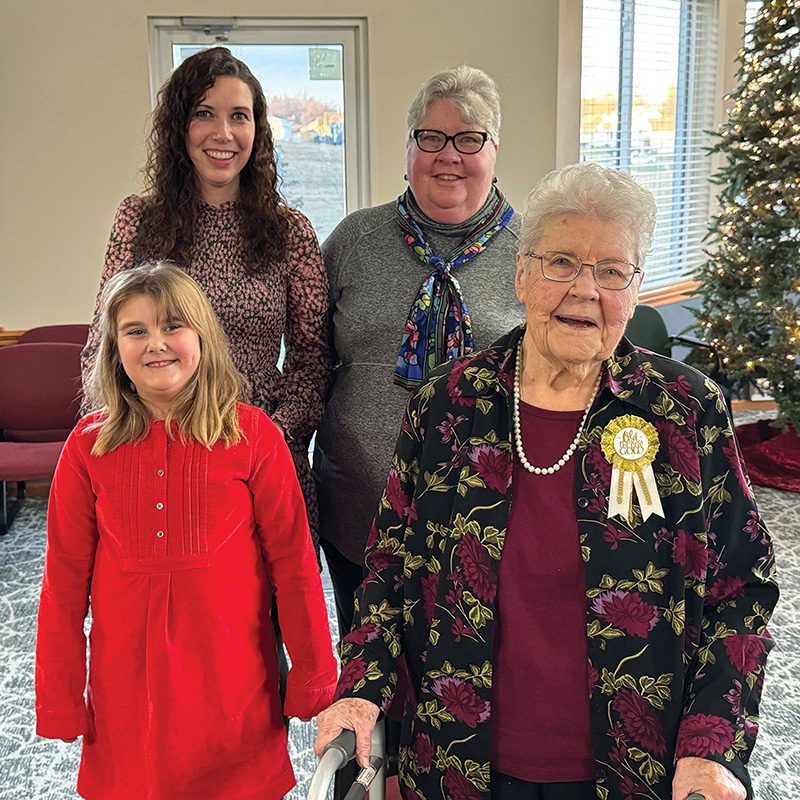
Four generations! Mary on her 100th birthday (Dec 25th, 2023) with daughter Lise, granddaughter Siri, and great granddaughter Maisie. / Contributed photo
What’s the best advice anyone ever gave you?
Don’t undersell yourself. All you need to do is take the first step and the rest will follow as you go.
What did you want to be when you grew up?
I wanted to work with cooking and nutrition from the age of nine and up!
Lise adds: And she did! She was a canning expert and was teaching grown women how to can food when she was 9 years old. Her Irish Catholic and Swedish Lutheran grandmothers were professional cooks in Sweden, La Crosse and St. Paul.
What did you do for work?
I did informal teaching of nutrition to groups and individuals through the extension office at Iowa State University.
Lise: Mom raised four kids (including myself) for ten years, then had a career as a home economist, which means she taught people how to cook, clean, and can food, and how to run a household. She also taught Headstart for a couple of years, was a judge for 4-H, volunteered for Habitat for Humanity (and once met Jimmy Carter and his wife), and was involved with the Heifer Project International after retirement!
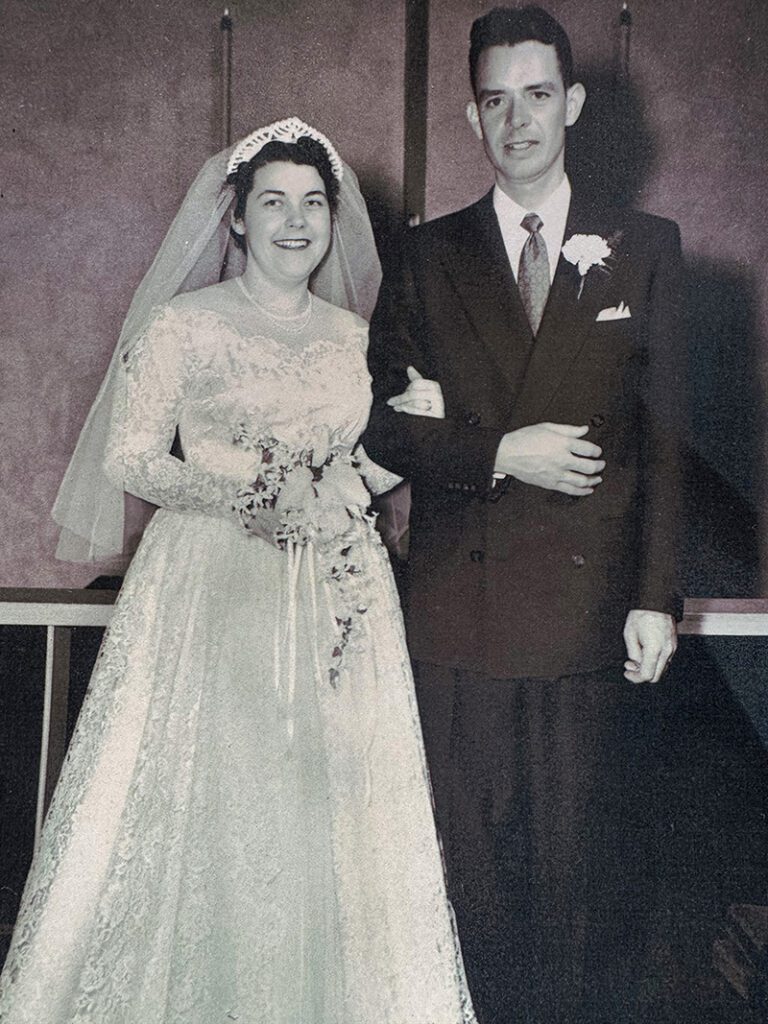
Mary and John got married on Feb 21, 1953. / Contributed photo
If you were stranded on a desert island, what three things would you want with you?
The Bible for reading, a shovel for digging, and some sturdy walking shoes!
Lise: Not sure if the shovel is for digging for clams or buried treasure – she’s so practical!!
Describe yourself in one sentence:
Interested in learning – through reading, TV and so forth.
Lise: Mom was a voracious reader until her eyesight declined – she enjoys watching Iowa Public Television, and when I was a kid, she often listened to home-ec shows and Twins games on the radio in the 1960s.
If you could eat one thing every day for the rest of your life, what would it be?
Potatoes first!
Lise: Her father was a Swedish Lutheran potato farmer!
One thing you can’t live without:
Good memories. One of my favorite memories is of John (Mary’s late husband) lying on the floor with all four of our kids climbing all over him.
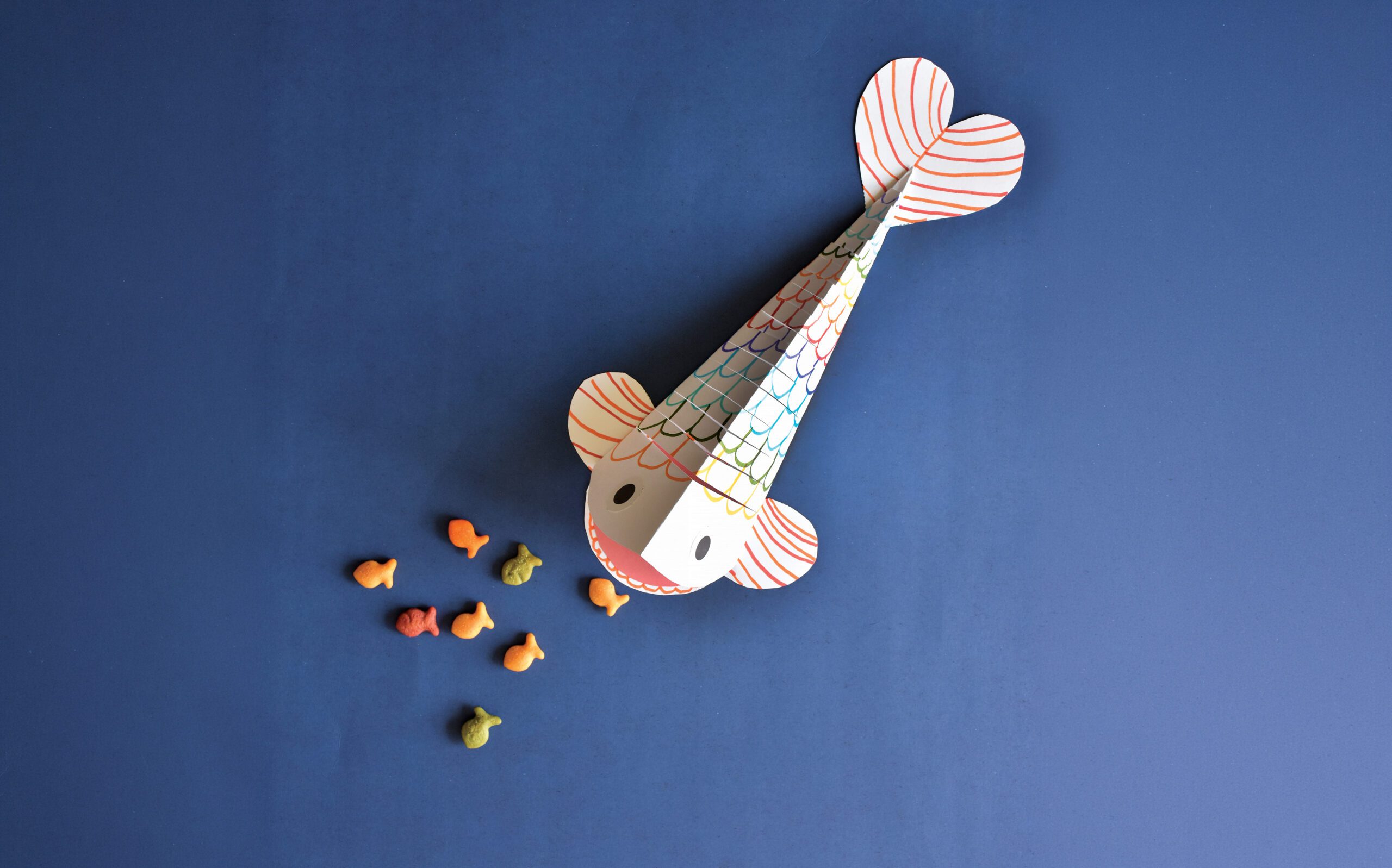
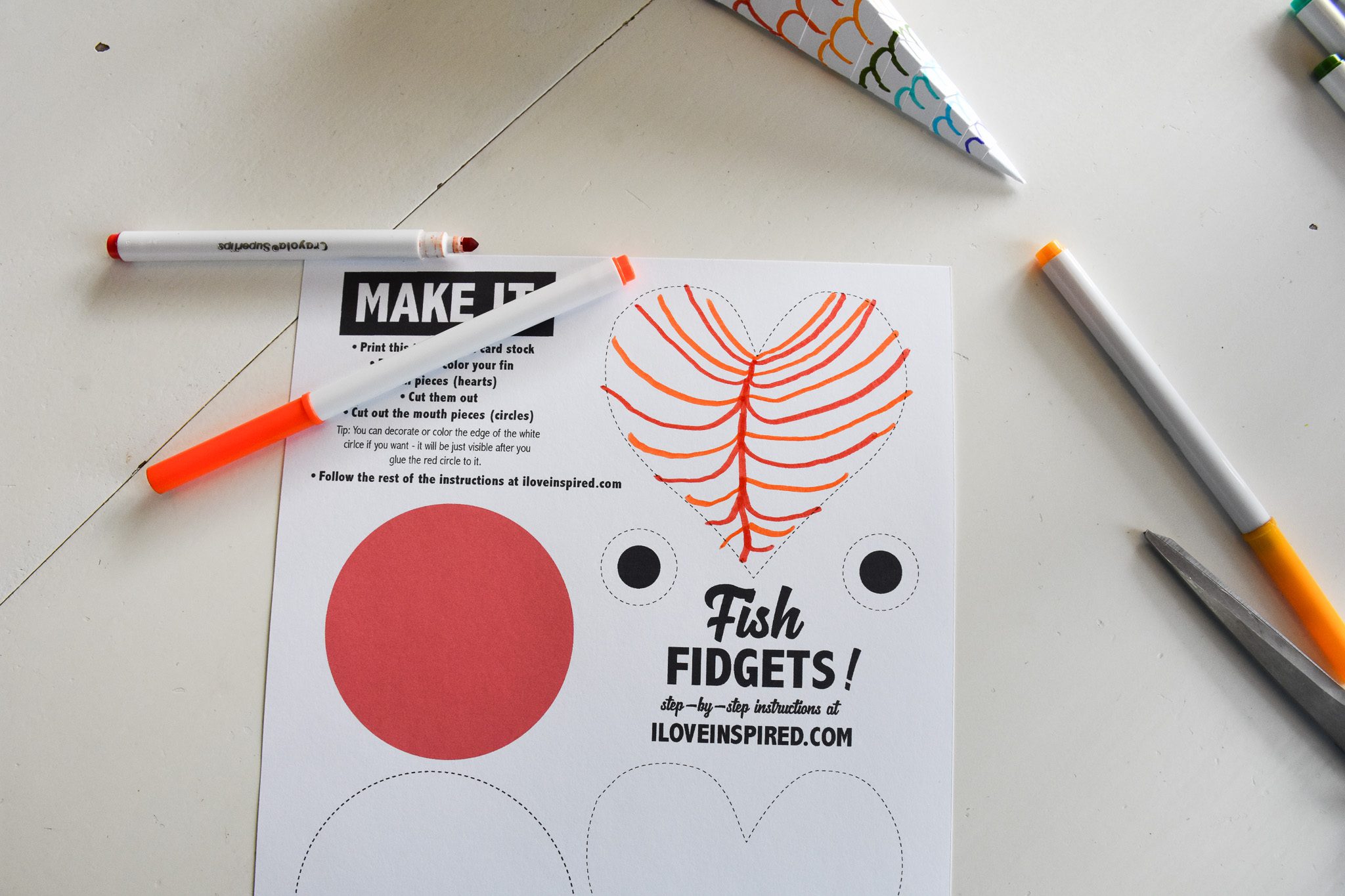
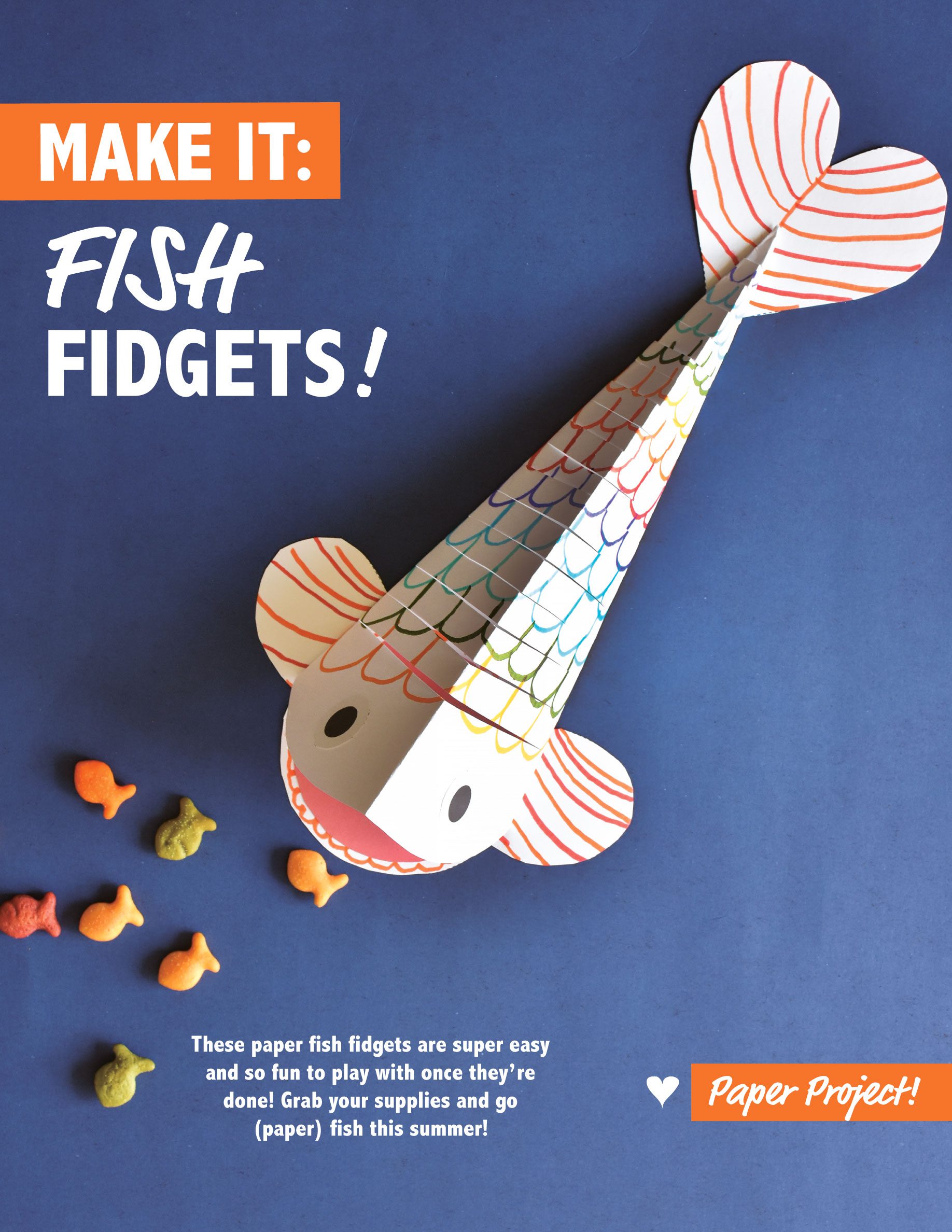
These paper fish fidgets are super easy and so fun to play with once they’re done! Grab your supplies and go (paper) fish this summer!
Supplies:
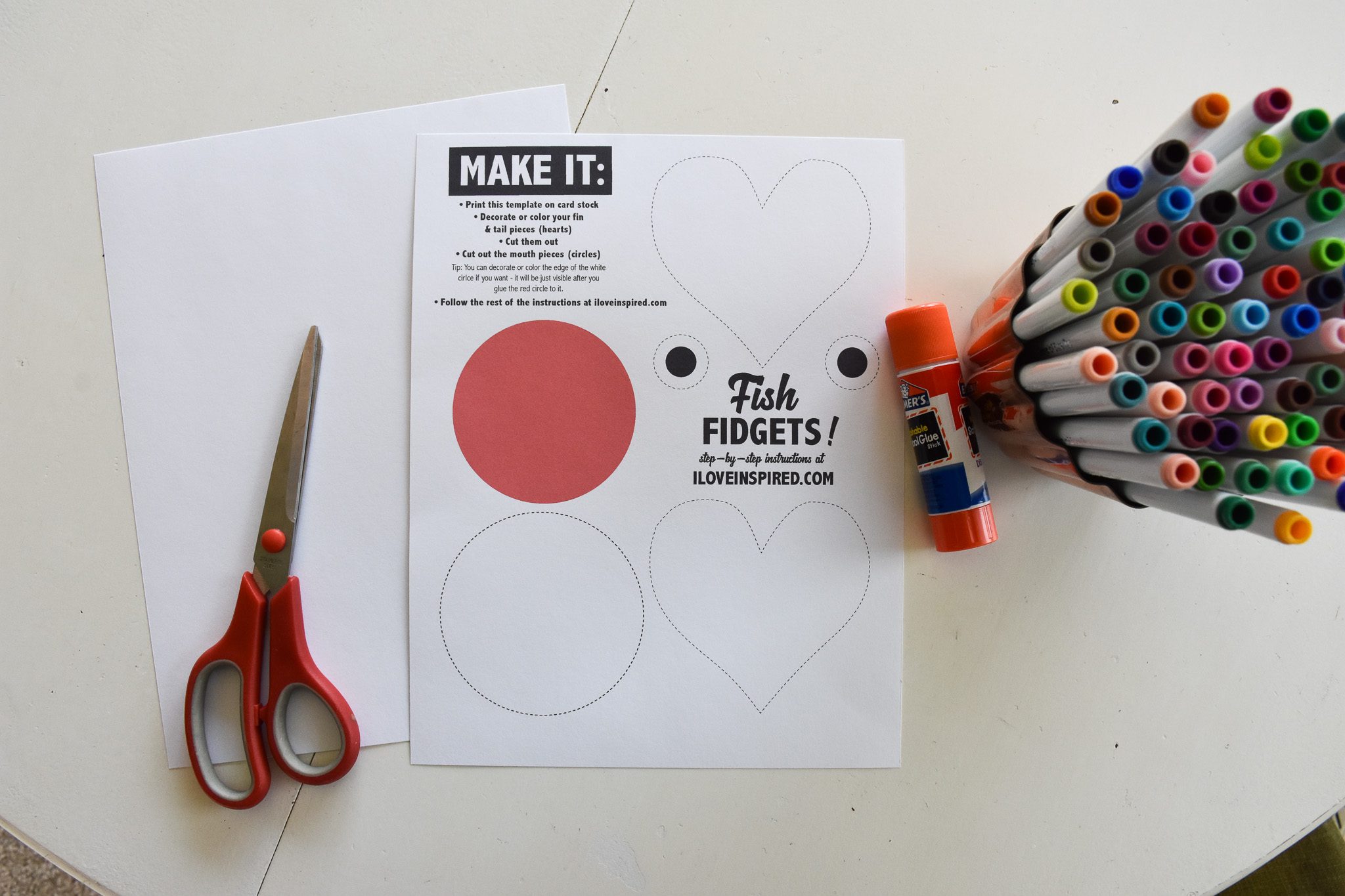
Two sheets of 8.5 x 11 card stock (I used white) Fish Fidget parts page (download page here) Scissors Markers or colors Glue stick
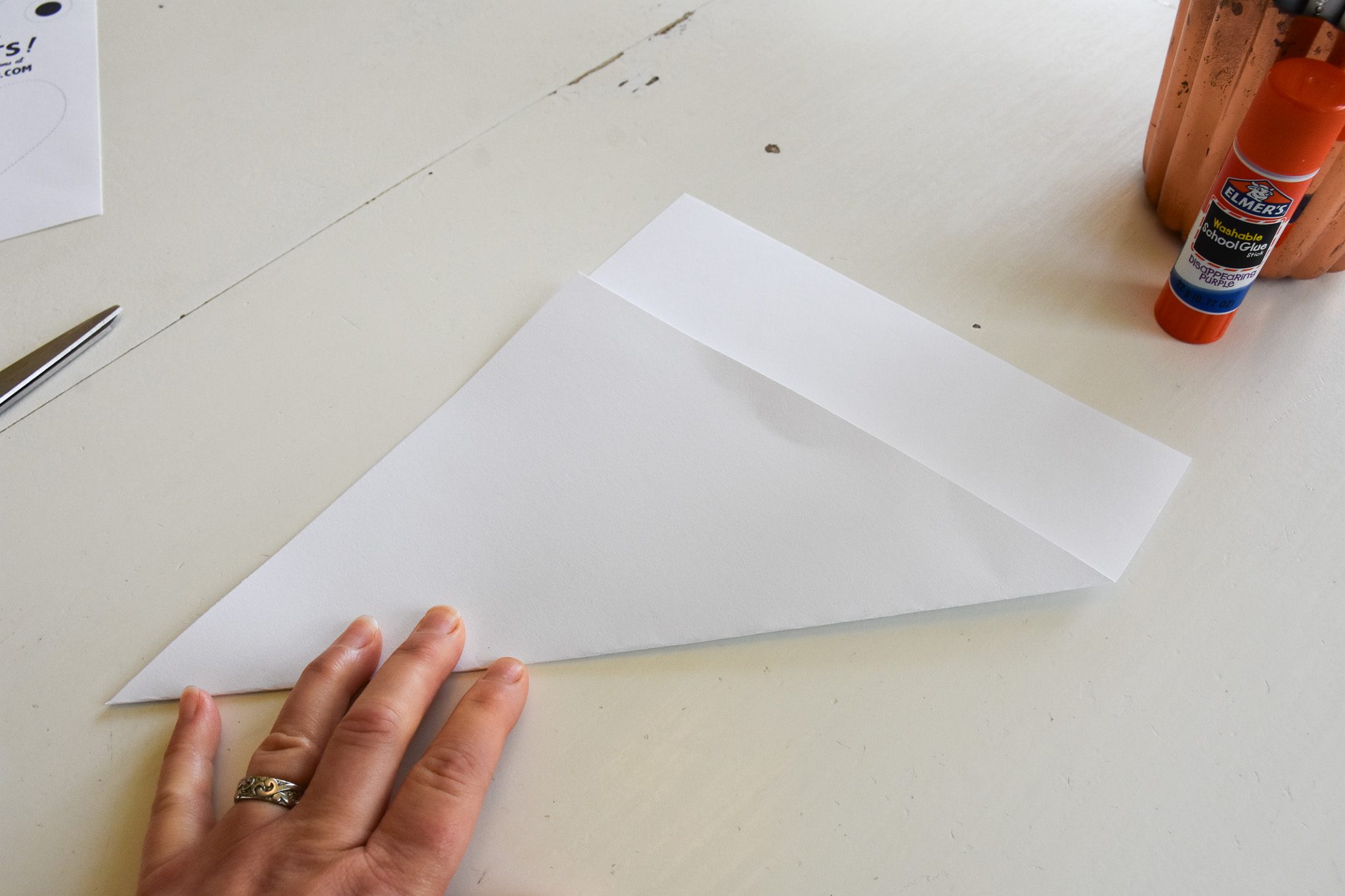
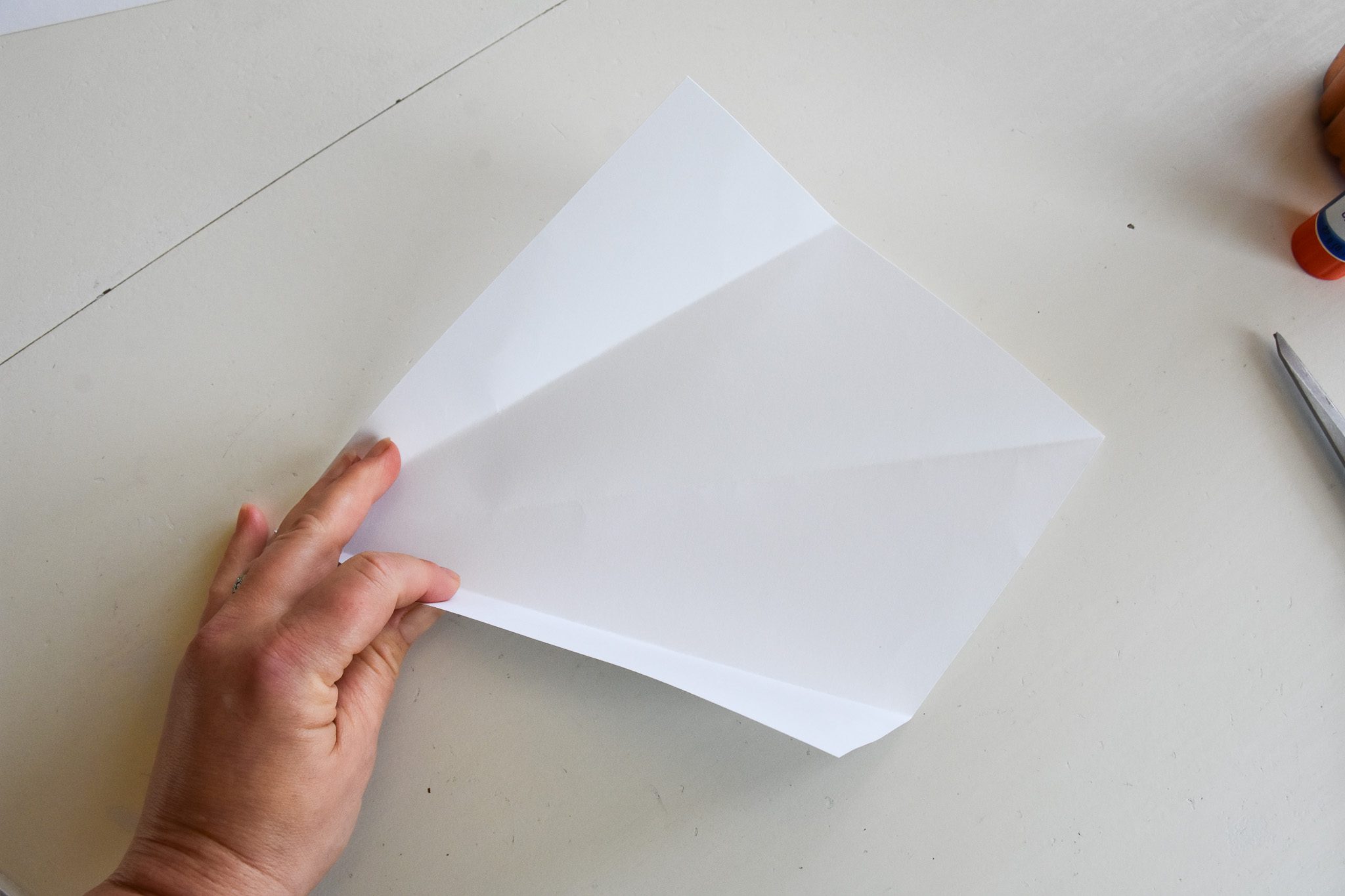
Take one sheet of card stock and fold one corner up so it’s even on the left side (we’re trying to make a square sheet of paper).
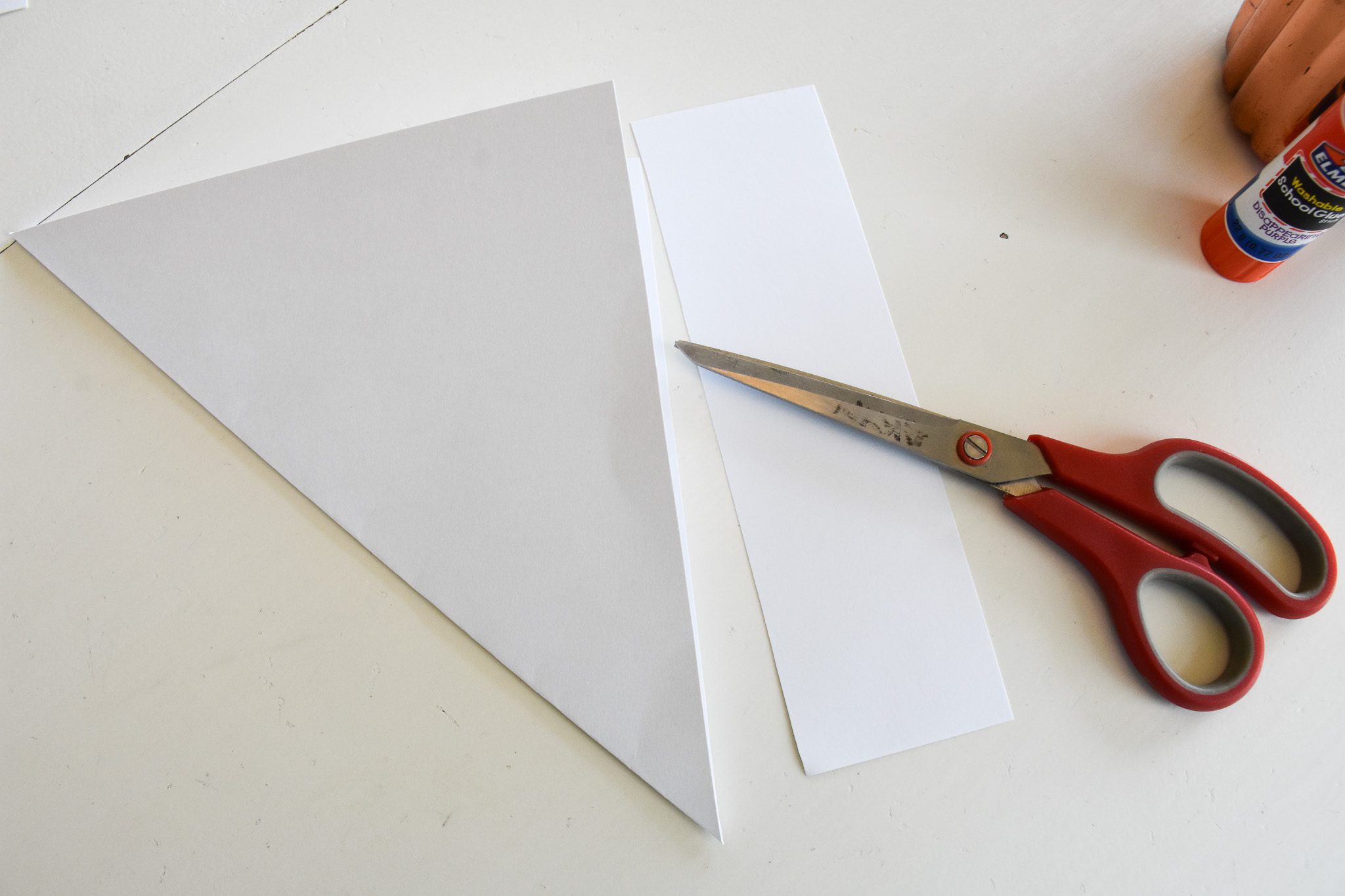
Cut off the excess bit of paper (so now you have a square!).
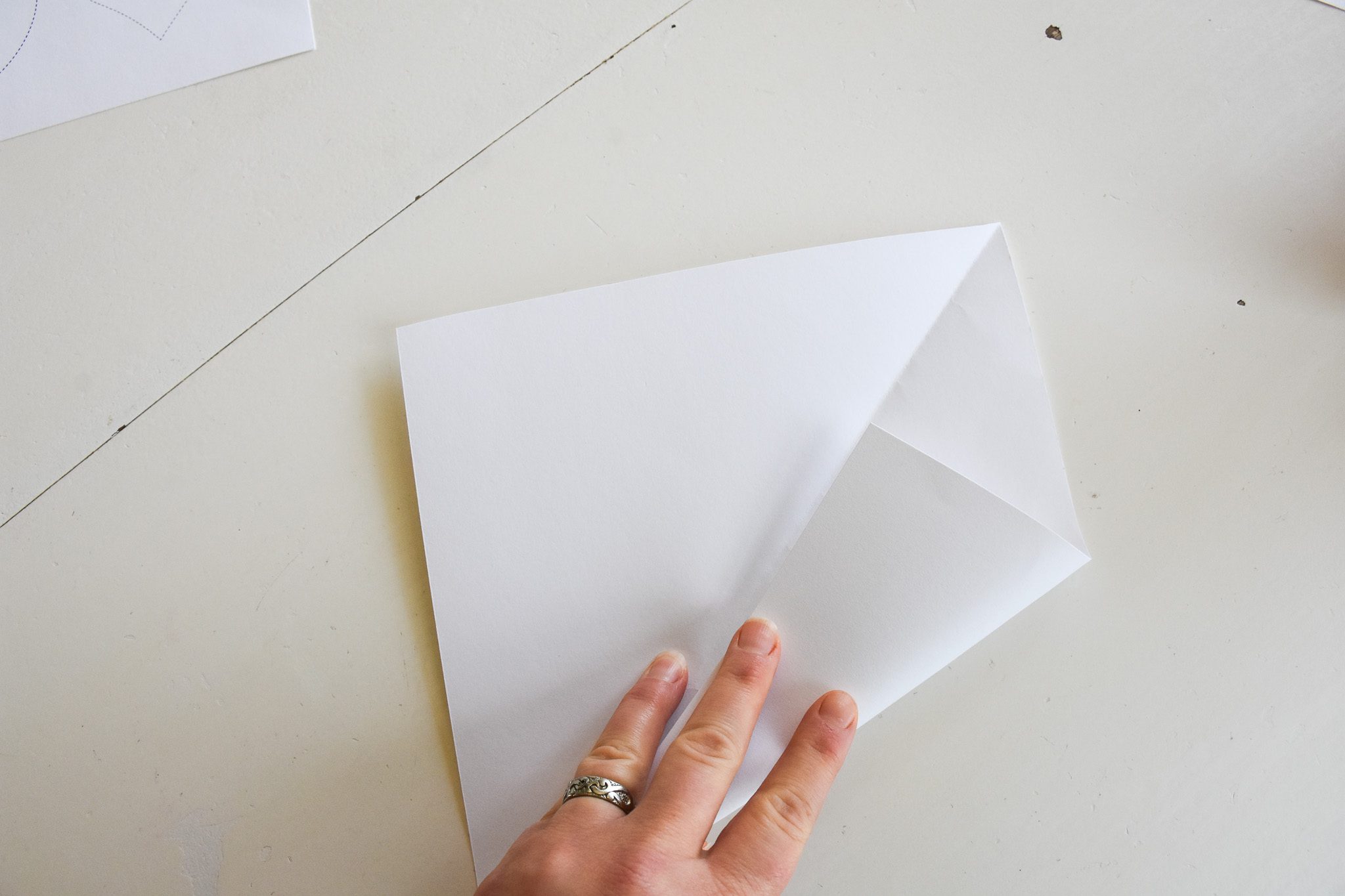
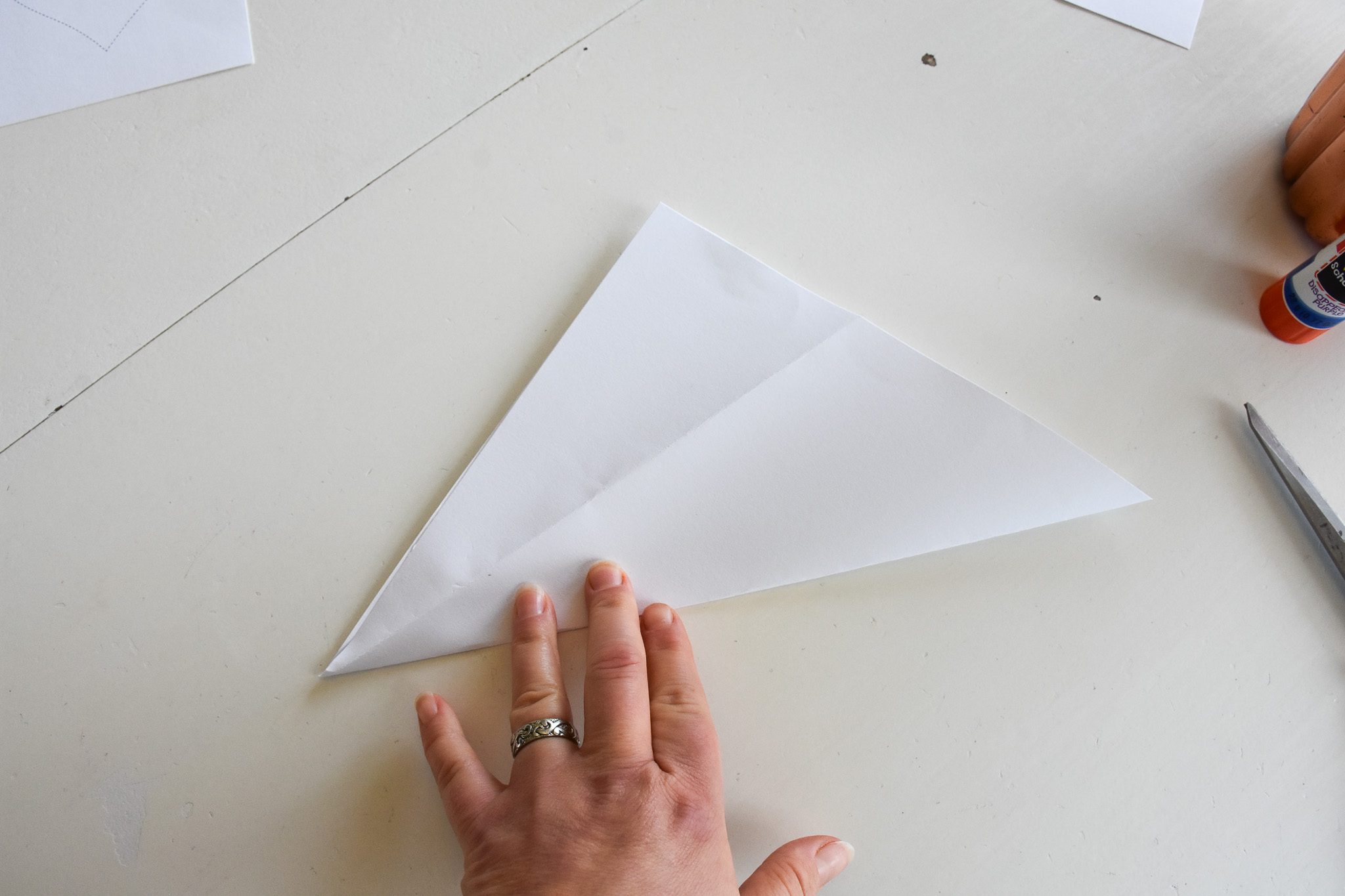
Open the square up and fold one side into the middle fold (reminiscent of making a paper airplane).
Fold the other side to match.
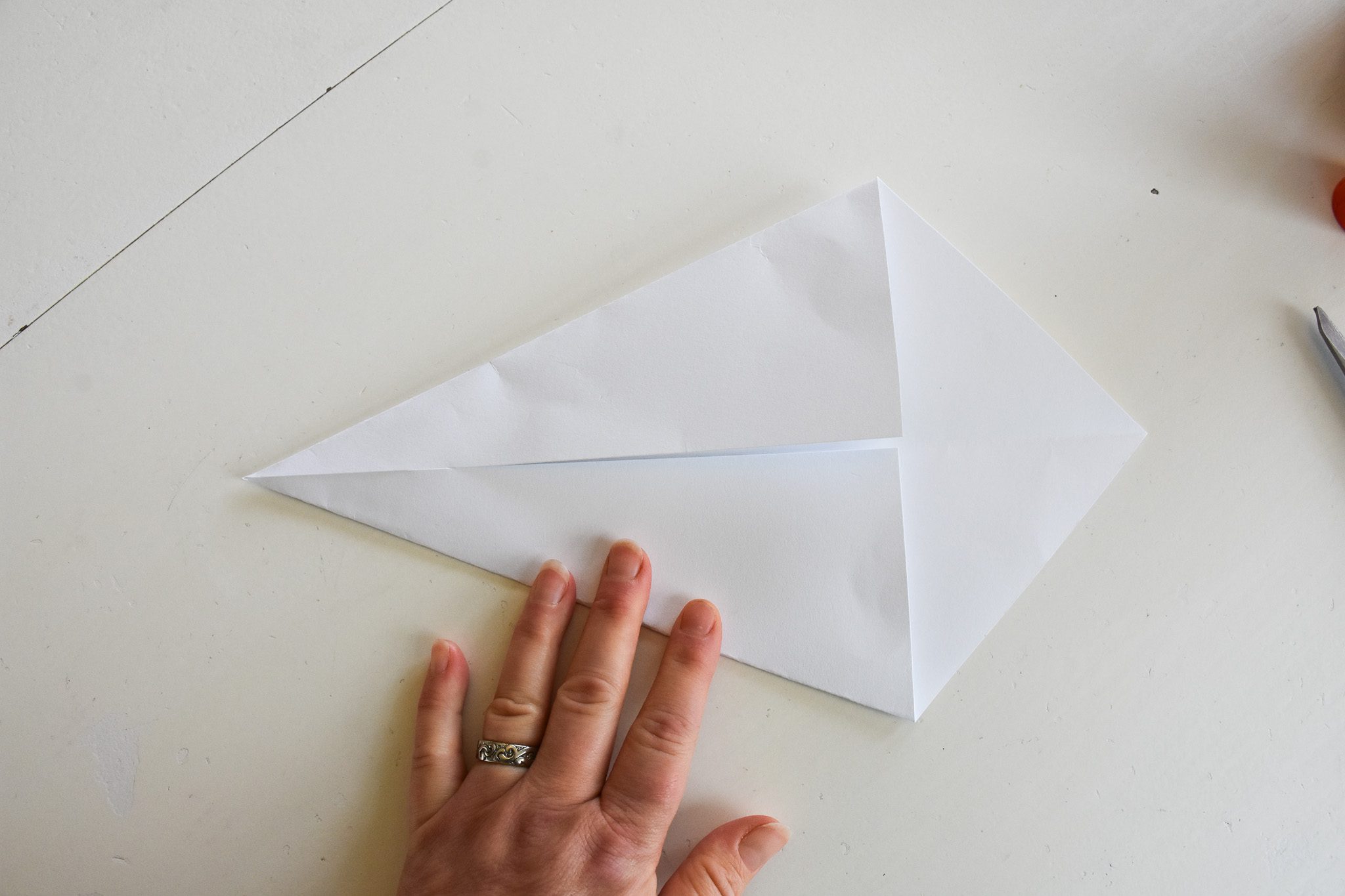
Open it back up.
Fold it corner to corner again.
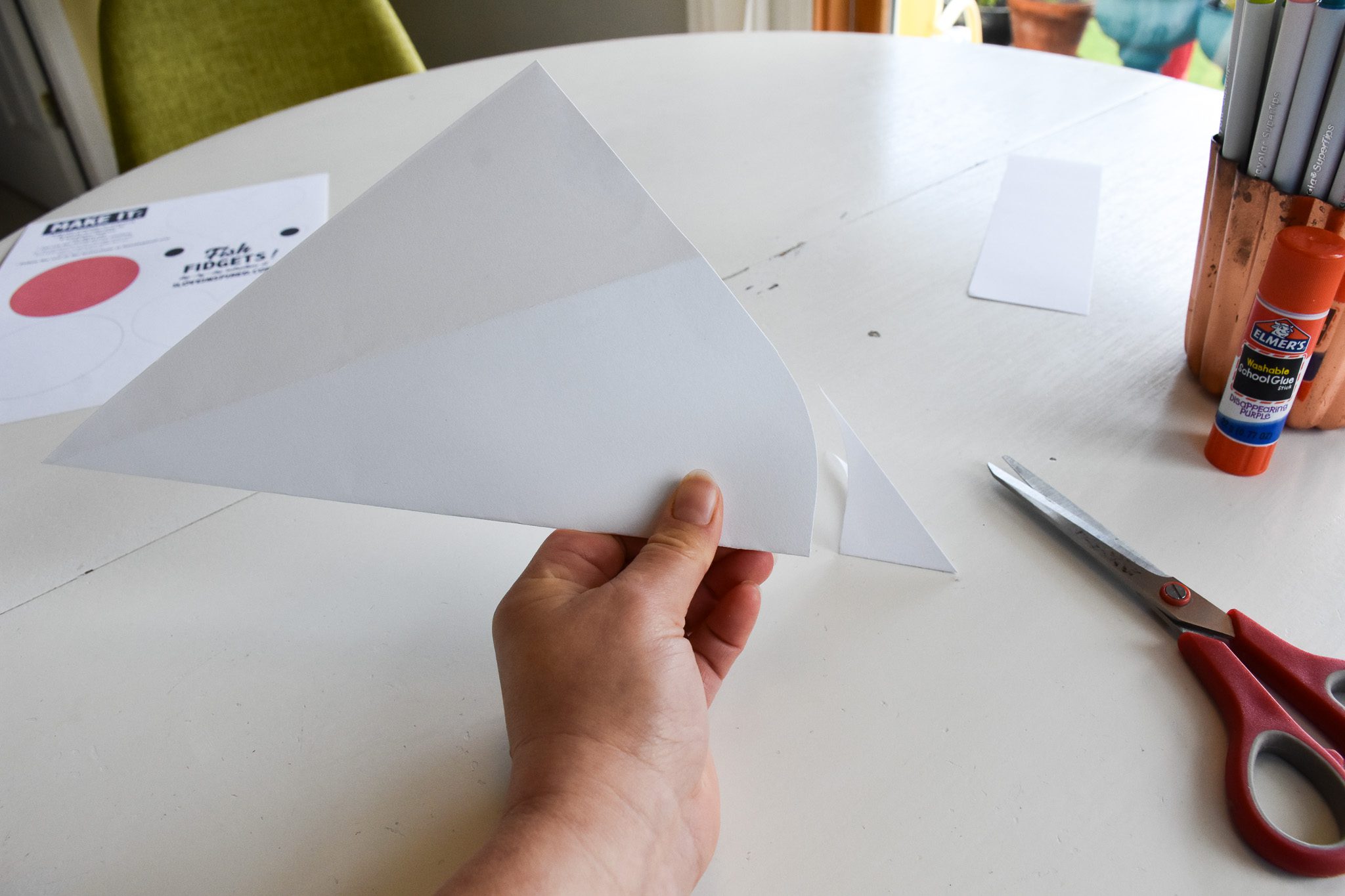
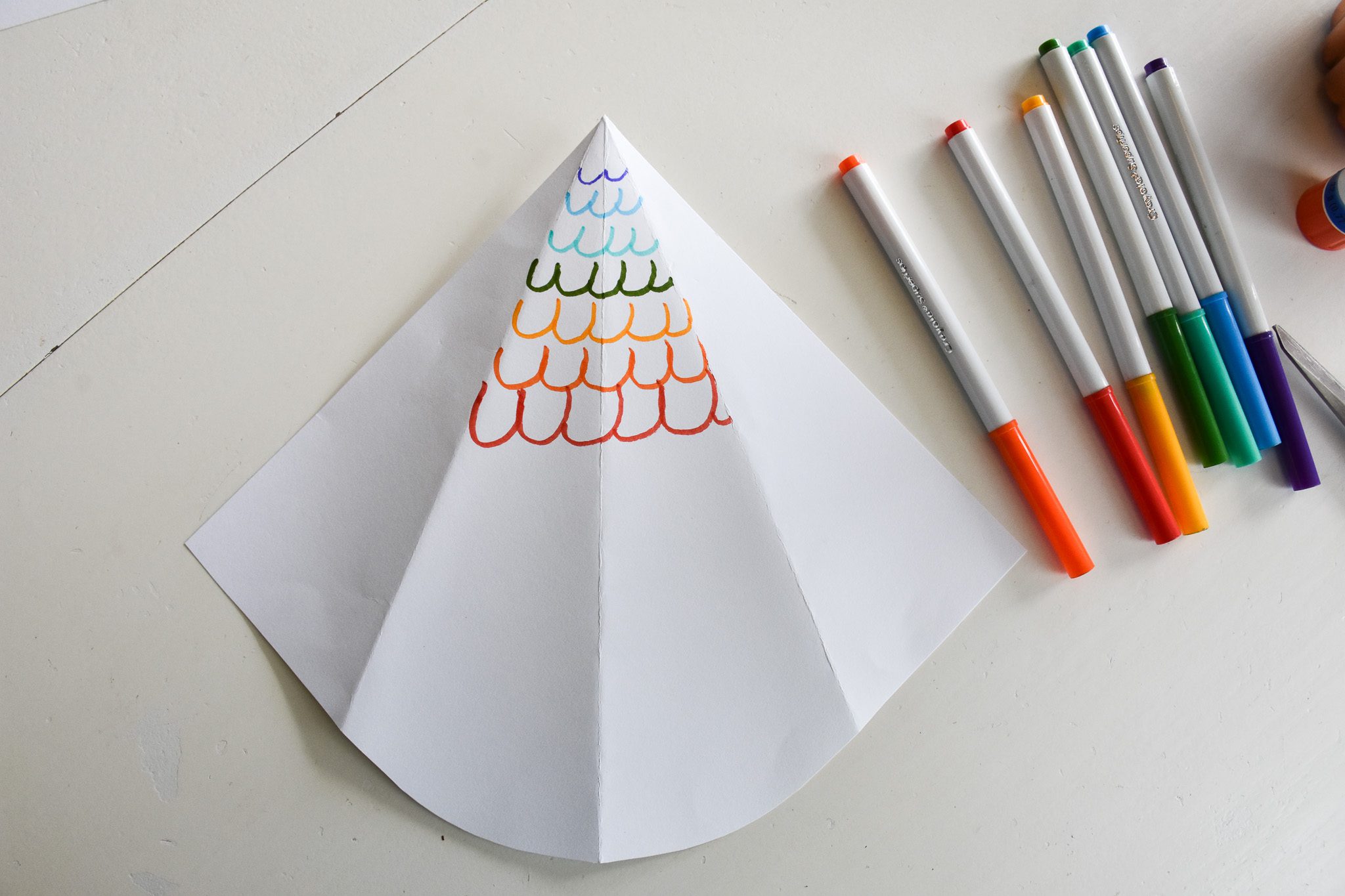
Round the corner off with your scissors (the corner that meets in the fold). This will be the face of the fish.
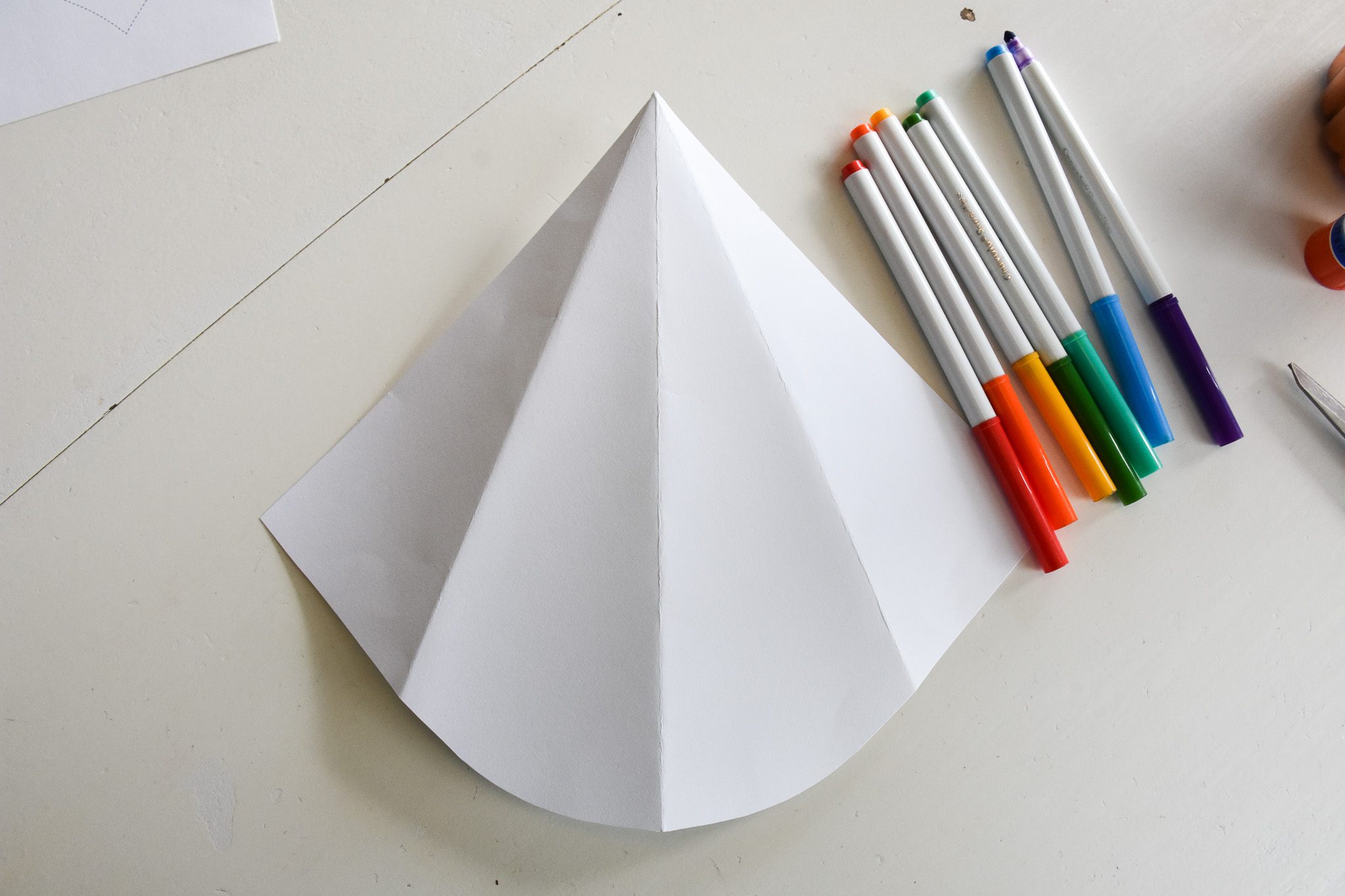
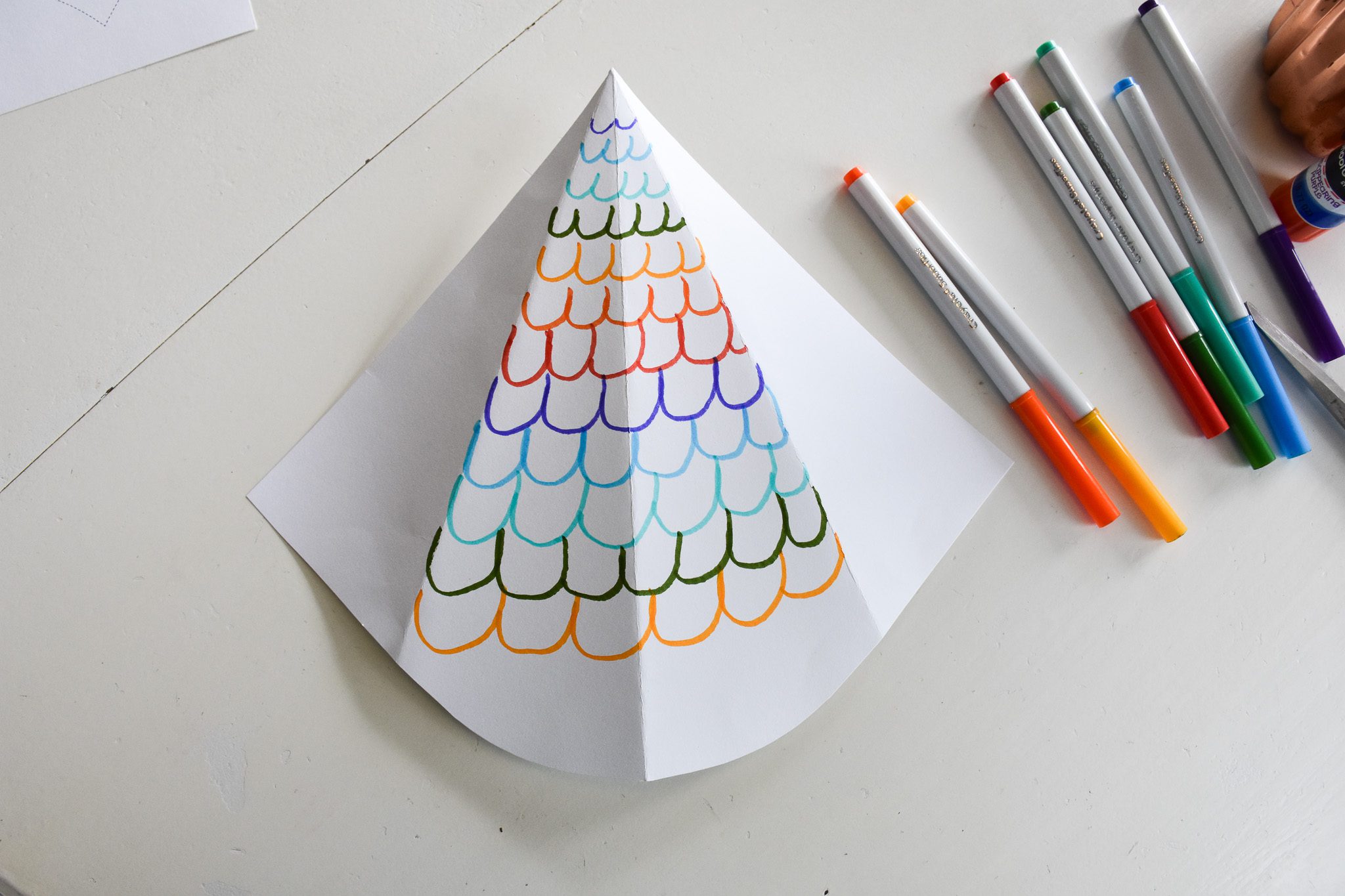
Get your colors ready and open the square back up so you can decorate your fish!
Add on your decorations. Note: I looked up what direction I should put the fish scales, but I totally still put them the wrong way. I still thought it looked fun, so I just went with it!
Leave room for the face (or decorate your fish with the face in mind) – we’ll add the eyeballs there!
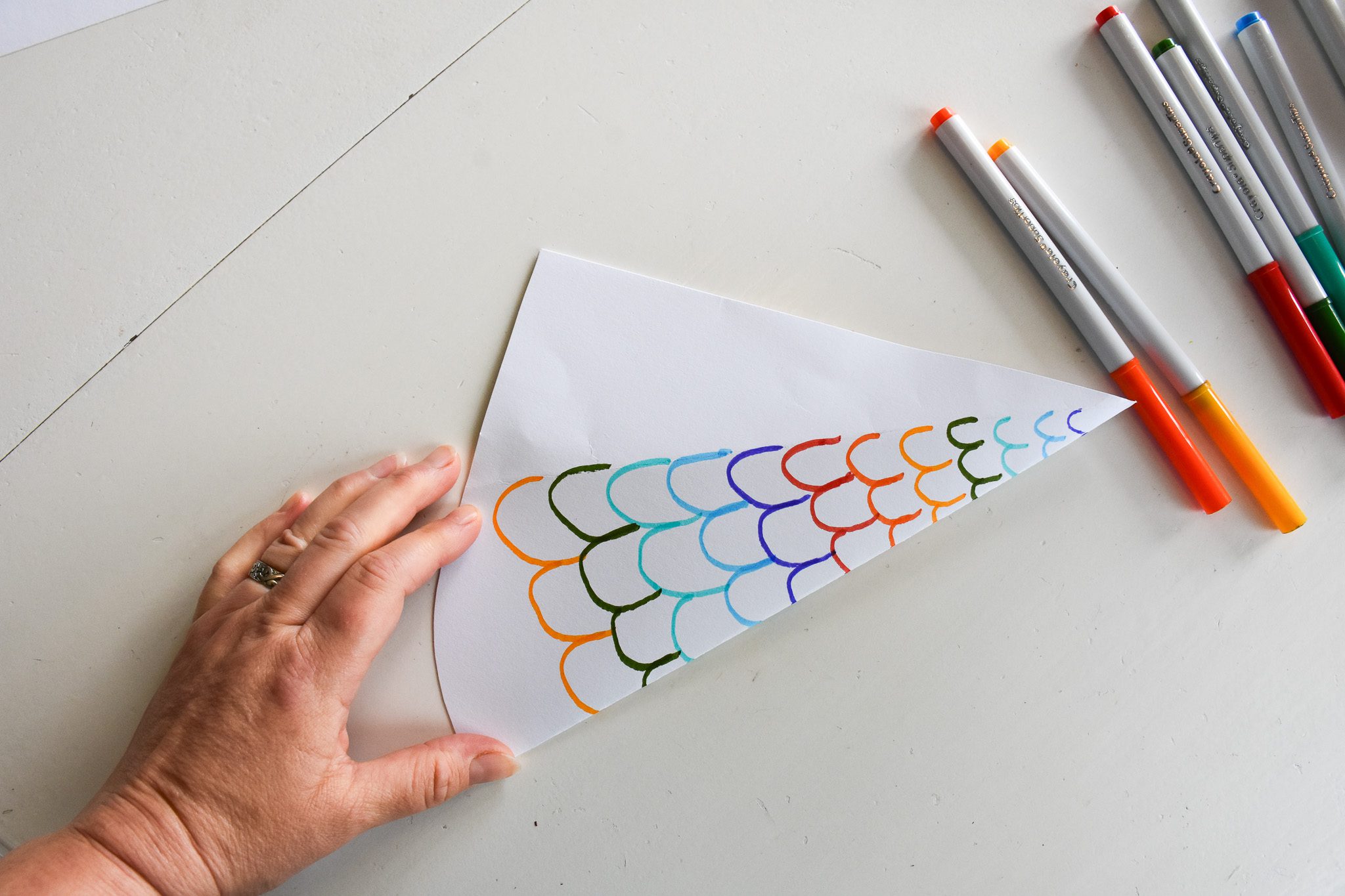
Fold it in half down the middle again.
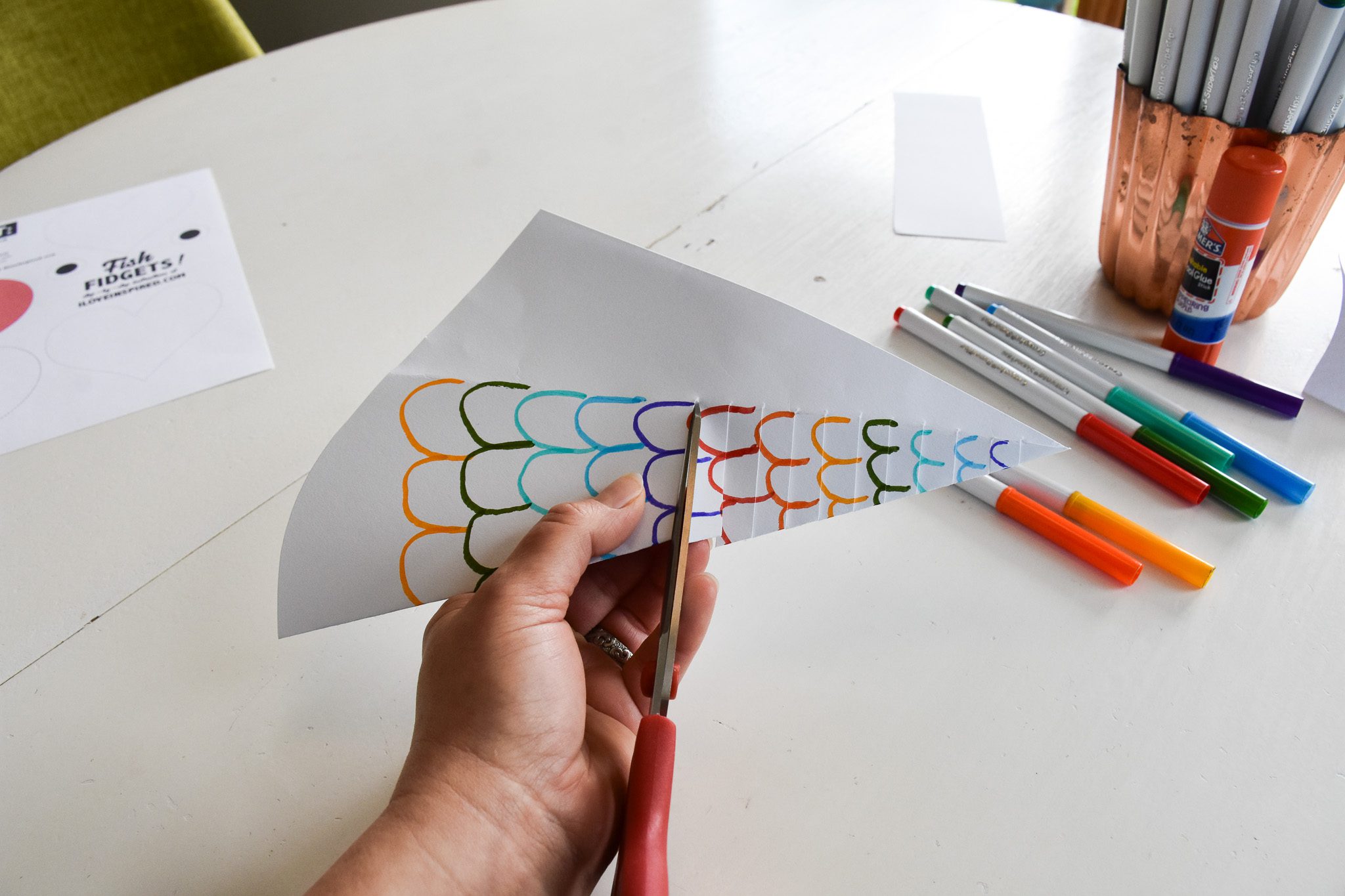
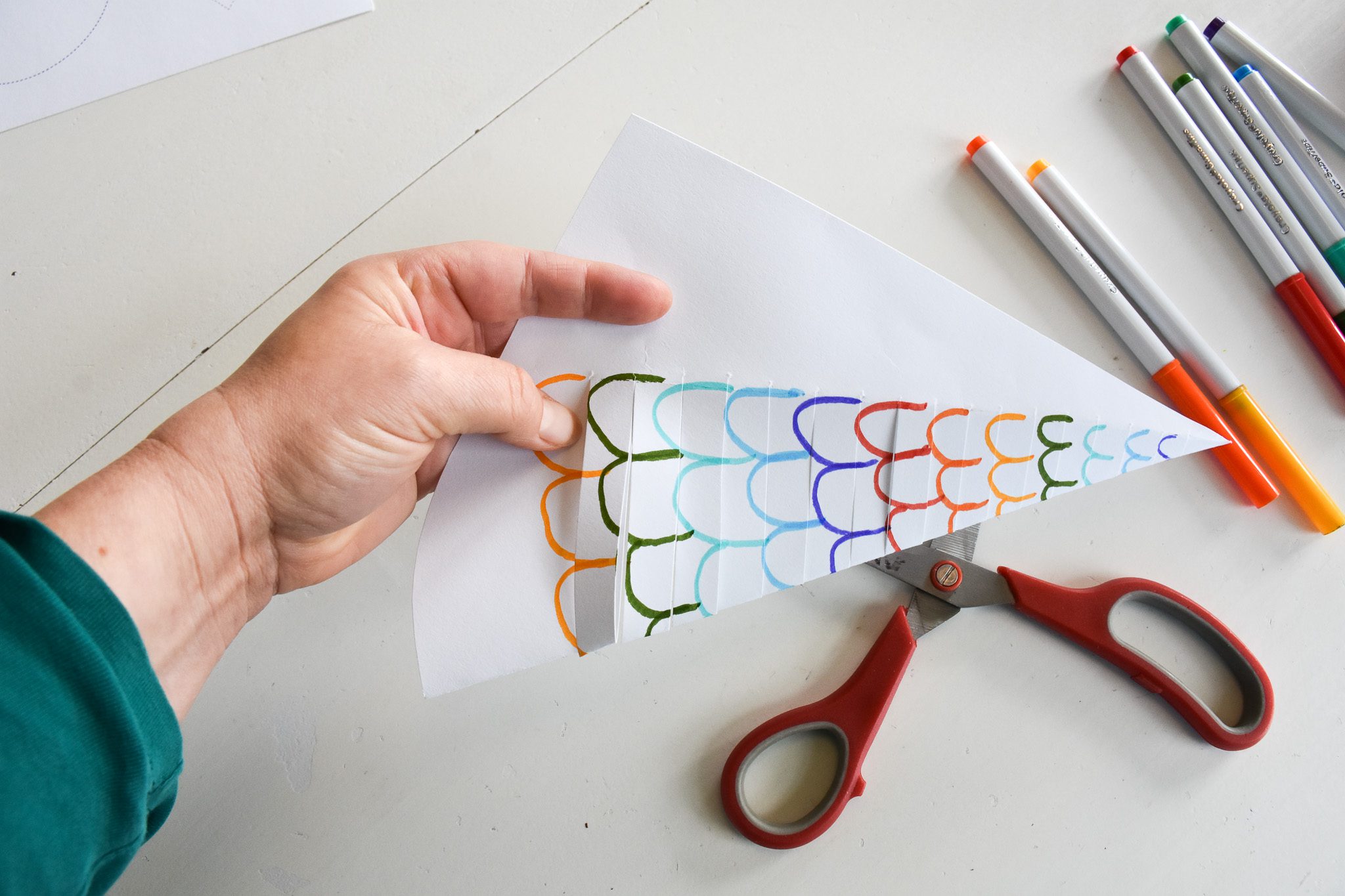
Grab your scissors and cut lines straight across the decorated section (while it’s folded). Make sure your cut goes right to the fold line (this will help the fidget move better). Space the cuts every 1/3 to 1/2 inch or so.
End the cuts with room for the fish face.
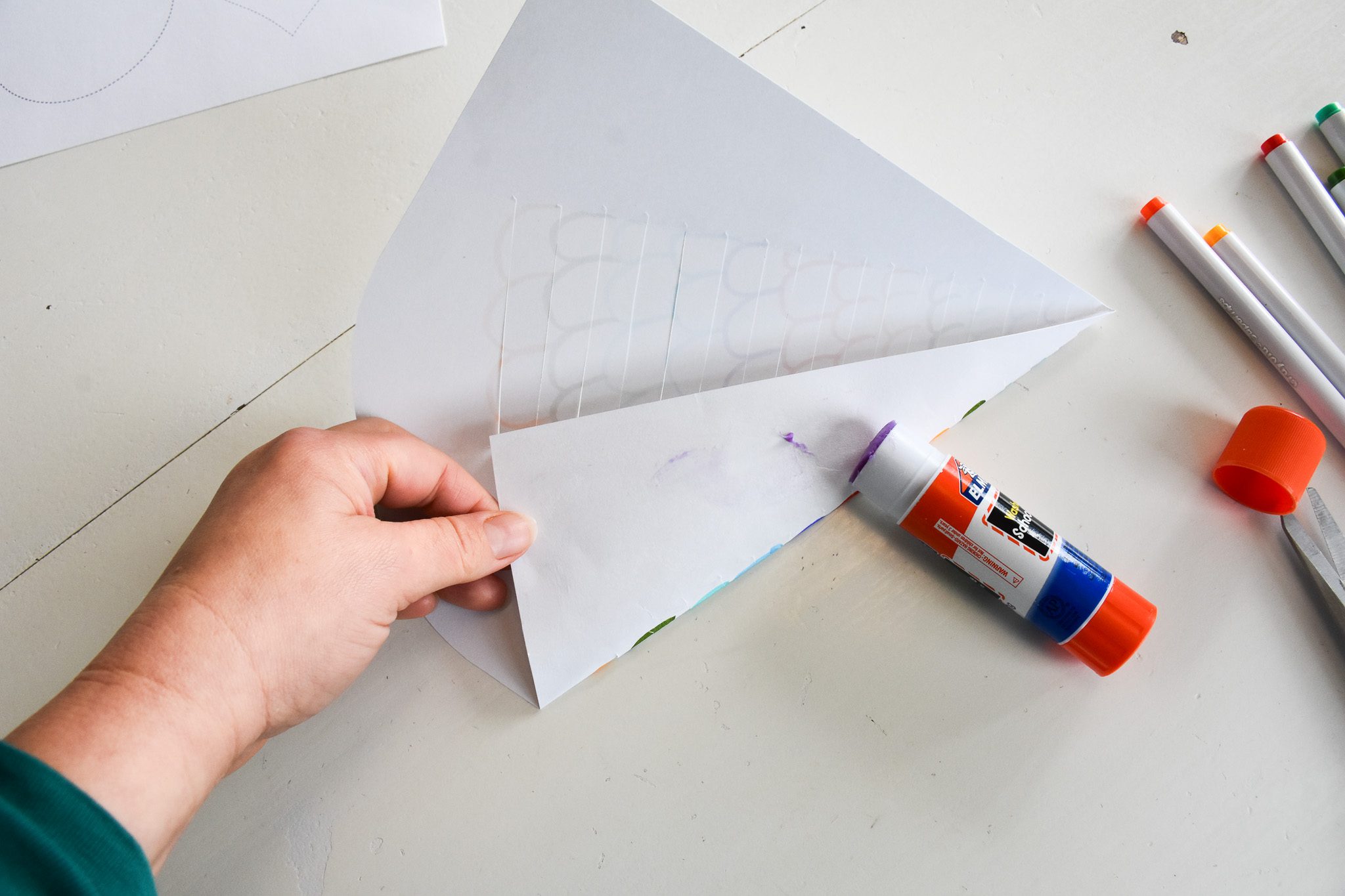
Grab your glue stick and glue the inside flaps of the fish.
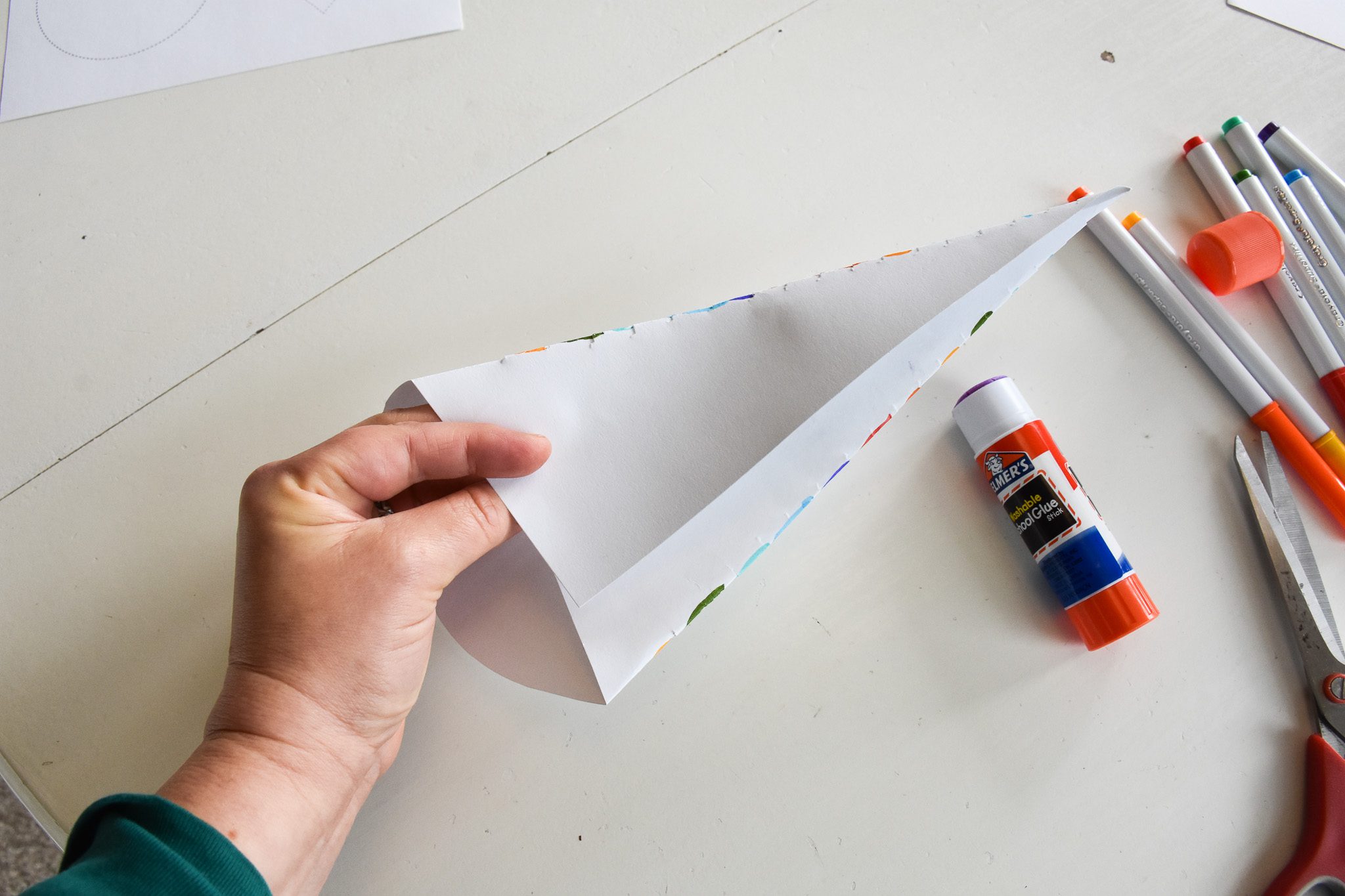
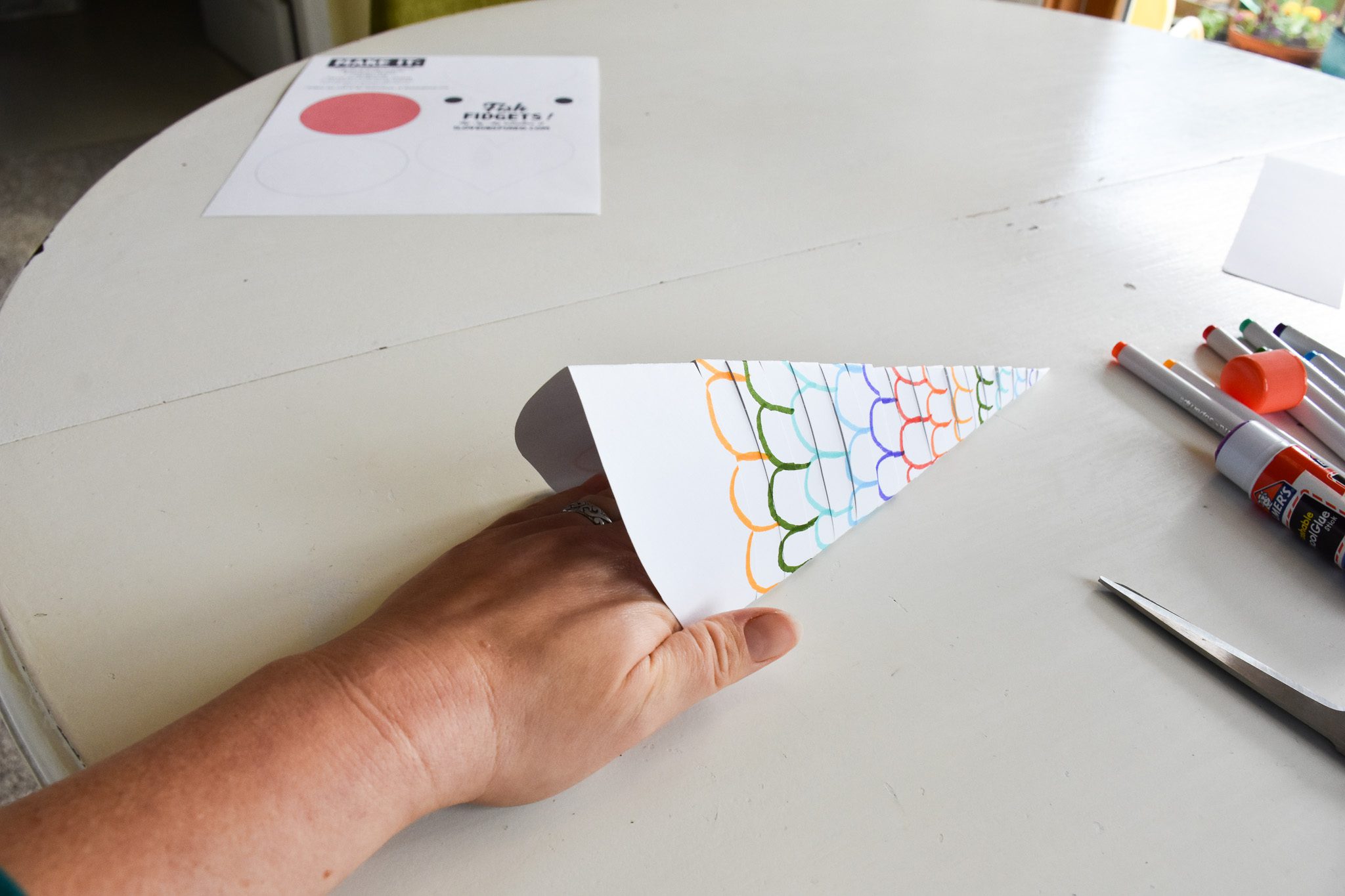
Fold the outside flap onto the inside flap, and press them together.
Hold it down for a bit so you know the glue has set.
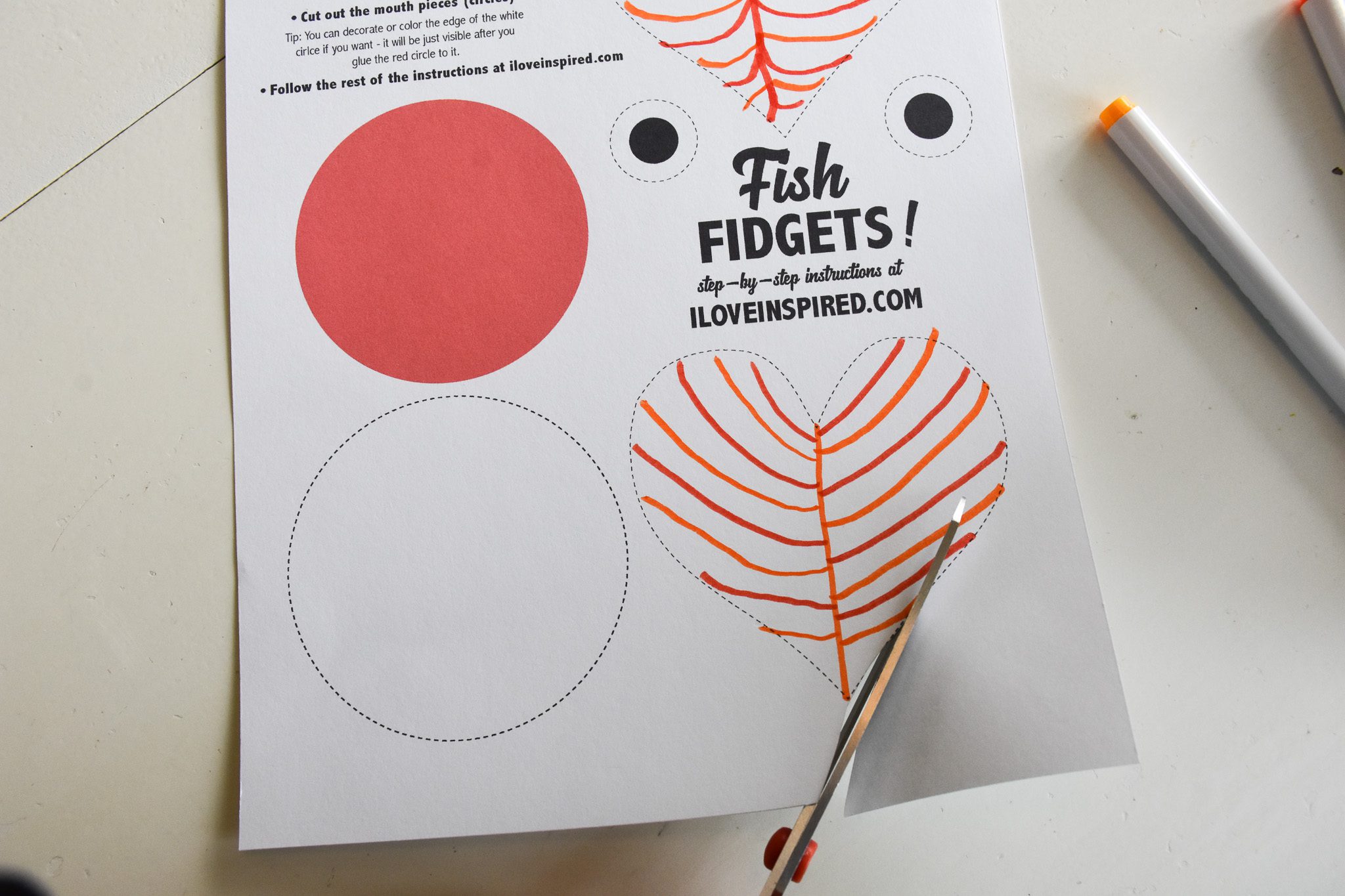
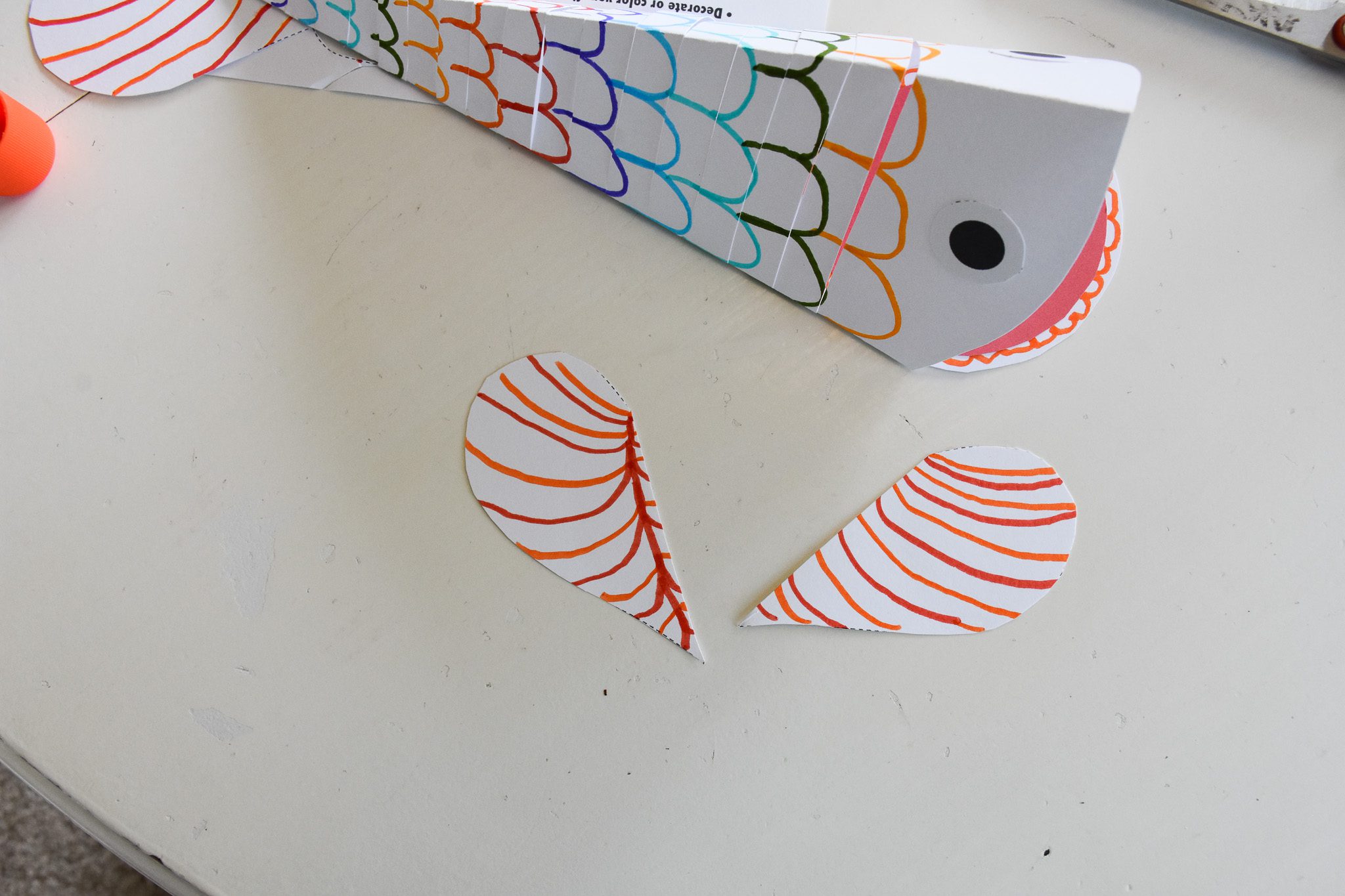
Decorate the hearts and edge of the fish fidget parts from our template page. One heart will be the tail, and one will be the fins (you’ll cut it in half).
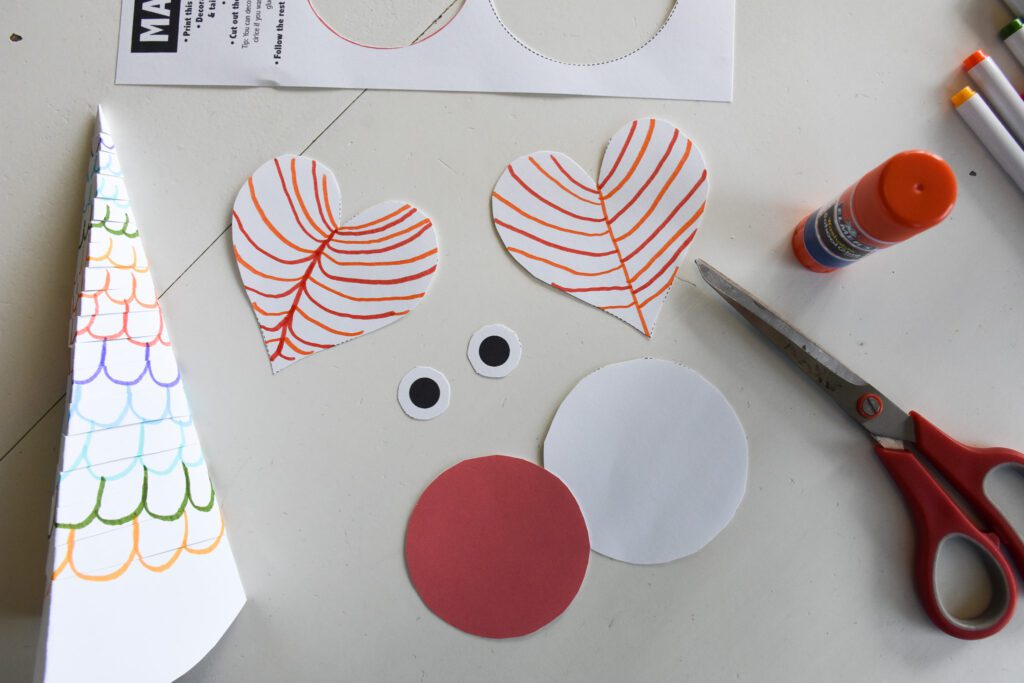
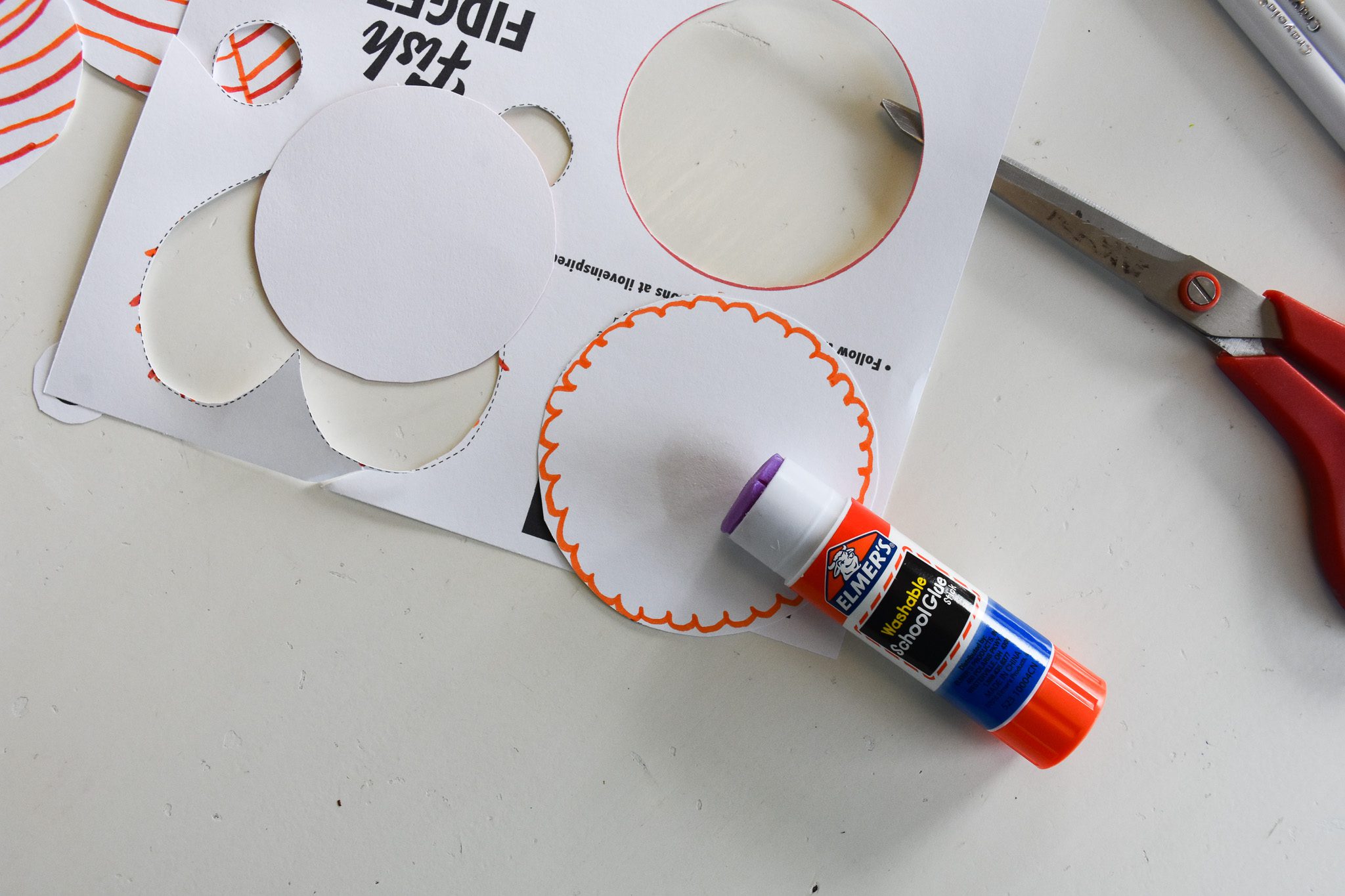
Cut out the shapes (including the red circle and the eyes). Note: I didn’t decorate the edge of the mouth circle until I was ready to glue them together.
Here are your parts!
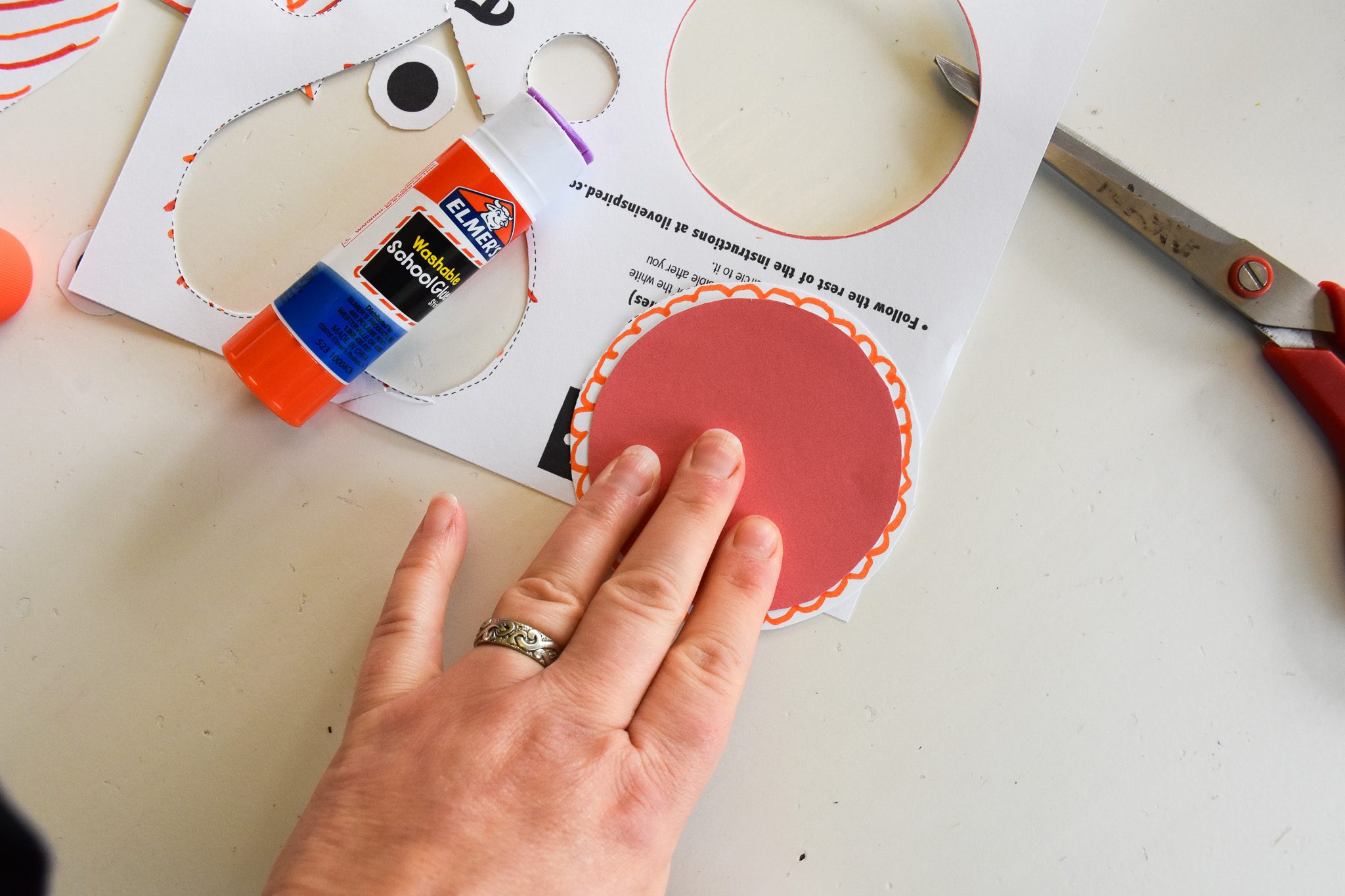
Here are the little decorations I added to my fish mouth. This is optional, obviously, but I found they looked like teeth when the project was finished. Put glue on the inner area of the circle, and stick the red circle on top.
This will be the inside part of the mouth.
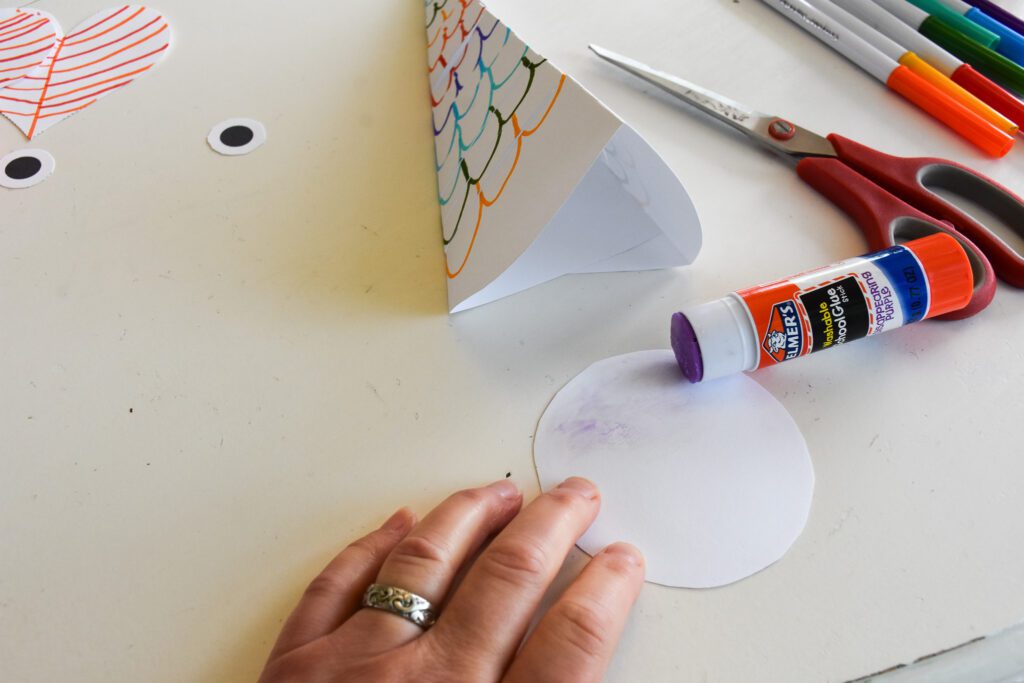
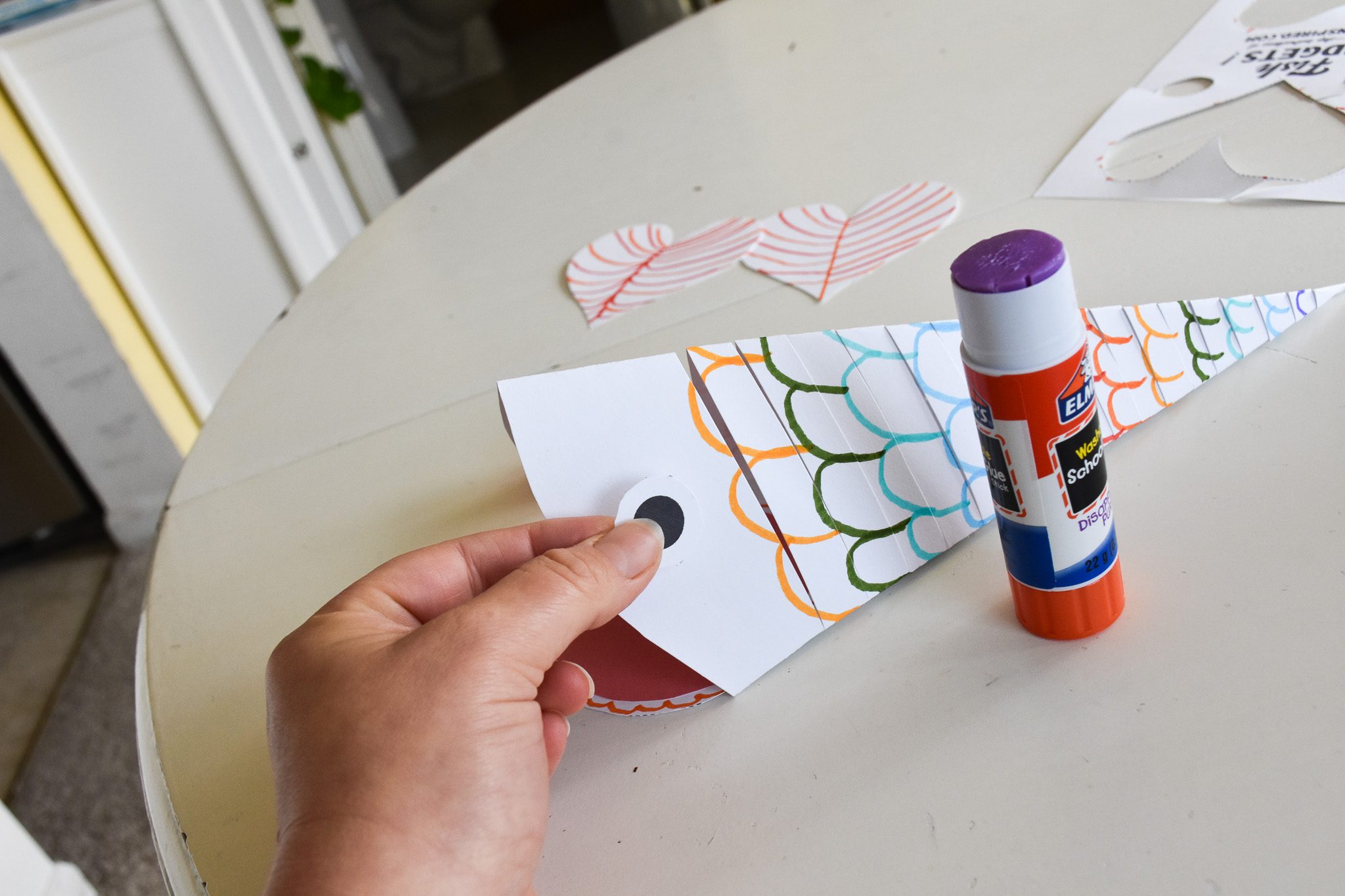
Flip the mouth part over, and put glue on half of the circle (this will go into the fish body).
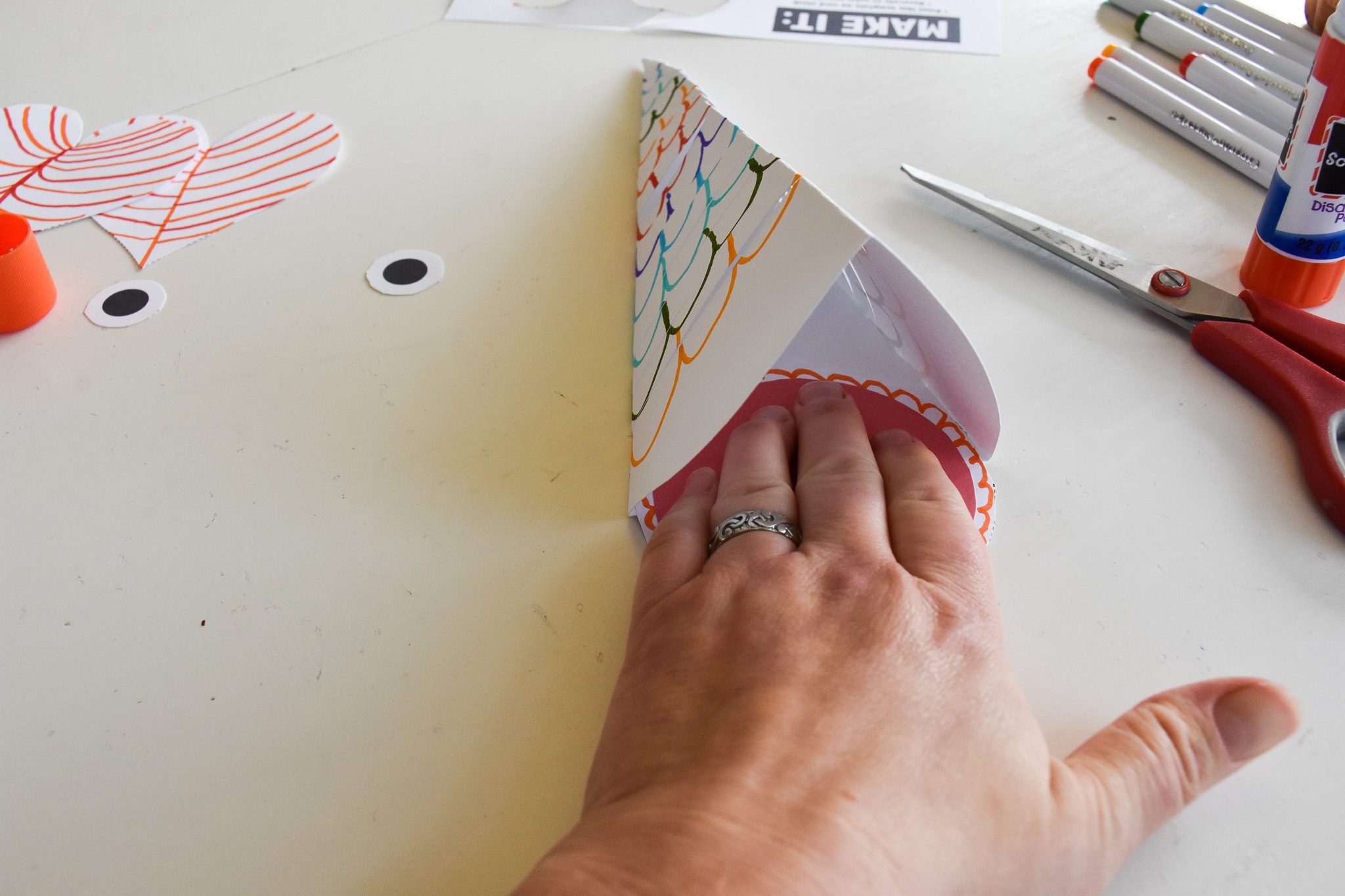
Press the mouth piece down into the fish body and hold for a bit so the glue can set.
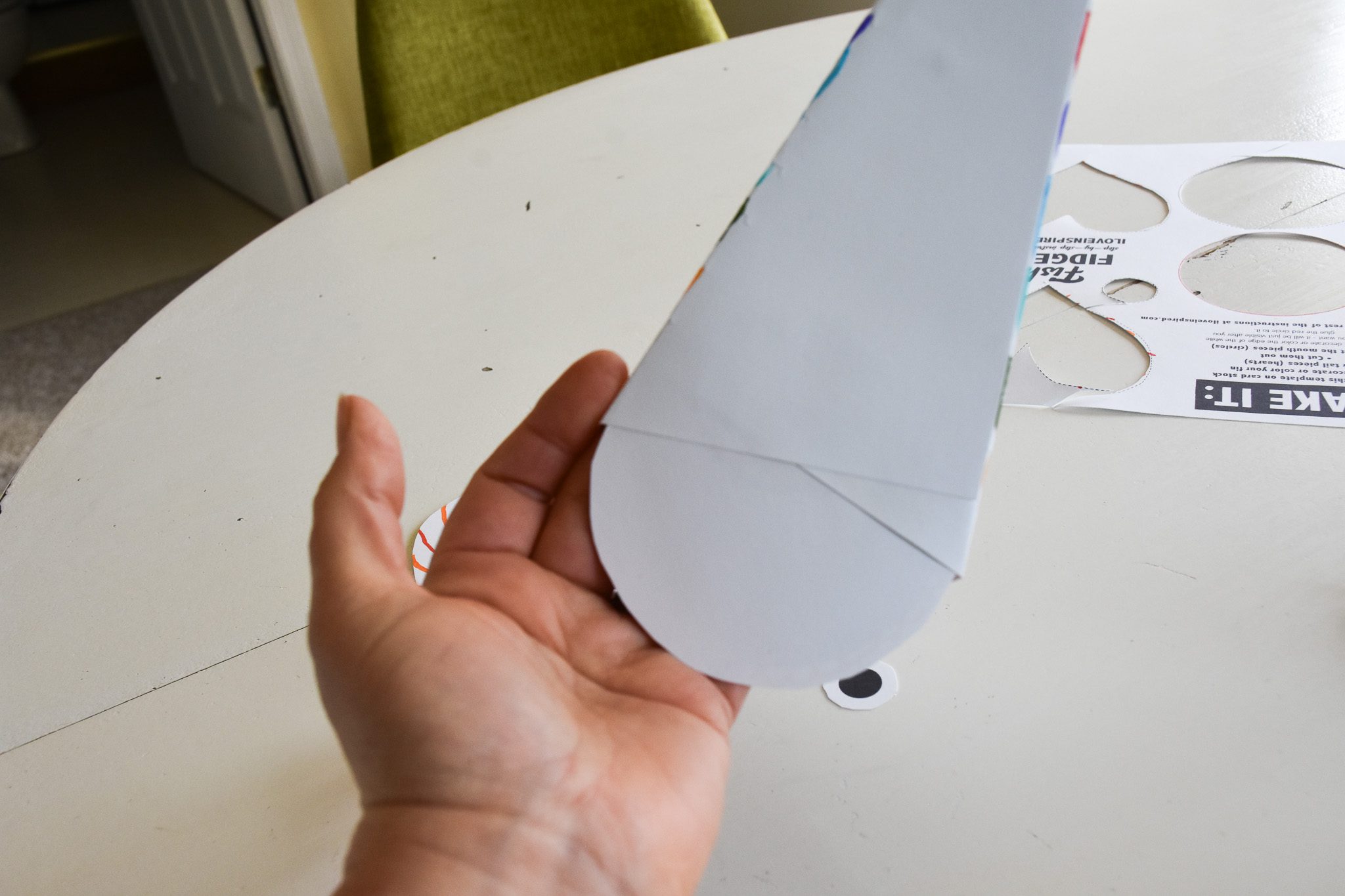
The mouth will stick out of the body just a bit.
Glue the eyes on each side.
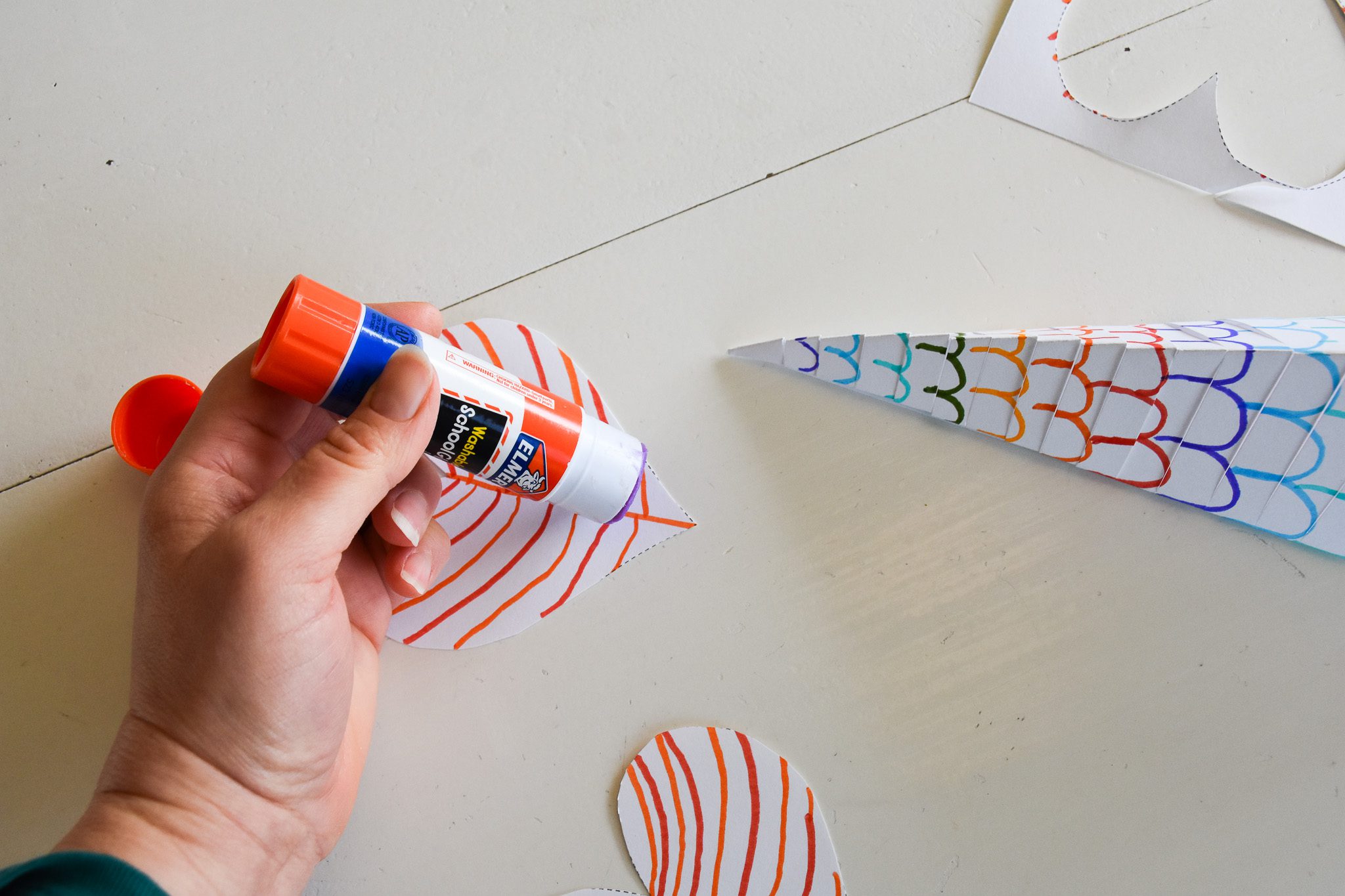
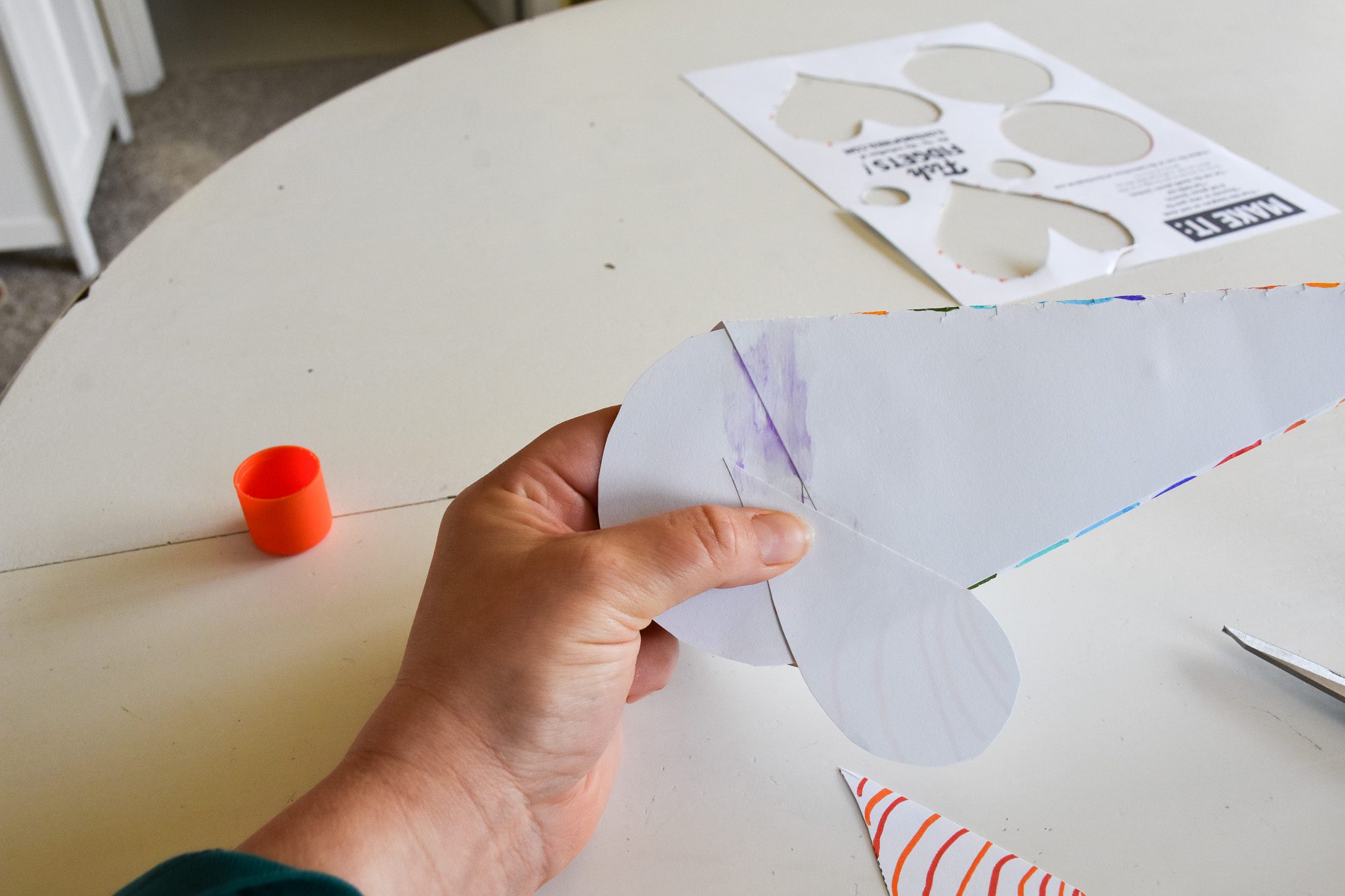
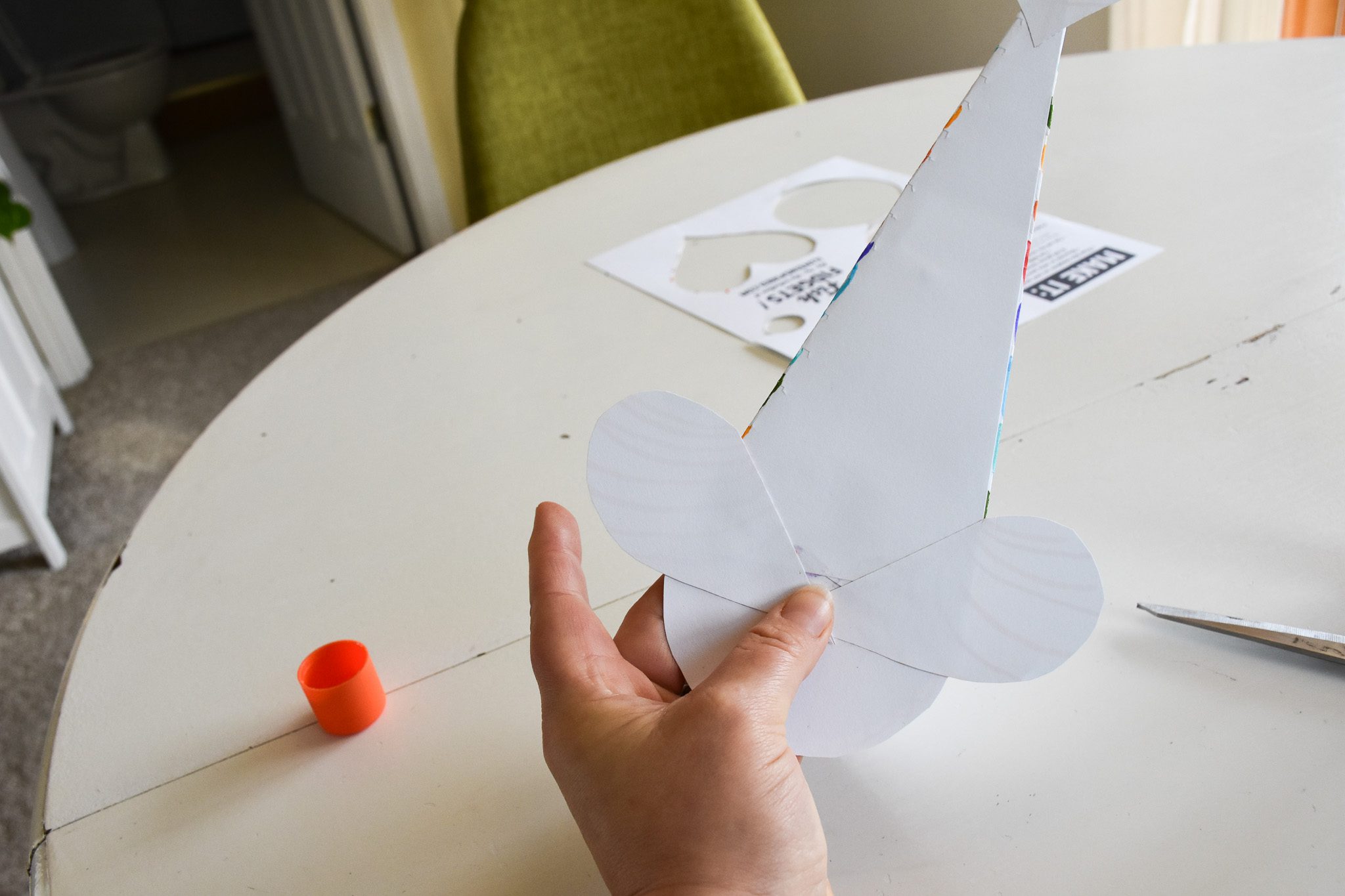
Pick which heart you want to make the tail, and put glue on the tip. Add some glue to just a bit of the tail too (but not too much, because you want as much of the cut parts of the body unhindered as possible, so it will move nicely).
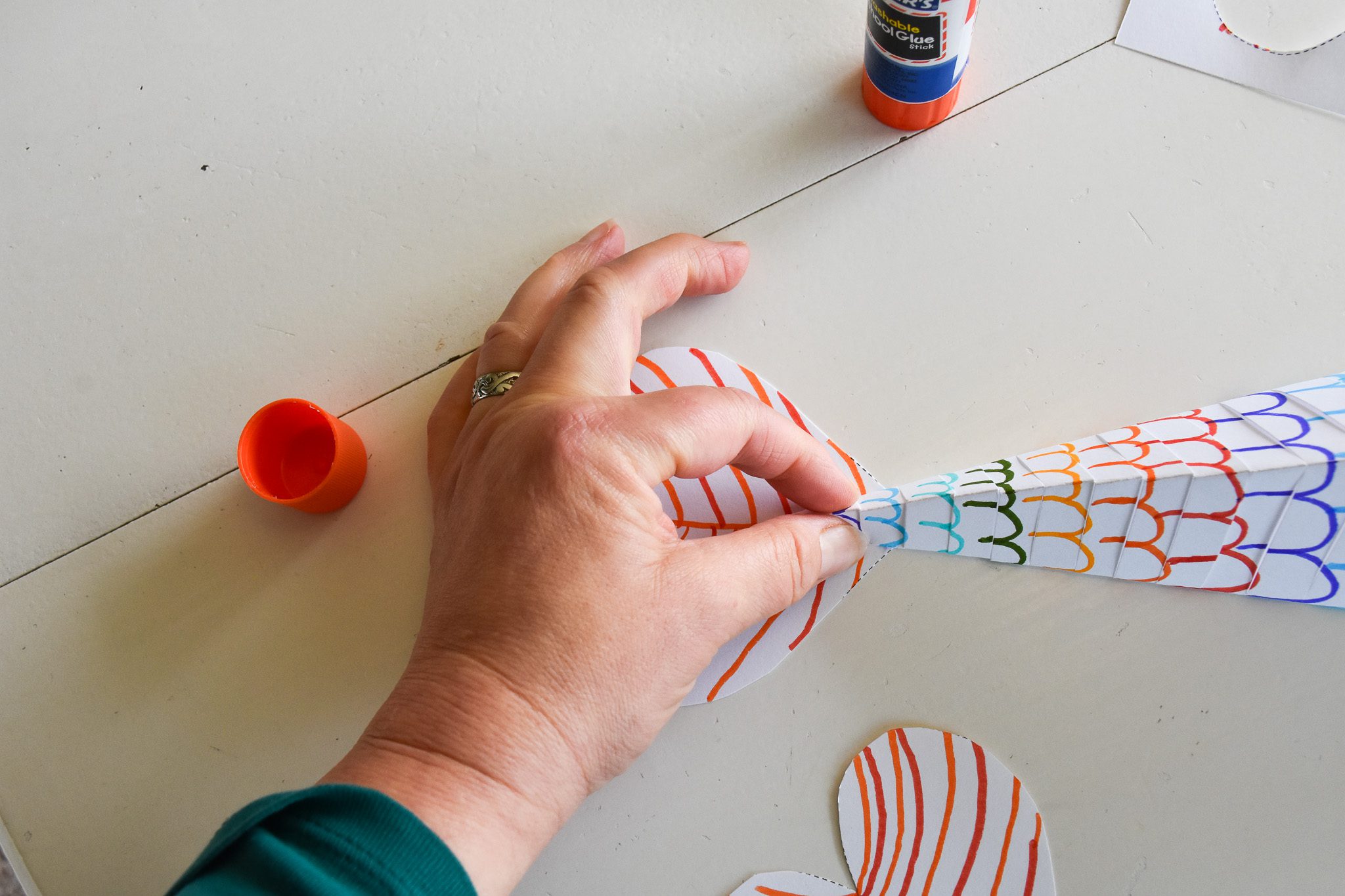
Attach the body to the tail fin and press down.
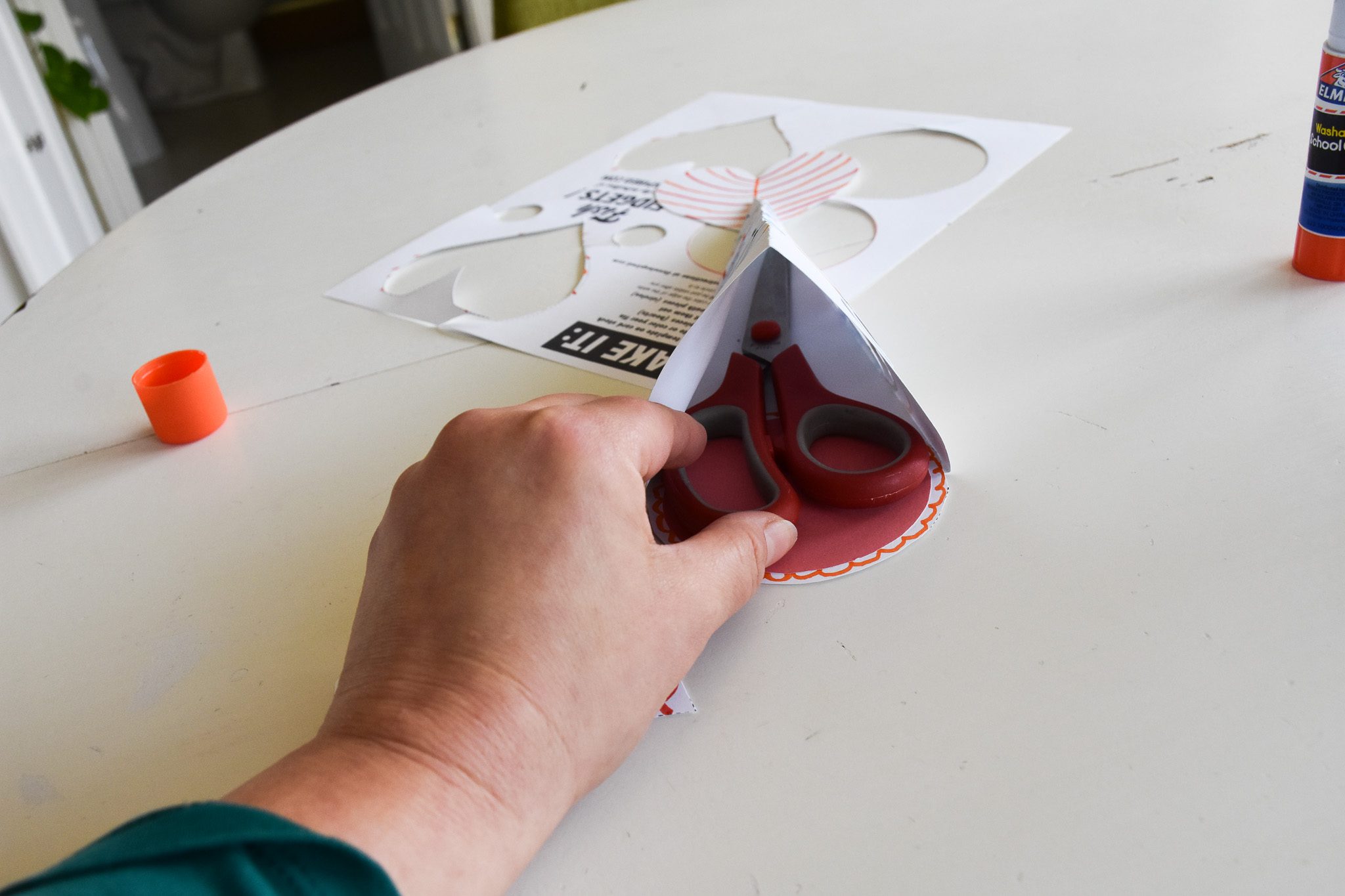
I used my scissors to press the end down even more.
Cut the other heart in half.
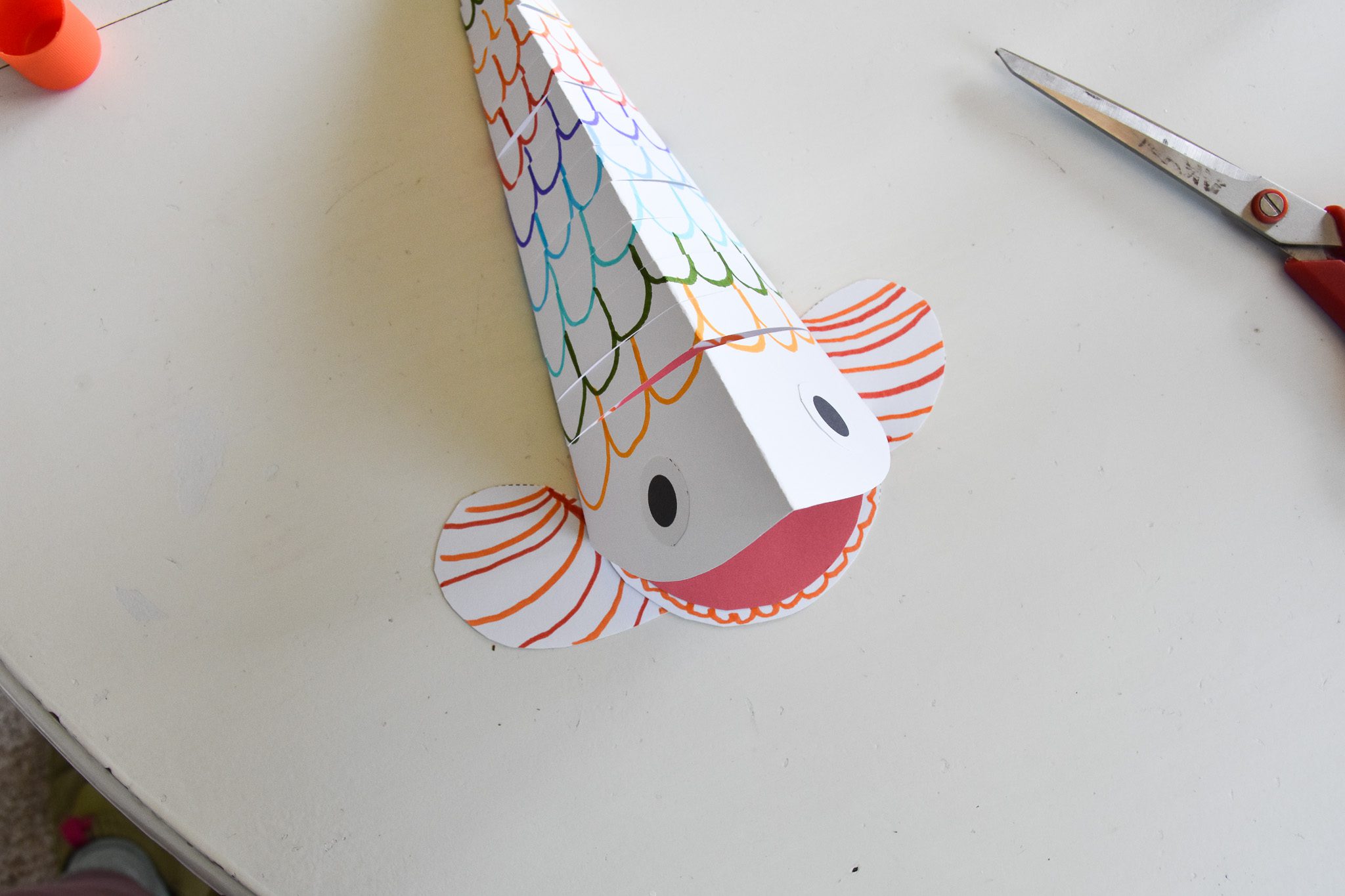
Position the side fins toward the head (again, to leave as much of the body free as possible).
Glue both side fins in place.
Hold in place for a bit so the glue can set.
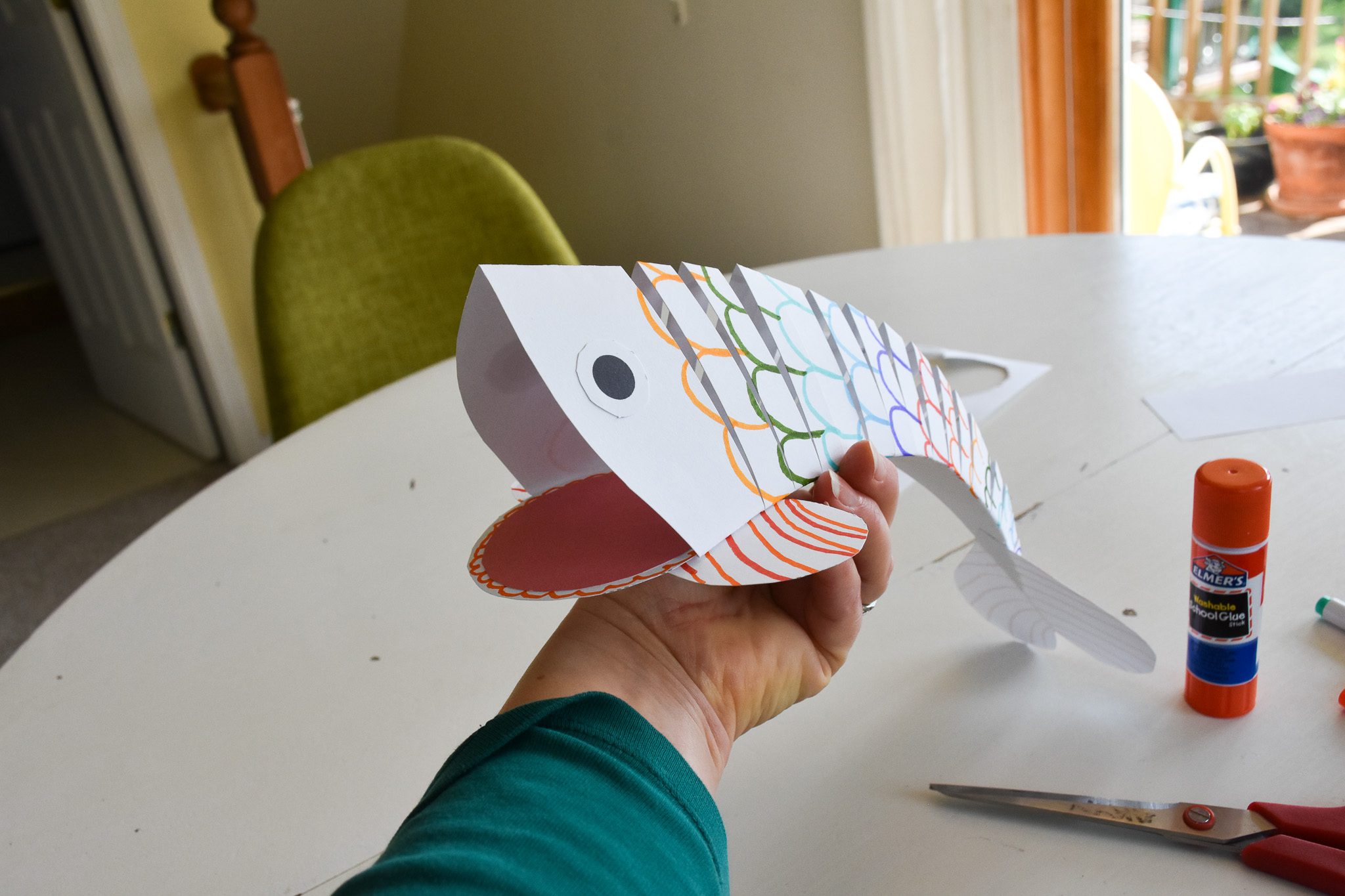
Now your fish is done! Hold the head and the tail, moving them up and down, and watch it move like a slinky!
If you’ve ever caught a sturgeon in the Mississippi River or seen a Mudpuppy salamander swim by, chances are it was born nearby at the Genoa National Fish Hatchery. But these critters don’t just raise themselves all on their own – between federal employees, many volunteers, and local students, it truly takes a village to ensure our waterways and aquatic habitats remain active and healthy.
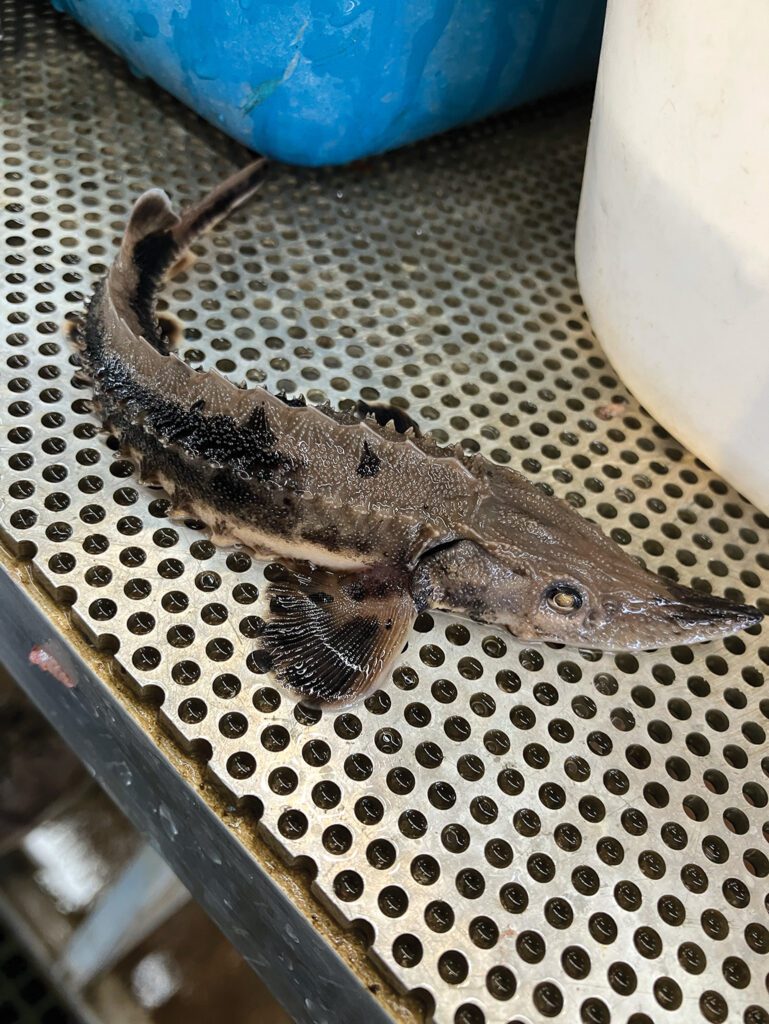
Lake Sturgeon is one of the species raised at the Genoa Fish Hatchery. / Photo by Paul Nichols
Tucked along the river in Genoa, Wisconsin, the Genoa National Fish Hatchery is one of just 71 federal hatcheries managed by the U.S. Fish and Wildlife Service. These specialized facilities maintain a controlled environment in which to breed, hatch, rear, and distribute various aquatic creatures, in an effort to aid the recovery of threatened or endangered species and to support recreational fishing opportunities. The Genoa Hatchery, authorized under the Upper Mississippi Wildlife and Fish Act of 1924 and constructed throughout the 1930s, has been working to serve that mission ever since.
“They help a lot of species that are in trouble – and not just fish, but dragonflies and some really strange creatures,” says Paul Nichols, a frequent volunteer at the hatchery. “Not too long ago, Lake Sturgeon were nearly fished to extinction. Thanks to the Genoa hatchery, the population is consistently growing and all of us lifelong fishers can pass down the joy of fishing to our children and grandchildren.”
Volunteers (Paul Nichols at right) tagging Lake Sturgeon at Genoa NFH. / Photo credit: USFWS
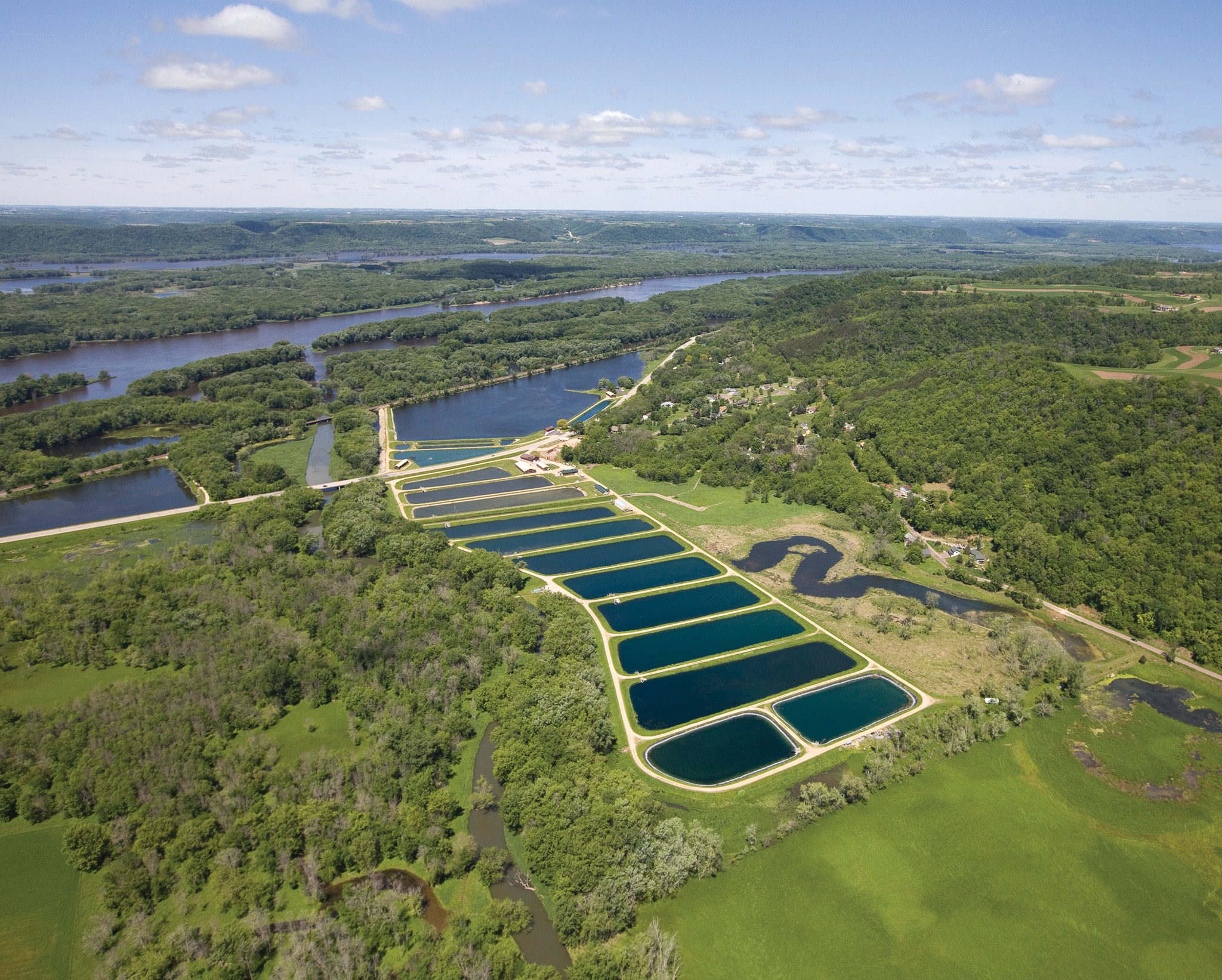
The hatchery is uniquely positioned in an area that allows for a wide array of different rearing environments, making it one of the most diverse facilities of its kind in the United States. It is also the only hatchery to operate entirely within a National Wildlife Refuge. Operating on more than 200 acres, with 20 ponds and seven intensive rearing buildings, Genoa currently raises 15 species of cold, cool, and warm water fish, 15 species of freshwater mussels, the Hine’s Emerald Dragonfly (an Endangered Aquatic Insect), and Mudpuppies – a species of Salamander that serves as a host for Salamander Mussels.
Freshwater mussels are one of nature’s greatest filtration systems, working hard to filter and improve water quality, which helps protect many aquatic ecosystems. Sadly, many species of freshwater mussels are considered endangered, so hatcheries are working hard to restore their populations. But mussels can’t reproduce on their own – they need a third-party host to complete the cycle. Mudpuppy Salamanders help the Salamander Mussels’ larvae finish their metamorphosis, by allowing the larvae to attach to their external gills until they’re old enough to get to work protecting our waterways! The Mudpuppy Salamander species raised at Genoa leave the facility at various stages of development and are distributed widely across the country.
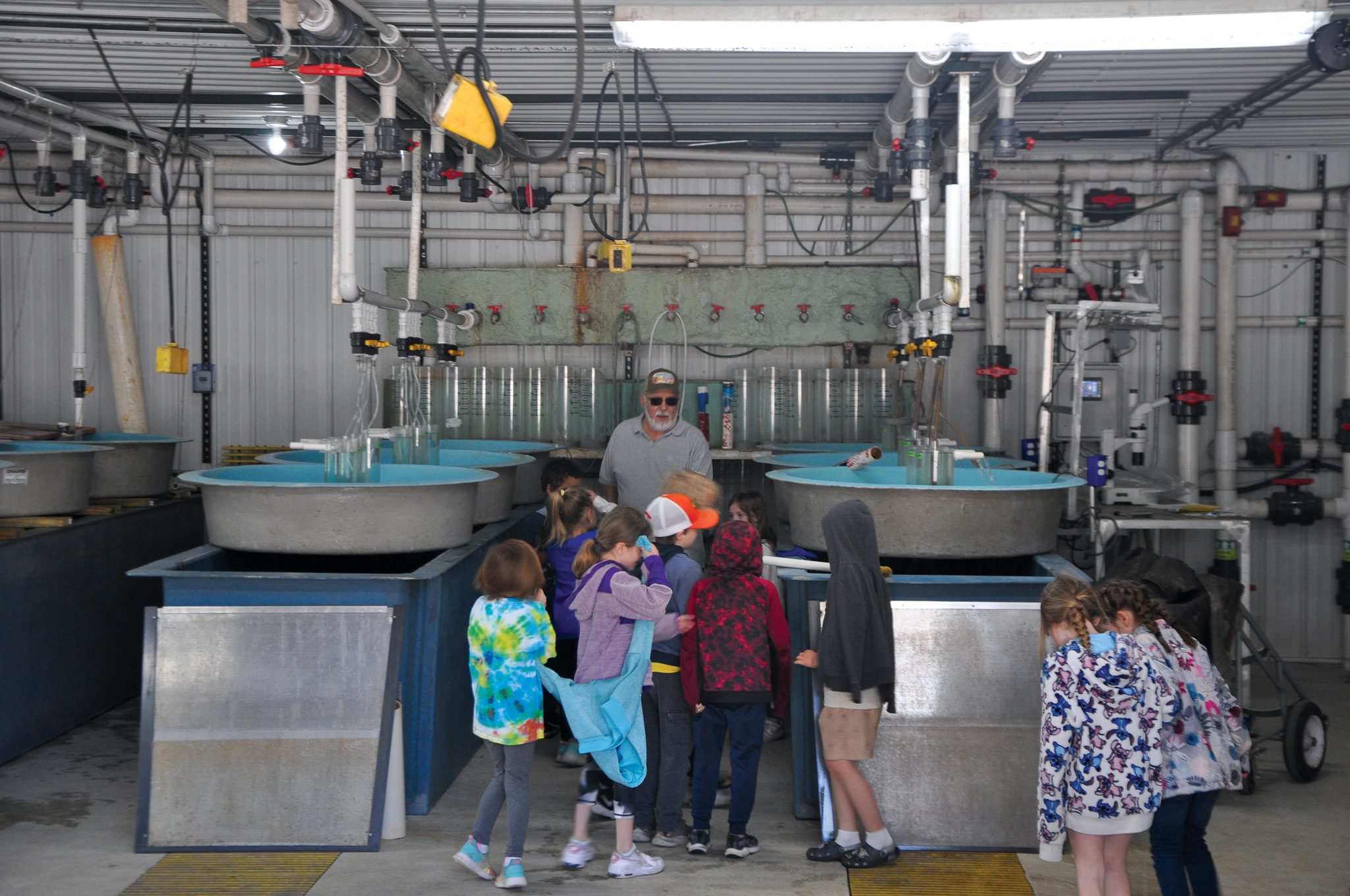
Volunteer giving a guided tour with a school group on the hatchery grounds. Photo credit: USFWS.
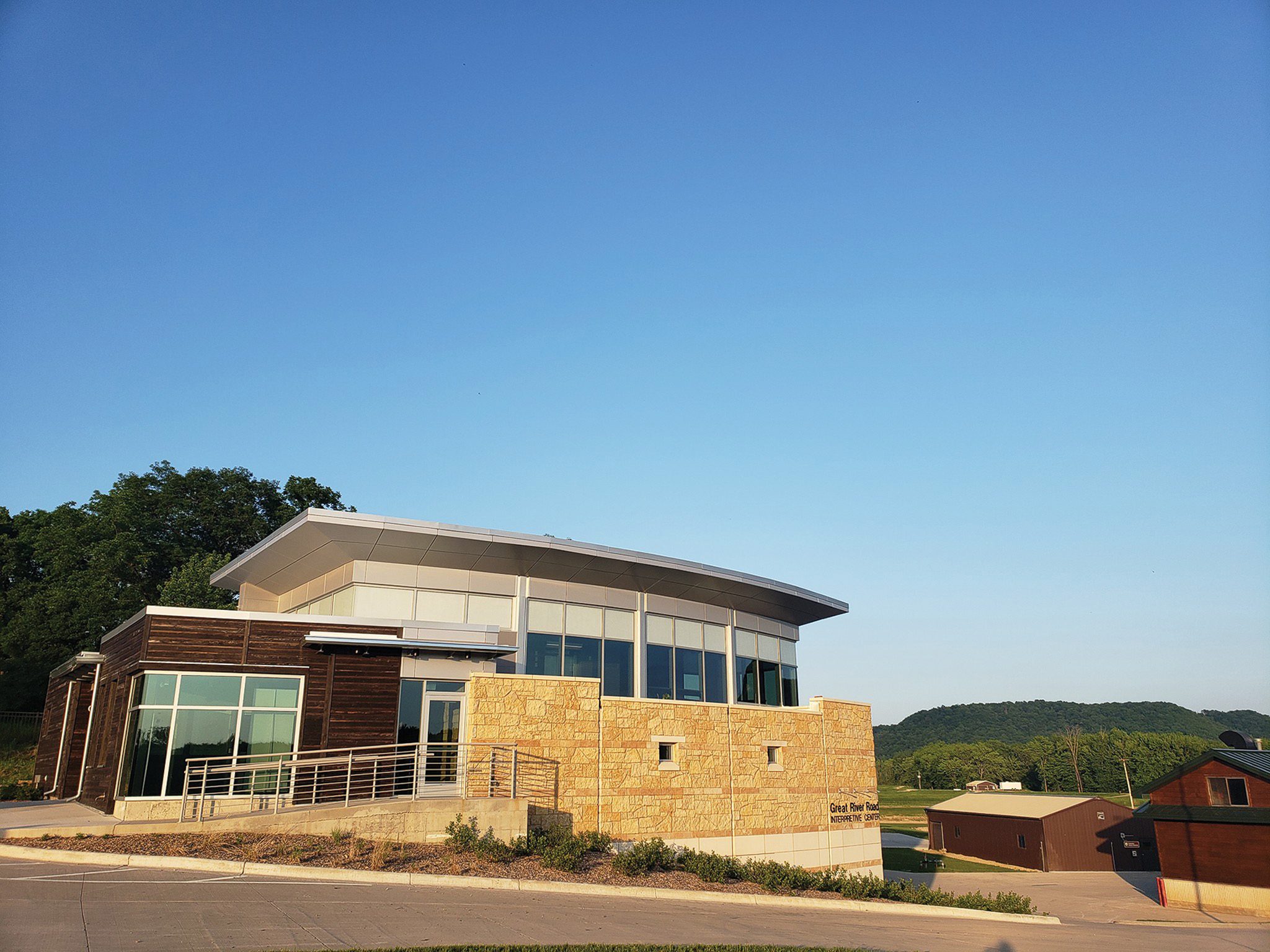
Young minds are growing and evolving among the many ponds and rolling plains of the hatchery as well. Thanks to its thriving volunteer and educational programs and the on-site Great River Road Interpretive Center, funded through a National Scenic Byways Grant in 2010, the Genoa hatchery provides access to information and experiences that help kids and adults alike better understand and appreciate the land and water around them.
“Genoa stands out from other hatcheries due to the wide variety of species we raise here, but also due to our high level of community engagement,” says Erica Rasmussen, Environmental Education Specialist and Volunteer Coordinator at the Genoa hatchery. “Our volunteers and school groups are not only learning about the work hatcheries do to support the environment, but are integral players in that work, making a tangible impact every day.”
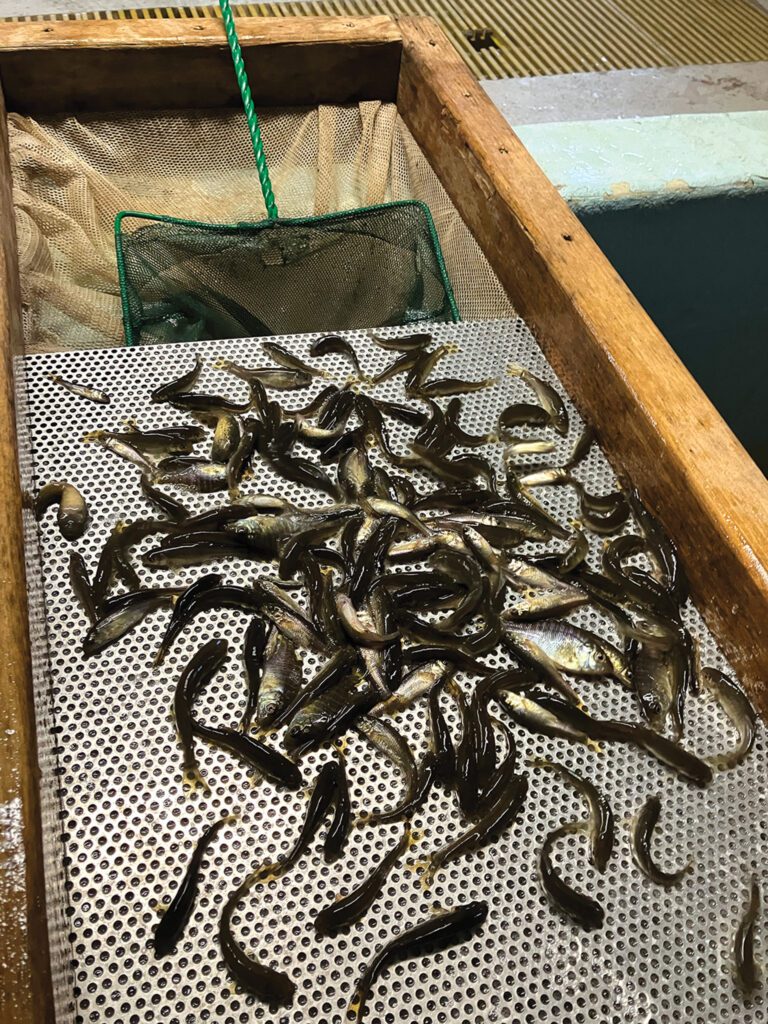
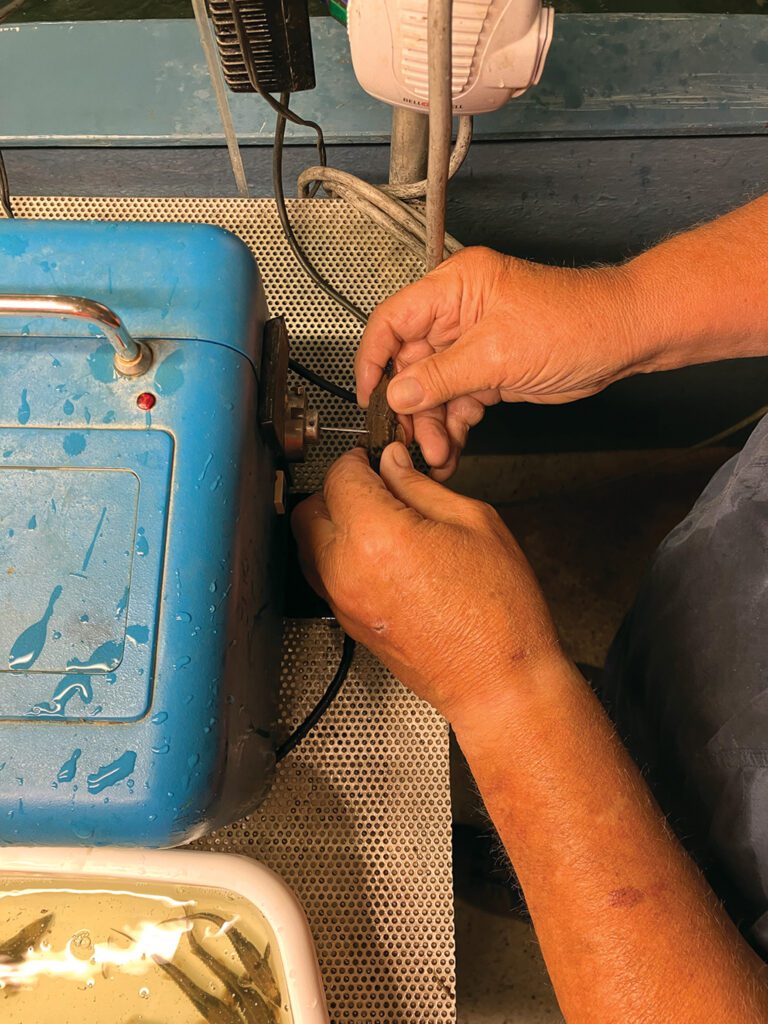
Sorting minnows at the hatchery. / Photo by Paul Nichols
Before joining the Genoa Fish Hatchery five years ago, Erica was an educator for the La Crosse School District. There, she led many outdoor education programs and always looked forward to introducing the students to the area’s National Fish Hatchery system.
“I’ve watched many students catch their first fish here at our hatchery, and have seen visitors light up after discovering a new fact,” says Erica, whose work at the Genoa hatchery includes creating programs, tours, and events for all ages. “It’s really special to be a part of.”
Erica also coordinates the hatchery’s volunteer program, engaging more than 250 people annually to complete tasks like sorting minnows, repairing mussel cages, helping maintain the pollinator garden, and more. No matter the season, there’s something to do.
In the spring and summer, there are fish to be fed and cared for. By fall, many species – like Lake Sturgeon – need to be tagged with a tracker before being released to their stocking locations.
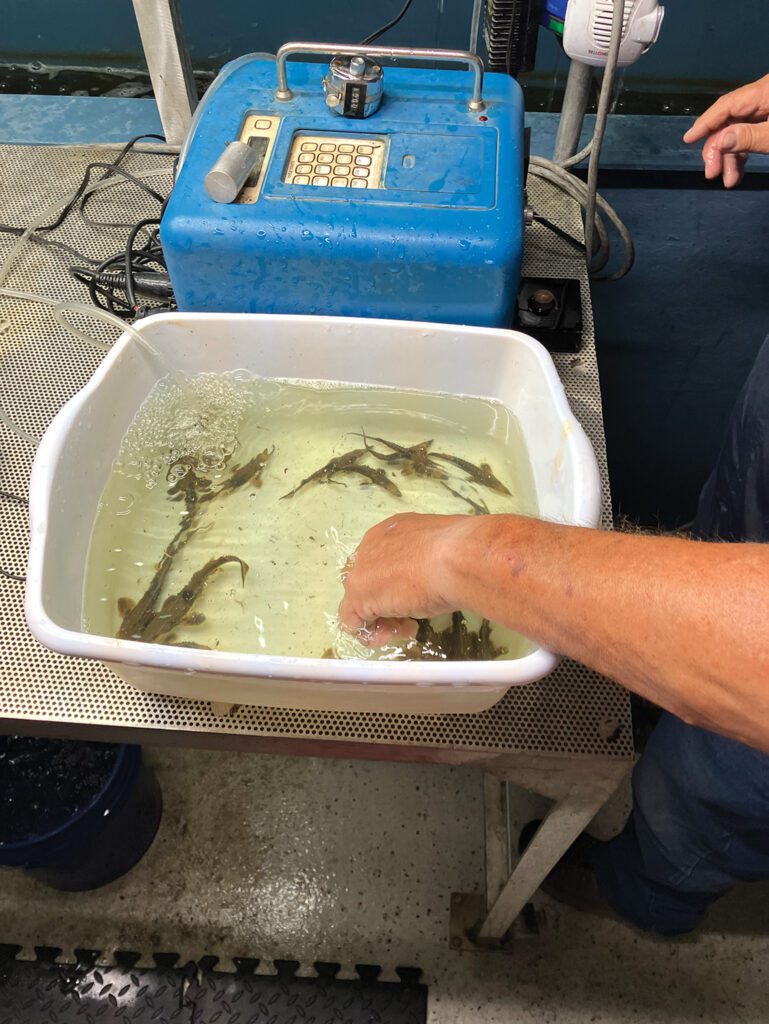
Tagging sturgeon allows resource managers to assess future population growth, measure survival rates, and track travel patterns.
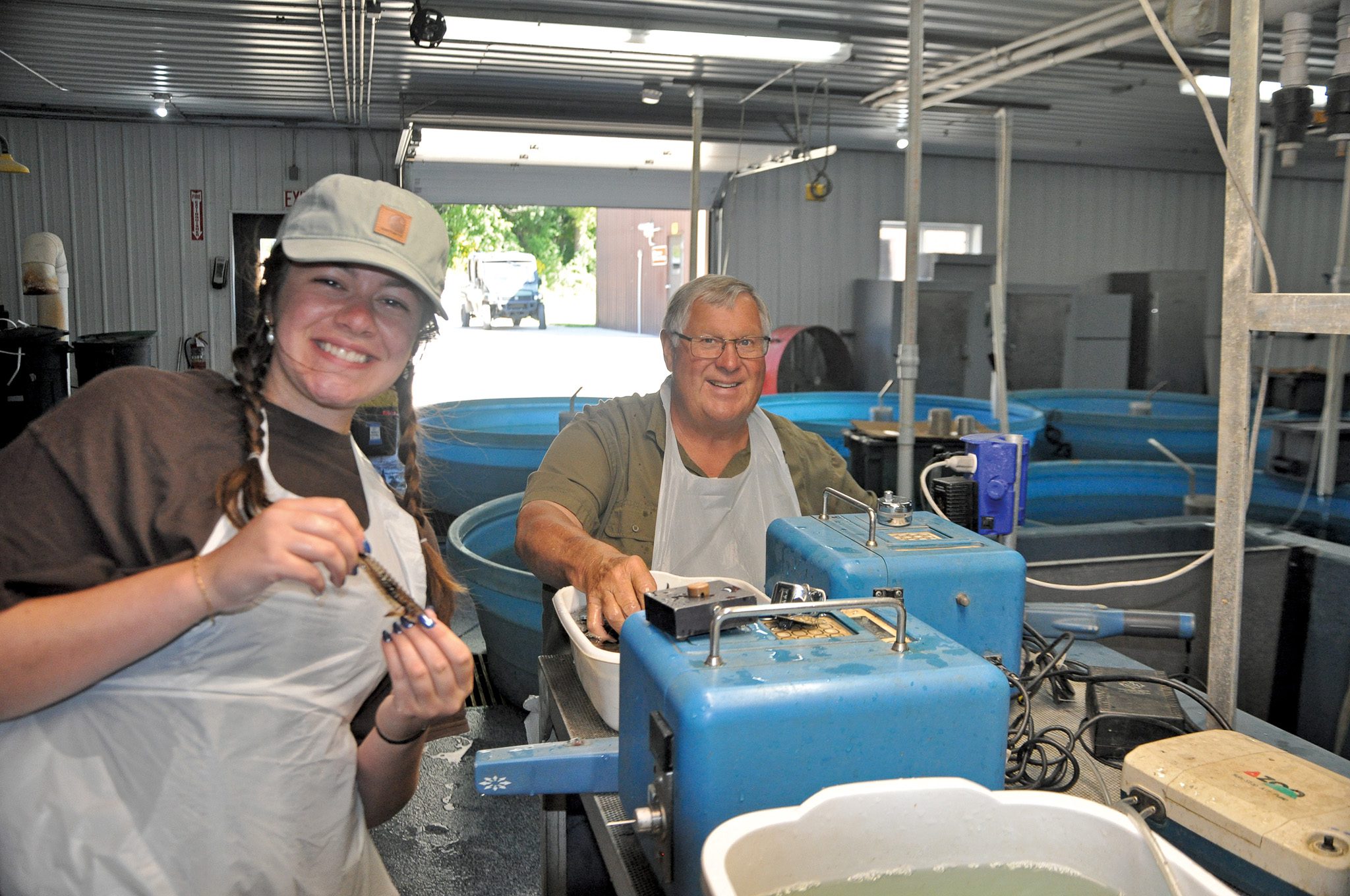
Lake Sturgeon go through various stages as they get tagged and ready to be released into the wild.
/ Photos by Paul Nichols
“Sturgeon tagging is one of my favorite tasks,” says Paul. “I get a good system going, enjoy the peacefulness of my beautiful surroundings, and know I’m contributing to important research that will keep sturgeon populations alive and well.”
Volunteers can also employ their enthusiasm to help staff the visitor center and gift shop, do grounds work, and assist with outreach events.
“My wife works in the gift shop, but that wasn’t really my cup of tea, so I started giving tours and helping out with the kid’s fishing events,” says Dan Elliot, a long-term volunteer whose property sits right next door to the hatchery.
During the week, Dan helps out with group tours, school outreach events, and drop-in visits. Technically, the hatchery isn’t open for guided tours on the weekend, but that doesn’t stop Dan!
“Sometimes, I volunteer my time on the weekends to give guided tours outside of regular working hours,” he adds with a chuckle. “Not everyone can make it out here during the week, and I don’t want them to miss out!”
Many long-term volunteers got their start by attending one of the hatchery’s community engagement events, such as an environmental education day, a kid’s fishing day, or simply a guided tour of the Interpretive Center. At this incredible educational resource, visitors gain a deeper understanding of what, exactly, a National Hatchery does, while learning a slew of interesting facts about fish, mussels, dragonflies, and local history.
The Great River Road Interpretive Center at the Genoa National Fish Hatchery. / Photo courtesy GNFH Facebook
Visitors start by viewing an eight-minute film highlighting the backwaters of the Mississippi River. Then, they head downstairs to engage with exhibits about the final battle of the Black Hawk War, the river trade, and the history of the hatchery. There is also an opportunity to explore the 16,000-gallon river tank!
Visitors travel from all over the world to tour the hatchery, feed the fish, hold a live Lake Sturgeon, and play a part in restoring populations that are vital to the environment.
“Recently,” recalls Erica, “there was a family passing through town on a road trip that stopped to tour the hatchery. They noticed Sturgeon Tagging on a list of volunteer opportunities and asked if that was something they’d be able to do right then. They helped us tag for an hour or two, then continued on their journey!”
A single visit can have a huge impact – one that keeps many volunteers returning time and time again.
“I learn something new just about every time I come,” adds Dan. “This doesn’t feel like volunteer work – it helps me feel useful and connects me with the community.”
Clara Wodny is a 2025 graduate of Luther College, where she fell in love with the Driftless while studying English and Visual Communications. Currently residing up north in her hometown of Duluth, MN, she is a freelance writer and artist, specializing in pottery and printmaking.
Plan a Visit!
Visit the Genoa National Fish Hatchery. Located on both sides of the Great River Road Scenic Byway, also known as State Highway 35, three miles south of Genoa, Wisconsin. The office is on the west side of the highway, at fire route number S 5631.
The hatchery provides a great stop along one of the nation’s greatest scenic highways. To get involved and make your own positive mark on the environment, start by joining a tour or by calling (608) 689-2605. Find more information online, at fws.gov/fish-hatchery/genoa